Last updated July 2026, this guide covers everything worth knowing about Mad Cool Festival Madrid before you book flights or a hotel. The event runs each July at the Iberdrola Music site in Villaverde, a south Madrid venue that trades on-site camping for a fully urban festival format. Below you will find venue logistics, ticket and wristband details, neighborhood picks, and a head-to-head look at Mad Cool against Primavera Sound.
What Is Mad Cool Festival Madrid? A Fast Answer
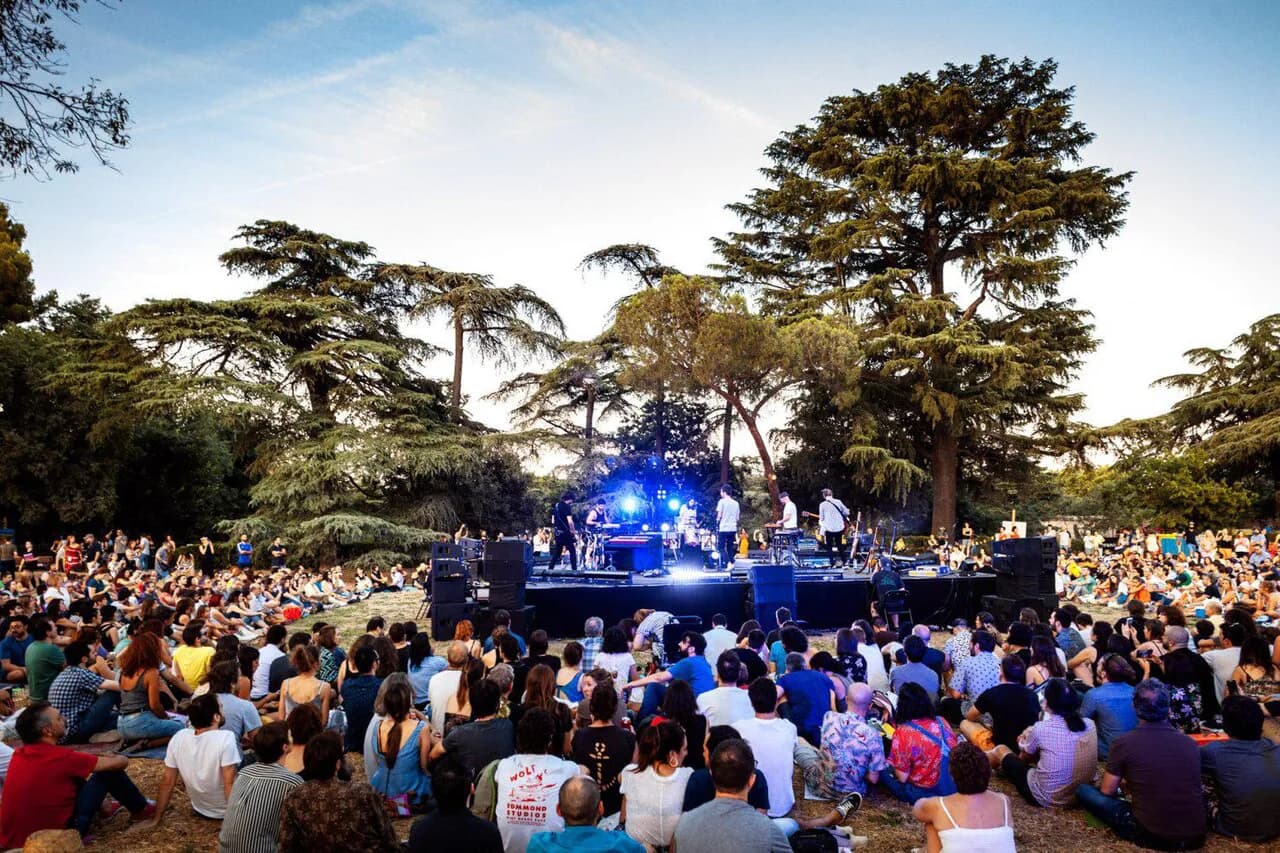
Mad Cool Festival Madrid is Spain's capital-city version of a stadium-scale summer music event, running annually since 2016. Five stages host more than 80 artists over four days each edition, spanning pop, rock, indie, and electronic acts. Organizers' own recap of the 2026 edition, held July 8 to 11, counted 215,000 attendees across the run. The 2018 edition remains a scale benchmark, drawing 240,000 attendees across three days before the format expanded to four. Daily capacity has run as high as 80,000 in past editions; organizers later capped it closer to 60,000 to ease congestion at the site. Past headliners include Foo Fighters, Dua Lipa, Pearl Jam, Metallica, and Muse, underscoring a mainstream pop-rock lean. A DJ-focused talent program spotlighting emerging electronic acts has also run alongside the main lineup in recent years, reinforcing the festival's electronic-music slice alongside its rock and pop core. Nights run late by design, with a high-energy after-dark atmosphere built around Spanish scheduling rather than an early-doors format.

Location and Venue: Navigating Iberdrola Music in Villaverde
The festival has moved twice since its 2016 debut at Caja Mágica. The first two editions took place inside that indoor arena, built for events other than an open-air crowd of this size. An open-air era at Valdebebas followed for several years. Since 2023, the festival has settled at the Iberdrola Music site in Villaverde, south Madrid. Little of Madrid's wider tourist experience exists directly around Iberdrola Music, reinforcing why most attendees base themselves elsewhere in the city and commute in each day. That relocation put more distance between the festival grounds and the tourist core around Sol and Gran Vía, which changes how you plan transport and lodging. Three routes connect central Madrid to the venue, each with a different exit-night reality once the last set ends. Road traffic around the site builds up fast once a headliner finishes. That is part of why the metro and shuttle network matter more here than at a festival with on-site camping. Confirm the current metro closing time on the Metro Madrid site before relying on it, since festival-night extensions are not guaranteed every year. Re-entry to the festival grounds has historically been restricted once you leave. Check the current policy on the official site before planning to step out and come back.
- Metro Line 3: the direct underground route from central Madrid; normally stops around 1:30 a.m., though service has run later on past festival nights.
- Cercanías C-3: the regional rail line running from central Madrid toward Villaverde.
- Shuttle buses: timed to when headliners finish rather than the city transit timetable, making them the steadier option after midnight.
Tickets, Wristbands, and the Cashless Payment System
Mad Cool sells general admission and VIP tickets, with VIP wristbands granting elevated viewing platforms and access to separate bars away from the main crowd. Both ticket types use a mandatory wristband that ships to your address or waits for pickup near the festival. That same wristband doubles as a cashless payment method for food and drink inside the grounds. Exactly how you fund the wristband varies by year, so check the official ticket portal for the current top-up method before you fly out. Fund the linked account before arrival if possible, since an unfunded wristband can leave you stuck at the front of a bar line. Ahead of the 2026 edition, organizers promoted a dedicated on-site food court and published separate VIP-specific planning information. Multi-day passes typically go on sale first and cost less per day than the single-day tickets released later once headliners are confirmed. Lock in dates early if a specific artist is the main draw rather than the festival as a whole. Tickets have sold out quickly in recent years once headliners are confirmed. Muse stepped in as the final 2025 headliner after a late lineup change, which illustrates how volatile the booking calendar can get close to the festival dates. Exact 2026 pricing for general admission and VIP tickets sits on the official Mad Cool ticket page. Check there directly rather than relying on resale listings.
Budgeting Beyond the Ticket Price
Ticket price is only part of the trip budget. Cashless wristband spending on food and drink adds up across a four-day run. Set a daily cap before you arrive rather than topping up reactively at the gate. Transport costs stay modest if a Madrid Metro or Cercanías pass covers most trips between your hotel and Villaverde. Shuttle bus pricing and inclusion vary by year, so check the official transport page for the current terms before assuming it is covered. VIP wristbands cost more than general admission for the elevated viewing platforms and separate bars. Weigh that upgrade against how much a standing-room crowd at the barriers actually bothers you. Multi-day passes remain the better per-day value compared with single-day tickets, which typically go on sale later in the cycle at a higher daily rate.
Mad Cool Festival Madrid vs Primavera Sound: Which Fits Your Trip
Both festivals anchor a Spain-based summer music trip, but they reward different priorities. Mad Cool leans toward stadium rock and mainstream pop in the capital's July heat. Primavera Sound Barcelona: 9 Things to Know Before You Go (2026) leans indie and experimental near Barcelona's coast, with a reputation for higher overall costs. If an electronic, club-adjacent atmosphere matters more than headline rock acts, compare Mad Cool against Sónar's Barcelona programming as well. Stadium rock and mainstream pop headliners make Mad Cool the safer pick if a specific arena-level act is the reason for the trip. Discovering newer indie and electronic names fits Primavera Sound's booking philosophy better than Mad Cool's. The table below breaks down the practical differences.
| Factor | Mad Cool Festival Madrid | Primavera Sound |
|---|---|---|
| Music focus | Stadium rock, pop, indie, electronic | Indie and experimental-leaning |
| Location | Iberdrola Music, Villaverde (south Madrid) | Barcelona, near the coast |
| Climate | Hotter, drier inland July heat | Coastal breeze tempers the heat |
| Cost reputation | Comparable general admission tier | Often perceived as pricier |
Where to Stay in Madrid for Mad Cool Festival
Neighborhood choice shapes both your commute and your non-festival hours in Madrid. Sol and Gran Vía give first-time visitors the most straightforward setup, since Metro Line 3 runs directly toward Villaverde from that area. That same base also puts you within walking distance of Madrid's core sightseeing for the daytime hours before heading south. Atocha suits travelers who want to lean on the Cercanías C-3 line instead of the metro, particularly if arriving from outside the city by train. Atocha's rail hub also makes it a practical base if a wider Spanish festival trip has you arriving by train from another stop. Legazpi and Arganzuela sit closer to the venue and offer a quieter base, trimming the commute for those prioritizing sleep over sightseeing. Villaverde itself has hotels within reach of the festival gates. Staying there skips the rest of Madrid's restaurant and sightseeing scene, so reserve it only when the festival is the entire trip.
Daily attendance capped closer to 60,000 to ease venue congestion transforms neighborhood choice into a strategic decision: Legazpi and Arganzuela's proximity to Villaverde and quieter environment become particularly valuable for managing fatigue across four consecutive festival nights.
- Sol / Gran Vía: direct Metro Line 3 access, best for first-time visitors.
- Atocha: built around the Cercanías C-3 line, useful for train arrivals.
- Legazpi / Arganzuela: closer to the venue, quieter, shorter commute.
- Villaverde: walkable to the gates but skips Madrid's wider restaurant and sightseeing scene.
Planning a Festival Schedule Around Spanish Hours and Madrid Heat
Headline sets at Mad Cool routinely start around 11 p.m. or midnight, so build your day around a late-night finish rather than an early one. Opening acts often take the stage in the late afternoon, well before those marquee slots, so early arrival still pays off for fans willing to handle the heat. Afternoon temperatures in Madrid's July stretch run high. Plan hydration breaks, and consider entering the grounds later in the afternoon if the early stages are not a priority. Daylight hours work well for the parts of Madrid that the Villaverde site does not touch, before heading south for the night's lineup. Sets scheduled around 6 p.m. still sit under direct sun, so sunscreen matters even though the festival's identity centers on its after-dark hours.
Headline sets routinely start around 11 p.m. or midnight, but Metro Line 3 stops around 1:30 a.m., giving attendees minimal time after the final acts to catch the last train and making shuttle buses timed to the headliners' finish the steadier option for late-night returns.
- Museums and galleries in central Madrid
- The historic center near Plaza Mayor and Sol
- Tapas bars near Sol or Atocha before heading south
Common Mistakes First-Time Mad Cool Attendees Make
A handful of avoidable errors show up repeatedly among first-time attendees.
- Trying to walk back to a non-central hotel: Villaverde sits far enough from Sol, Atocha, or Gran Vía that walking after a midnight set is not realistic.
- Leaving the cashless wristband unfunded: an empty account can cost you a bar-line wait once it will not process payment.
- Skipping sunscreen for 6 p.m. sets: Madrid's July sun stays strong well into early evening, before the festival's after-dark hours begin.
- Assuming re-entry is guaranteed: Mad Cool has historically restricted leaving and returning to the grounds, so confirm the current policy before planning an exit.
Beyond Mad Cool: Spain's Summer Festival Circuit
Mad Cool works well as one stop on a longer festival-focused trip through Spain. Bilbao BBK Live 2026: The Complete Kobetamendi Planning Guide gives a rock and indie lineup a hillside setting in the north. FIB Benicàssim pairs a beach-town base with a similarly mainstream pop-rock bill on Spain's east coast. Resurrection Fest Viveiro 2026: Tickets, Transport, and Where to Stay covers heavier rock and metal acts for travelers who want a harder-edged lineup than Mad Cool's pop-leaning nights. Rototom Sunsplash 2026: A Practical Guide to Europe's Largest Reggae Festival in Benicàssim shifts the genre entirely toward reggae, a useful contrast if a week of stadium rock starts to feel repetitive. For a slower, more traditional cultural stretch after the festival crowds, Jazzaldia in San Sebastián trades stadium stages for a jazz-focused program. Seville's Bienal de Flamenco offers a similar shift toward Spain's traditional music rather than festival-circuit headliners. Travelers heading south after Madrid can also work Granada's festival calendar into the same trip before returning home. Exact dates for each stop vary by year, so confirm the current calendar for whichever combination fits a summer itinerary. Because these festivals cluster across the summer calendar, combining two or three into one Spain trip is a realistic plan for dedicated festival-goers.
For trip-planning details, see Mad Cool Festival official source and Madrid / regional tourism authority.
Frequently Asked Questions
When is Mad Cool Festival Madrid in 2026?
The 2026 edition of Mad Cool Festival Madrid ran July 8 to 11 at the Iberdrola Music site in Villaverde. Mid-summer has remained the reliable planning window every year since the festival's 2016 debut, aside from pandemic-era disruption in 2020 and 2021. Check the official festival site for confirmed dates once organizers announce the next edition.
Can you camp at Mad Cool Festival Madrid?
Mad Cool runs as an urban festival with no on-site camping. Attendees stay in Madrid proper and commute to Villaverde each day of the festival.
How do you get back to central Madrid after Mad Cool ends late at night?
Metro Line 3 is the direct route, though it normally stops around 1:30 a.m. and has only sometimes run later on festival nights. Shuttle buses timed to the last set are the steadier fallback once headliners wrap up near midnight or after.
Is Mad Cool Festival Madrid better than Primavera Sound?
Neither is objectively better; the choice depends on taste. Stadium rock and mainstream pop dominate Mad Cool's capital-city lineup, while Primavera Sound leans indie and experimental near Barcelona's coast.
What should you know about the Mad Cool wristband before arrival?
Every ticket type ships as a mandatory wristband that also functions as a cashless payment method for food and drink. Fund the linked account before arrival, since an unfunded wristband can leave you stuck at the front of a bar line.
Can you leave and re-enter Mad Cool Festival grounds?
Re-entry has historically been restricted at Mad Cool once you exit the grounds. Confirm the current policy on the official festival site before planning to step out during the day and return for the night's lineup.
How much does it cost to attend Mad Cool Festival Madrid?
Exact 2026 general admission and VIP prices are listed on the official Mad Cool ticket page. Multi-day passes typically cost less per day than single-day tickets released later once headliners are confirmed, and VIP costs more than general admission for elevated viewing and separate bars.