
Last updated August 2026. This Sonorama Ribera Aranda de Duero guide helps you plan tickets, accommodation, transport, spending, and late-night returns. Confirm edition-specific dates, schedules, locations, and entry rules through official sources before booking.
Sonorama Ribera at a Glance
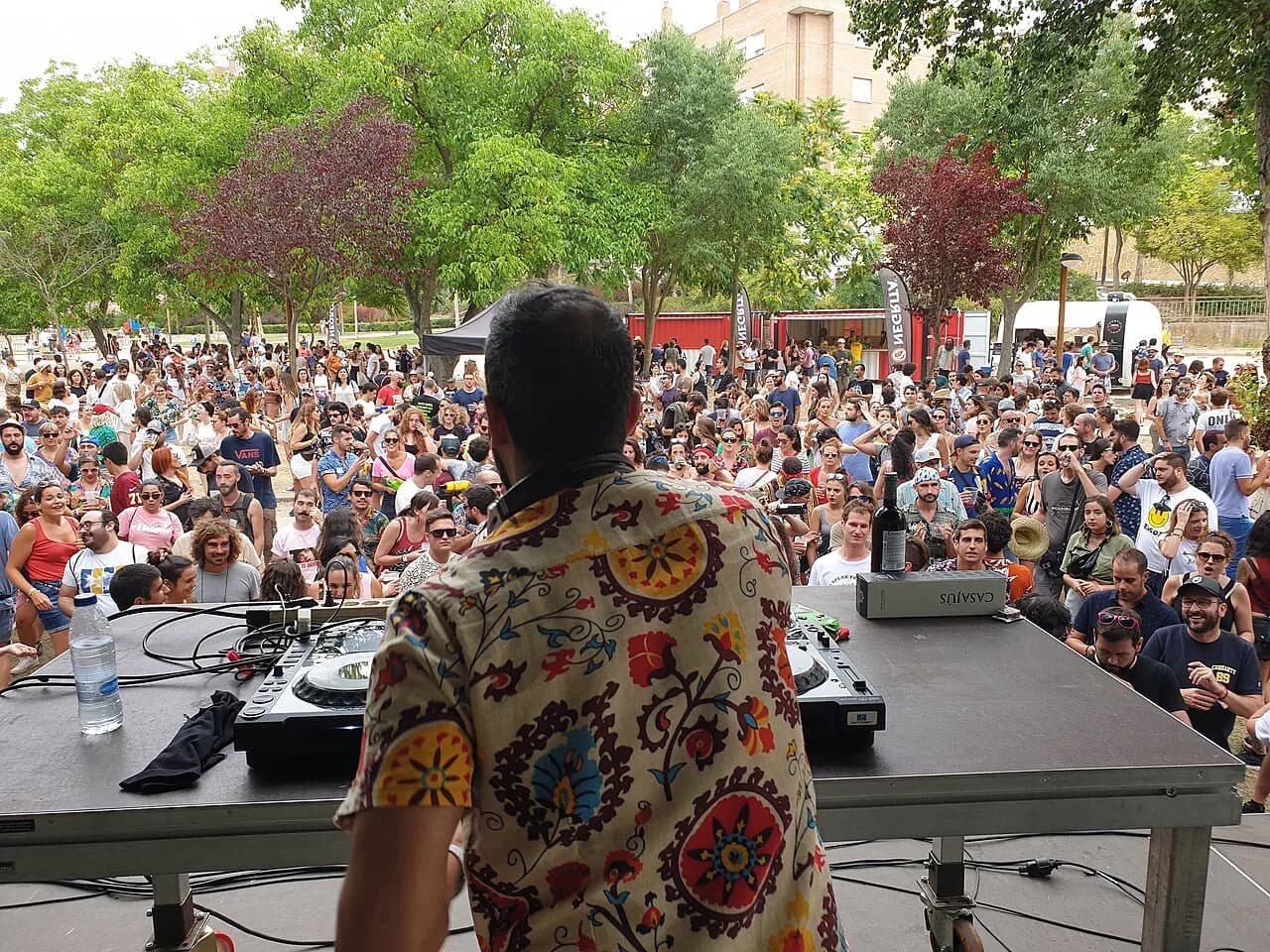
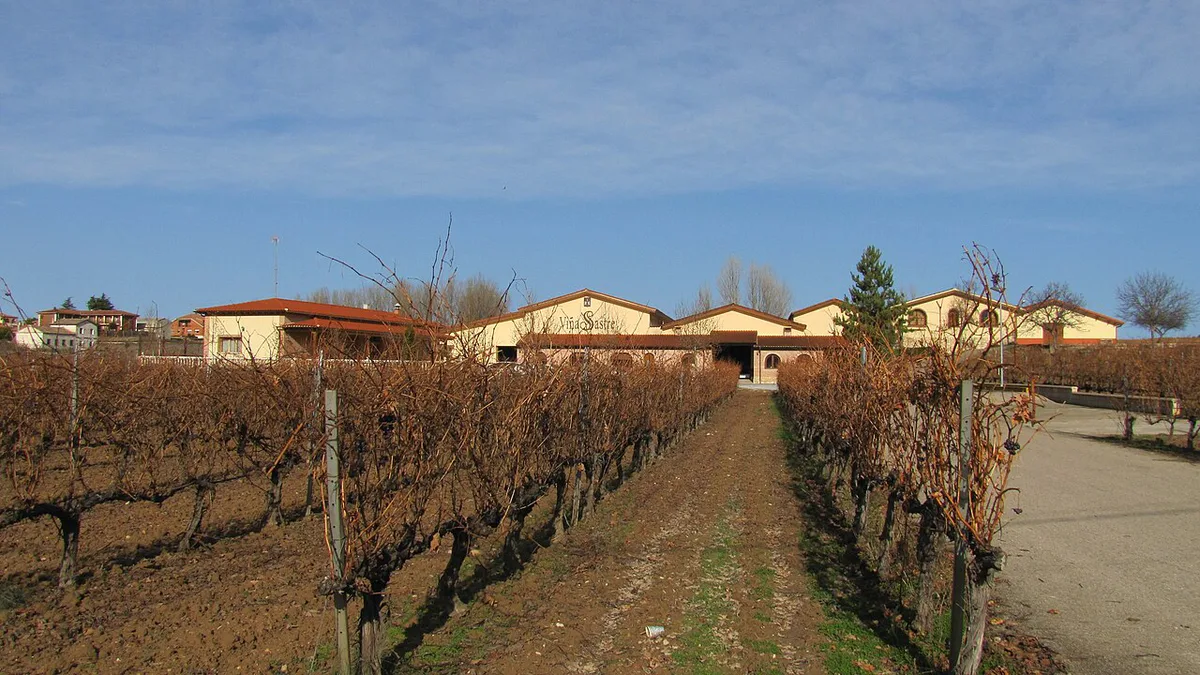
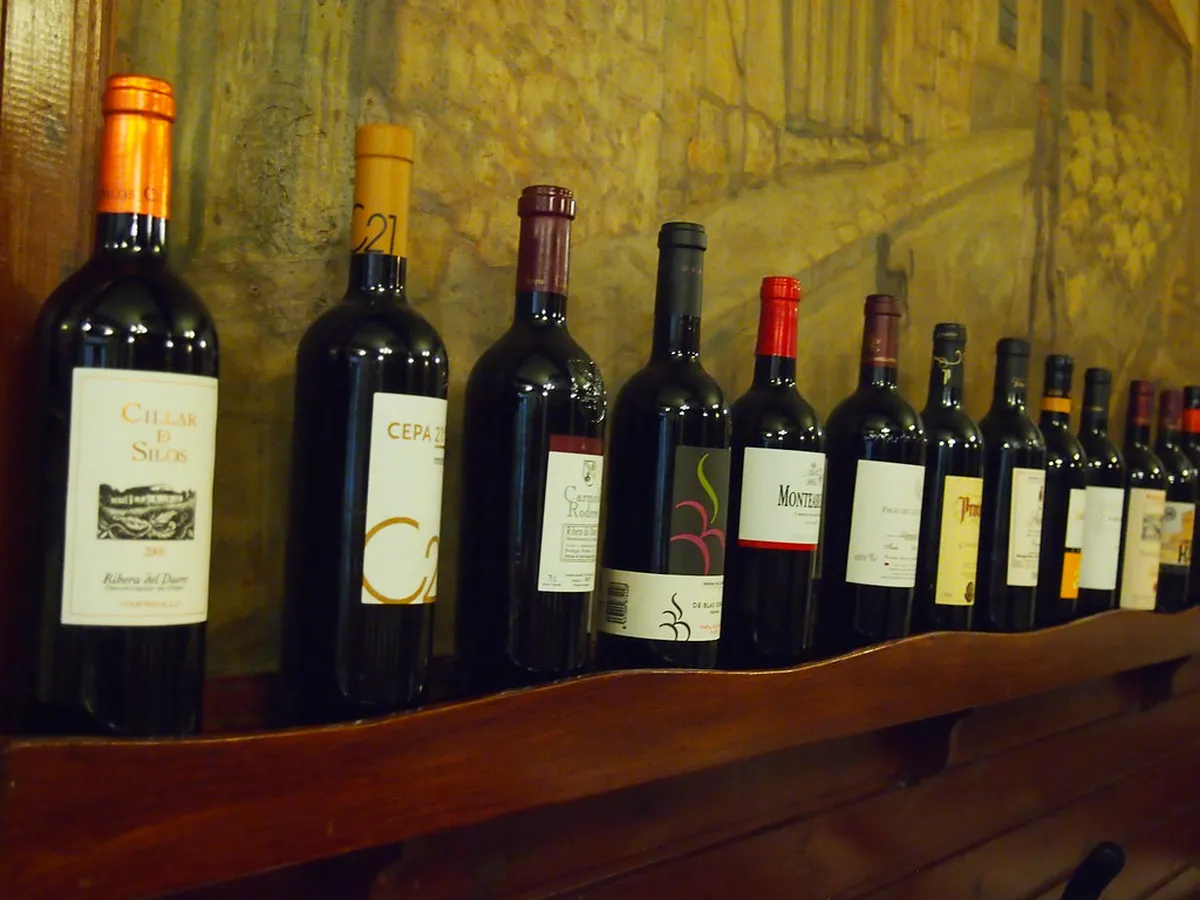
Sonorama Ribera is an annual music event associated with mid-August in Aranda de Duero, within the Ribera del Duero wine region. Its original angle connects festival programming with local wine culture. Bodegas and underground cellars may host accompanying events, but each edition can use a different program. Treat the official Sonorama Ribera website as the final source for dates, tickets, locations, and access rules. Regional visitor information should be checked through the Castilla y León tourism portal before departure.
| Planning point | What is supported | What you must verify |
|---|---|---|
| Destination | Aranda de Duero, Spain | Your accommodation address and route to each listed event location |
| Recurrence | Annual | The confirmed dates for the edition you plan to attend |
| Planning window | Mid-August | Exact opening times, performance times, and entry deadlines |
| Festival character | Music linked with Ribera del Duero wine culture | Which bodegas, cellars, or other spaces appear in the current program |
| Trip length | Flexible according to your ticket and priorities | Arrival buffers, final performances, checkout time, and return transport |
| Tickets | Edition-specific admission is required where stated | Categories, inclusions, fees, age rules, transfer terms, and sales status |
| Accommodation | Location affects price, noise, and return planning | Current availability, cancellation terms, and late access |
| Primary source | Official festival website | Any late schedule, venue, transport, or entry update |
14 Essential Sonorama Ribera Aranda de Duero Planning Decisions
These 14 decisions cover the trip from your first booking search to the journey home. Several details can change between editions, so distinguish official policies from editorial recommendations. Save the relevant official pages and review them again shortly before travel.
- 1. Confirm the current dates and official schedule
- Use mid-August as an initial planning window, but do not book around an assumed weekend or copied schedule.
- Verify the current dates, entry times, program changes, and named locations on the festival’s official website.
- Repeat that check before departure because a saved image or third-party listing may no longer reflect the live program.
- 2. Choose admission that matches your stay
- Compare only the ticket categories displayed by the authorized seller for your edition.
- Review validity, included access, booking fees, identification requirements, age conditions, re-entry, and transfer or refund terms.
- A lower admission cost may not save money if it forces an extra journey or accommodation night.
- 3. Decide how many days you actually need
- A short visit prioritizes selected performances and requires tightly coordinated arrival, luggage, check-in, and departure plans.
- A longer stay creates room for delays, rest, and time in Aranda de Duero outside scheduled activities.
- Match your final night to the program and return route instead of assuming transport will remain available after your preferred performances.
- 4. Book accommodation with the return journey in mind
- Compare lodging by access, price, noise exposure, cancellation terms, and the route you would use late at night.
- A central room may simplify movement, while a quieter or cheaper alternative can require reserved transport.
- Before paying, confirm check-in deadlines, late entry arrangements, and the exact address shown by the property.
- 5. Plan the complete journey to Aranda de Duero
- Build one route from your home or arrival airport to the accommodation door, including every transfer and final local leg.
- Record separate backup options for delays, missed connections, and arrival after the accommodation desk closes.
- Current operators, stops, timetables, reservations, luggage rules, and final departures require direct verification.
- 6. Compare public transport, driving, and transfers
- Public transport suits travelers who prefer not to manage parking, but fixed departures can reduce late-night flexibility.
- Driving gives groups more timing control, although traffic rules, parking availability, and a sober driver need advance decisions.
- A taxi or private transfer offers door-to-door convenience, yet availability and pickup arrangements may tighten during event demand.
- 7. Resolve local movement before the first performance
- Map every confirmed event location against your accommodation instead of assuming all activities share one site.
- Check whether the current edition announces shuttles, designated pickups, temporary restrictions, or other local arrangements.
- Agree on a meeting point and return plan before your group separates or mobile coverage becomes difficult.
- 8. Build a complete trip budget
- Include admission, booking fees, intercity transport, local transfers, parking, accommodation, meals, merchandise, and an emergency buffer.
- No verified 2026 price appears in the supplied brief, so check the displayed € amounts through the official booking path.
- Compare total per-person costs because a shared room or vehicle can change the balance between convenience and price.
- 9. Review entry, payment, and bag policies
- Read the current rules for identification, re-entry, prohibited items, payment methods, age restrictions, and ticket ownership.
- Do not rely on policies remembered from another year because admission systems and permitted items can change.
- Save the relevant policy page offline and keep your ticket available separately from a single low-battery phone.
- 10. Pack for long event days
- Start with identification, ticket access, suitable footwear, medication, sun protection, a charged phone, and backup power.
- Check the forecast near departure before choosing layers or rain protection for outdoor movement.
- Confirm whether bottles, bags, chargers, seating aids, cameras, or other equipment are allowed before placing them in your event bag.
- 11. Plan food, water, and rest
- Verify the current on-site food, water, payment, and outside-drink rules rather than assuming previous arrangements still apply.
- Place meal and rest opportunities around your priority performances so basic needs do not depend on one narrow break.
- Travelers with dietary or medical requirements should identify suitable options and permitted supplies before reaching an entrance.
- 12. Leave realistic time for Aranda de Duero
- Reserve destination time only after the festival schedule, sleep, meals, and transfer needs have been mapped.
- Wine-related programming may involve bodegas or underground cellars, but participation and locations require current official confirmation.
- Check reservations and visitor information before treating any local activity as a guaranteed part of your festival trip.
- 13. Prepare one workable backup plan
- Save tickets, accommodation details, maps, emergency contacts, and return information where they remain accessible offline.
- Choose a group meeting point and decide what happens after a schedule change, transport disruption, lost item, or dead phone.
- Keep enough flexibility for an alternative ride or accommodation adjustment without relying on unverified last-minute availability.
- 14. Decide whether the trip fits your needs
- Sonorama Ribera can suit solo visitors, groups, and destination-focused travelers when logistics are arranged around the confirmed program.
- Budget-conscious visitors should compare total trip costs rather than judging affordability from admission alone.
- Anyone needing step-free access or other accommodations should request current, location-specific information before purchasing nonrefundable travel.
A 5-Step Door-to-Door Arrival Framework
A useful arrival plan covers more than the main intercity journey. Write down each handoff, required reservation, and final departure. Build the route backward from your accommodation’s confirmed check-in arrangements. If a connection fails, you should already know which booking or arrival condition becomes the immediate problem.
| Step | Decision | Record before booking | Contingency |
|---|---|---|---|
| 1 | Reach your major arrival point | Arrival time, terminal, luggage collection, and disruption policy | A later connection that still reaches your lodging |
| 2 | Continue toward Aranda de Duero | Current operator, stop, reservation, and baggage conditions | A refundable or changeable alternative where available |
| 3 | Complete the final local leg | Distance from arrival stop to the exact accommodation address | A prechecked taxi or transfer contact |
| 4 | Enter the accommodation | Check-in deadline, identification, deposit, and late-entry instructions | Direct property contact saved offline |
| 5 | Reach the confirmed event location | Route, estimated buffer, entrance details, and return meeting point | An alternative pickup location approved by the current arrangements |
Where to Stay in Aranda de Duero for Sonorama Ribera
No single accommodation choice works for every visitor. Start with the exact event locations published for your edition. Then compare the full nightly cost with the effort required to return after your final planned activity. Confirm any map estimate yourself because temporary access rules can change practical routes.
| Stay pattern | Best fit | Main trade-off | Check before payment |
|---|---|---|---|
| Central accommodation | Travelers prioritizing simpler local movement | Possible event noise, higher demand, or less availability | Exact address, late access, cancellation terms, and route |
| Quieter location | Visitors protecting sleep or extending their stay | A longer return may require arranged transport | Nighttime route and reliable pickup plan |
| Outside the immediate center | Groups with a suitable vehicle or reserved transfer | Parking and late transport become essential | Road restrictions, parking rules, driver plan, and check-in |
| Flexible or refundable booking | Travelers booking before every detail is confirmed | The displayed rate may differ from stricter terms | Cancellation deadline, prepayment, taxes, and amendment conditions |
3 Ways to Handle Transport and Late-Night Returns
Choose transport according to your final return, not just the easiest outbound journey. An option that works during the day may fail after the last activity you want to attend. Verify all timetables and pickup instructions with current operators or official event notices.
| Option | Best for | Main advantage | Main drawback | Verify before travel |
|---|---|---|---|---|
| Public transport | Travelers avoiding a car | No parking or designated-driver responsibility | Fixed schedules can restrict arrival and departure choices | Stops, reservations, luggage rules, and final departures |
| Driving | Groups or flexible itineraries | More control over luggage and timing | Parking, traffic restrictions, and sober-driver planning | Official parking notices, road access, and accommodation parking |
| Taxi or private transfer | Travelers prioritizing door-to-door movement | A planned connection between confirmed addresses | Higher cost and possible peak demand | Availability, € price, booking terms, and authorized pickup point |
An 8-Part Sonorama Ribera Budget
The supplied evidence does not provide a verified 2026 ticket price or transport fare. Find the live admission amount through the official booking information, then record every charge in euros. Compare admission with the total trip cost, not with another ticket in isolation. A cheaper room may become more expensive after repeated transfers. Driving may look economical for a group until parking and driver responsibilities are included.
| Cost category | What to record | Useful comparison |
|---|---|---|
| 1. Admission | Displayed € price, booking fee, validity, and included access | Cost for the performances you realistically plan to attend |
| 2. Main transport | Return fare, reservation fees, luggage charges, or driving costs | Refundable flexibility against the cheapest fixed option |
| 3. Local movement | Transfers, taxis, parking, or any confirmed shuttle charge | Central lodging against repeated late journeys |
| 4. Accommodation | Full € total, taxes, deposits, and cancellation conditions | Per-person cost for solo, couple, and group arrangements |
| 5. Food and drinks | A daily allowance based on your own meal plan | Planned meals against repeated convenience purchases |
| 6. Luggage and storage | Any verified baggage, locker, or storage charge | Traveling light against paying for extra handling |
| 7. Optional spending | Merchandise and additional destination activities | A fixed personal cap against unplanned purchases |
| 8. Contingency | Funds for a changed connection, extra ride, or delayed departure | Flexible bookings against the cost of replacing rigid plans |
3 Suggested Sonorama Ribera Itineraries
These templates are deliberately non-date-specific. Attach them only to the confirmed program for your edition. Avoid assigning an activity to a particular day until the official schedule supports it. Each plan should include a return route and enough time for luggage, meals, rest, and unexpected delays.
No verified 2026 ticket price or transport fare is supplied, so the quick, full-stay, and destination-time plans cannot be ranked by cost from the templates alone. Price each plan with accommodation and its late-return route before choosing among them.
| Plan | Arrival approach | Event and destination time | Departure approach |
|---|---|---|---|
| 1. Quick event-focused visit | Arrive with a buffer before check-in and your selected activities | Prioritize a small number of confirmed performances and protect meal time | Stay overnight when the last practical connection does not match your plan |
| 2. Full event stay | Reach Aranda de Duero before your first priority activity | Balance event periods with sleep, meals, and flexible recovery time | Leave after checkout with a reserved connection and disruption backup |
| 3. Event plus destination time | Add destination time before or after the busiest part of your schedule | Check current bodega, cellar, and visitor arrangements separately | Avoid placing a fixed reservation immediately after a late event period |
A 3-Stage Sonorama Ribera Planning Checklist
Complete the checklist chronologically instead of leaving every decision for departure week. Store confirmations offline as soon as each booking is made. Recheck variable details near travel because an old screenshot cannot show a later schedule, access, or transport revision.
| Stage | Action 1 | Action 2 | Action 3 | Action 4 |
|---|---|---|---|---|
| Before booking | Confirm edition dates and ticket availability | Compare full door-to-door routes | Check accommodation supply and location | Read cancellation and change terms |
| After booking | Save tickets and confirmations offline | Confirm local transfers and late return | Review entry and bag rules | Build the 8-part spending plan |
| Before departure | Recheck schedules and forecast | Confirm the final return route | Charge devices and backup power | Share meeting points and essential contacts |
How to Compare Sonorama Ribera With Other Spanish Event Trips
Use the same decision framework when comparing festivals: admission, total travel time, accommodation, local movement, and late-night flexibility. The Viña Rock planning guide provides another trip-planning reference. Confirm its live event details through the official Viña Rock website. Barcelona-based planning can be reviewed in the Cruïlla travel guide. Check current information on the official Cruïlla website. Avoid assuming that ticket rules, transport arrangements, or accommodation patterns transfer between events.
The Final 3 Questions Before You Book
First, can you verify the dates, admission conditions, and event locations through official information? Second, does your accommodation work with the route you will need after your last planned activity? Third, can your total budget absorb a changed connection or extra local transfer? A confident answer to all three is more useful than an itinerary built around unverified details. Check official updates again before booking and before departure.
Plan Accessibility and Support Needs Before You Book
Accessibility can differ between performance spaces, entrances, streets, and temporary festival layouts. Request current, location-specific information before buying tickets or nonrefundable travel. Ask the official festival team which access arrangements apply to your edition.
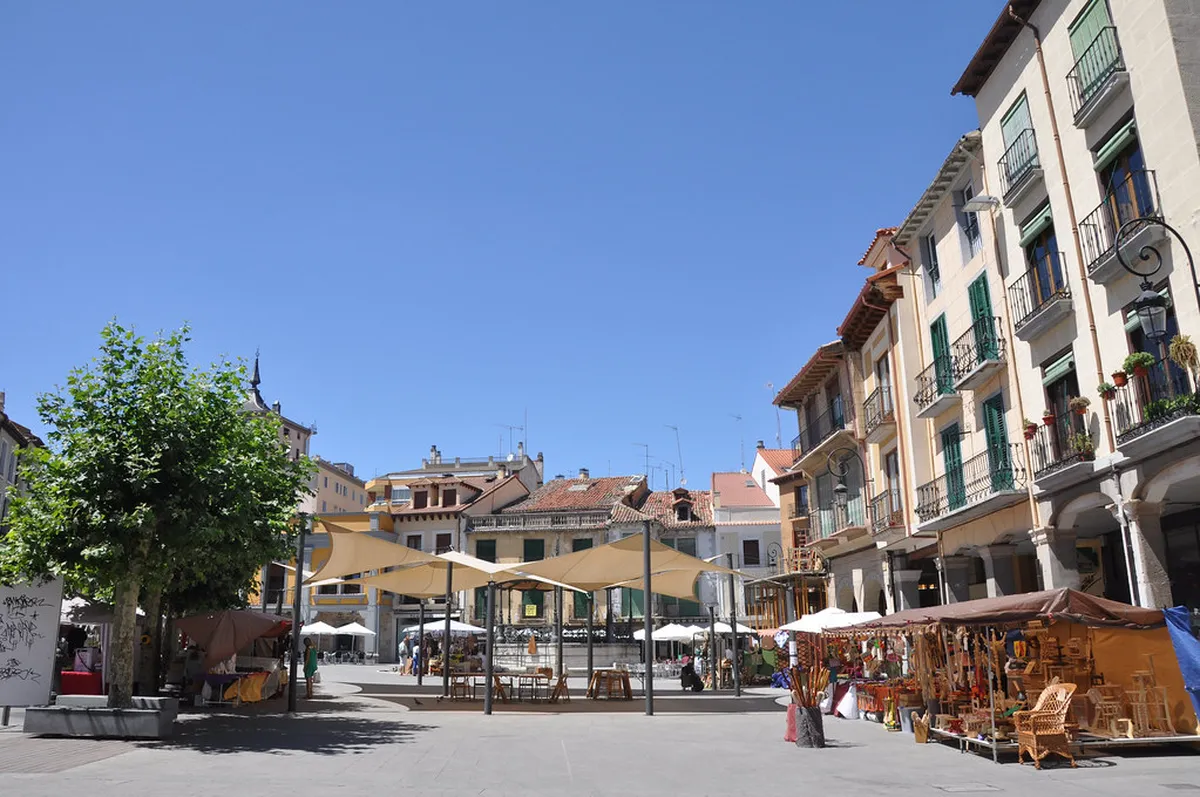
Share the practical details that affect your visit. These may include step-free routes, accessible toilets, viewing areas, companion policies, queue support, assistance animals, medication, and permitted mobility equipment. Confirm whether any support requires advance registration or separate documentation.
- Check the route from your accommodation to each confirmed venue, including gradients, cobbles, crossings, and late-night pickup points.
- Ask your accommodation about accessible room features, lift access, entrance steps, bathroom layout, and late-arrival procedures.
- Keep written confirmation of agreed arrangements, plus a backup contact and enough time for slower transfers.
Do not assume a suitable arrangement at one venue applies across the whole program. Recheck the final venue list and access guidance shortly before departure.
Frequently Asked Questions
Where does Sonorama Ribera take place?
Sonorama Ribera takes place in Aranda de Duero, Spain. Activities may use multiple locations, including wine-related spaces in some programming. Check the current official schedule for every named location and entrance.
When is the next Sonorama Ribera?
The event recurs annually and is associated with mid-August. Exact edition dates were not supplied in the brief. Confirm them through the official festival website before arranging nonrefundable travel.
How do you get to Aranda de Duero without a car?
Start by checking current public transport options from your actual arrival point. Verify operators, stops, reservations, luggage conditions, and final departures directly. Your plan must also cover the last leg from the arrival stop to your accommodation.
How many days should you stay for Sonorama Ribera?
Choose the stay length after reviewing your ticket validity and priority performances. A short trip needs precise transfers and luggage planning. Extra time allows a wider arrival buffer, more rest, and separate exploration of Aranda de Duero.
Where should visitors stay in Aranda de Duero?
Choose accommodation by access, total price, noise preference, and late-night return needs. A central address may simplify movement. A quieter or less central stay requires a dependable route after your final activity.
How early should accommodation be booked?
Begin comparing accommodation once official dates and your likely stay are known. No supported booking deadline is supplied. Favor terms that match your tolerance for schedule or transport changes, especially before every detail is confirmed.
Can attendees drive and park nearby?
Driving may work for groups or travelers needing schedule flexibility. Parking access, road restrictions, and event arrangements can change. Verify official notices and your accommodation’s parking terms before relying on a vehicle.
What should first-time visitors bring?
Bring identification, ticket access, suitable footwear, required medication, sun protection, a charged phone, and backup power. Review the forecast before departure. Check current bag and prohibited-item rules before packing bottles, cameras, seating aids, or other equipment.
Is Sonorama Ribera suitable for solo travelers?
A solo trip can work when accommodation, local movement, and late returns are settled in advance. Share your itinerary with a trusted contact and save essential details offline. Use current official guidance for safety, entry, and accessibility questions.
Where can visitors find official Sonorama Ribera updates?
Use the official Sonorama Ribera source for edition-specific dates, schedules, tickets, locations, and rules. Review its live information before booking and again before departure. Direct operator or property sources should confirm transport and accommodation details.
More Inland Music
Wine country, deep cuts and Barcelona's third festival.