
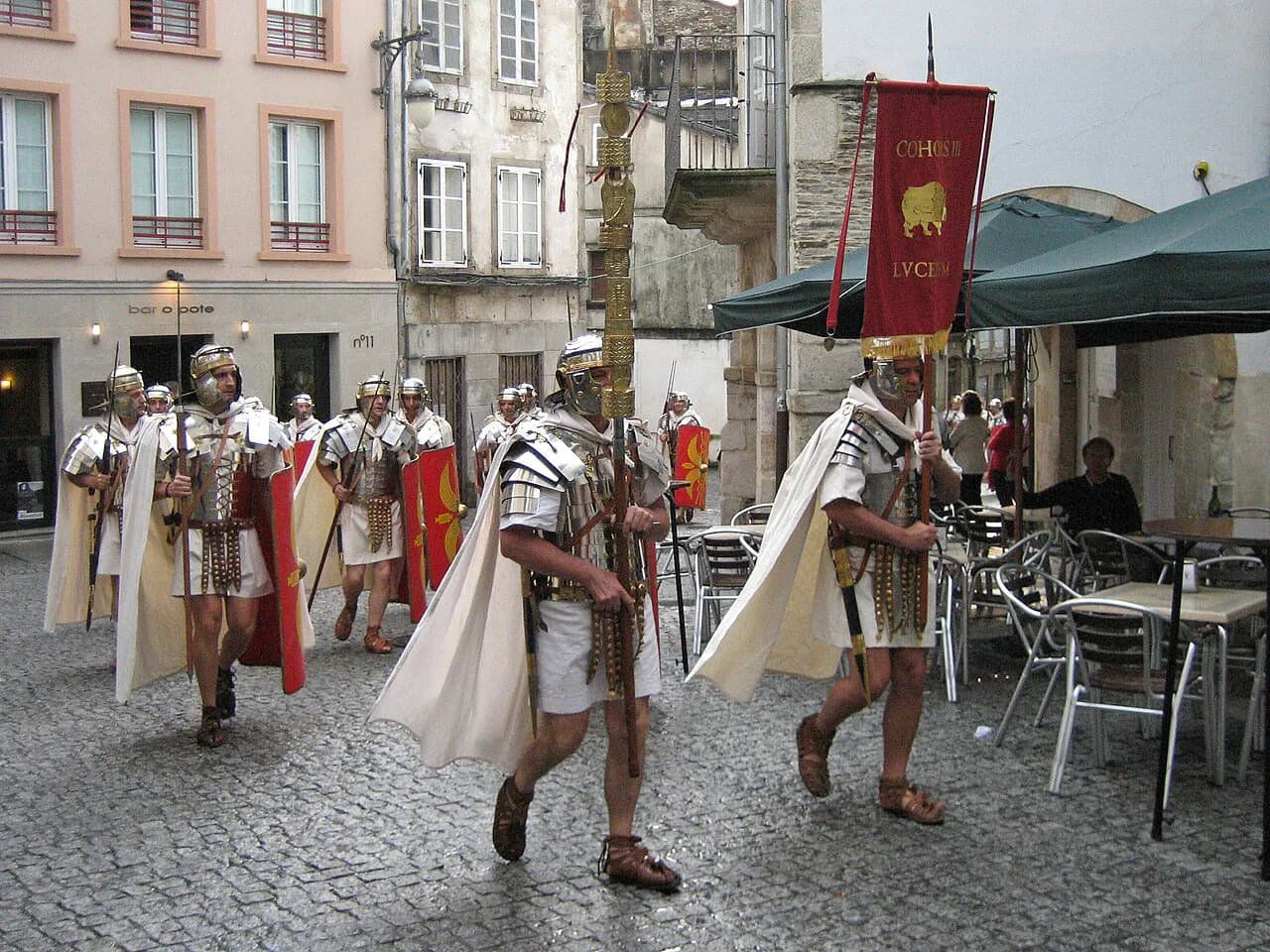
Last updated September 2026, the arde lucus festival remains Lugo's signature event, staged around the summer solstice beside the city's UNESCO-listed Roman Walls. For four days every June, the historic center becomes Lucus Augusti, the Roman name for Lugo, with the busiest reenactments concentrated into three central days. This guide covers what you'll see, how to time a visit around the 2026 dates, and how the arde lucus festival differs from San Froilán, Lugo's other major celebration.
What Is the Arde Lucus Festival?
Arde Lucus turns Lugo into Lucus Augusti, the Roman name given to the city after its founding. Roman forces established the settlement around 13 BC, in what was then the province of Gallaecia. By the 3rd century, those same authorities had ringed the city with the defensive walls that still stand today. Long before the Romans arrived, the area carried the name of Lugos, a Celtic god linked to light. This festival draws on both layers of that history, Roman and Celtic Castro, rather than picking just one. Reenactments recreate 3rd-century Lucus Augusti for several days every June, timed to the summer solstice. Its name translates as burn Lugo, a nod to the bonfires and the burning-walls spectacle that close the weekend. Organizers tie the festival to both the city's Roman founding and the Roman Walls' UNESCO listing, awarded in 2000. In 2023, Turismo de Galicia recognized Arde Lucus as a Festival of International Tourist Interest, Spain's top tier of festival designation. 2026 marks the festival's 25th edition, a milestone it calls Annvs Argentevs, or the Silver Year. Expect an expanded program of activities to match the anniversary. Recent editions have drawn between roughly 460,000 and 600,000 visitors over the festival weekend, depending on the year. Historical reenactment associations such as Cohors III Lucensium and Trebas Galaicas run much of the daily programming. Newer groups have joined them too, including the all-women Assemblearias de Lucus Augusti, founded in 2012 by Dr. Cristina Arias Rey along with 10 others. Together, these associations staff the camps, lead the parades, and stage the battles that make the festival work. The sections below cover exactly where all of that plays out, from the market square to the ramparts.
6 Unmissable Experiences at the Arde Lucus Festival
Arde Lucus splits roughly into free street spectacle and a smaller set of ticketed set pieces. Six experiences below cover both sides, from the market stalls of the Macellum to the circus performance that needs advance booking. Expect crowds at every one of them, especially over the weekend's two busiest days.
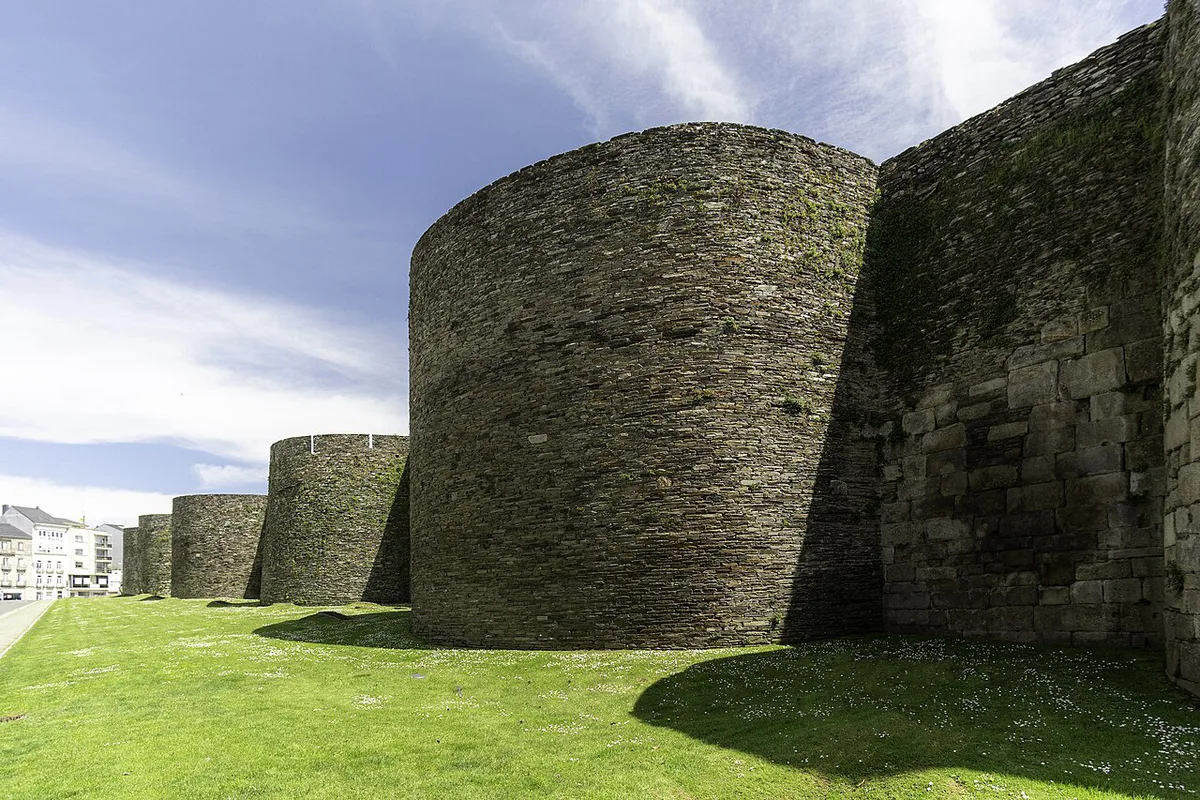
The ramparts featured in the Burning of the Walls spectacle form a walkable 1.2 miles loop with stairway access at several points, rewarding independent exploration before or after the festival.
- The Macellum Market at Praza Maior
- Praza Maior becomes the Macellum, an open-air Roman market selling crafts, food, and reenactor gear.
- Magic acts, juggling, and live music run through the square for most of the festival's daytime hours.
- It works well as a free, walk-through introduction if this is your first Arde Lucus visit.
- The Roman Circus at Parque de Rosalía
- Parque de Rosalía hosts gladiator fights and quadriga chariot races staged as a full Roman circus program.
- Unlike the street parades, the circus needs a separate ticket and regularly sells out.
- Book through the official festival program as soon as each year's dates and lineup are confirmed.
- Celtic Weddings in the Castro Tradition
- Couples can marry under an old Celtic rite that binds them for one year at a time.
- Each year, the bride decides whether the union renews for another twelve months.
- After seven consecutive renewals, the marriage becomes permanent, and each couple receives a wedding certificate.
- The Burning of the Walls
- This nighttime spectacle reenacts a siege of Roman Lucus Augusti, staged along the ramparts.
- Historical associations and volunteer performers act out the fighting in full costume.
- Fireworks close the show, timed to land directly over the Roman Walls.
- Roman and Castro Military Camps
- Reenactment associations pitch full encampments and live in period dress for the length of the festival.
- Camps split into two types, Roman legionary camps and Castro Celtic settlements, each with its own daily routine.
- A guide to the Roman camp and Celtic market covers what to expect inside both.
- Street Parades, Bacchanalia and Roman Games
- Costume parades, mock gladiator duels, and Roman-style games fill the streets between the ticketed set pieces.
- Look for slave-market skits, Roman wedding processions, and military drills staged right in the historic center.
- These free spectacles are where most families spend the bulk of their festival time.
When to Go: Arde Lucus 2026 Dates and Timing
The 2026 edition of Arde Lucus runs Thursday, June 18 through Sunday, June 21. Organizers cluster the busiest reenactments, including the circus and the burning of the walls, into three central days of that span. Dates shift slightly every year around the summer solstice, so treat June as a fixed month but not a fixed weekend. Confirm exact dates on the Galicia festival calendar before you book flights or trains. Arriving a day early lets you settle in before the camps and market stalls open, and gives some buffer if regional transport runs behind schedule during the festival crush.
The 2026 edition draws 460,000 and 600,000 visitors across the festival weekend, explaining why the city's available rooms—even those outside the walls—book completely six or more months ahead.
Getting to Lugo
Lugo has no commercial airport of its own, so flying in directly is not an option. Most visitors reach the city through Santiago de Compostela or A Coruña, both served by international flights. From either city, regional trains and long-distance buses run onward into Lugo. The train station and bus station both sit within walking distance of the old town and the Roman Walls, which matters once you are hauling festival gear or a costume bag. During the festival weekend, book onward transport early. Driving is an option too, though parking near the old town gets scarce once the festival crowds arrive.
Where to Stay During Arde Lucus
Lugo is a small city, and Arde Lucus does not add extra hotel capacity to match its crowds. Rooms across the whole city, not just inside the walls, tend to book out 6 or more months ahead of the festival weekend. Where you choose to stay changes the kind of trip you get.
- Inside the Walls
- Hotels and guesthouses within the old town put you steps from Praza Maior and the ramparts.
- Expect street noise late into the night; this is the most immersive but least restful option.
- These rooms sell out first, sometimes a year or more ahead for the anniversary edition.
- Lugo's New City
- The newer districts just outside the walls offer a quieter base within easy walking distance.
- You still reach the Macellum and main camps in minutes on foot from most of these areas.
- Availability here tends to hold out a little longer, though not by much during solstice week.
- Sarria and Nearby Towns
- Sarria and other towns in the province make a fallback base once Lugo itself books out.
- Regional trains and buses connect back into Lugo for day visits throughout the festival.
- This trade-off works best when a car or reliable regional transport is already part of the plan.
Costs, Tickets and Dress Code at Arde Lucus
Most of Arde Lucus costs nothing to attend. Street parades, the Macellum market, and walk-through visits to the military camps are free every year. The Roman Circus and a handful of ticketed banquets are the main exceptions. Both need advance booking through the official festival program once each year's schedule posts, and both tend to sell out fast given the crowds the festival already pulls in. Historical estimates tied to the 2009 edition put the festival's profit for the city at around €10 million, a sign of how much local business it generates even though entry itself stays largely free.
Dressing up matters more here than at a typical Spanish street festival. Locals treat Roman togas and Castro tunics as participation, not costume-party novelty, and a well-made outfit gets you welcomed into camps and taverns alike. Costume shops and reenactment associations sell or rent tunics and accessories in the run-up to the festival. Vendors and prices shift year to year, so check the official program closer to your travel dates rather than relying on an old listing. Even strollers get the treatment; some families decorate them to look like small Roman chariots.
Food and drink follow the same spirit. Tabernae stalls, which replaced the older open-air Comilonum banquet after the 2009 edition, cluster around Praza da Soidade and serve Roman-style dishes alongside local Galician wine. Budget for festival-weekend prices to run a little higher than an ordinary week in Lugo, simply because demand across the whole city spikes at once.
Beyond the Festival: Lugo and the Province
Lugo's Roman Walls reward a visit on their own, festival or not. UNESCO listed them as a World Heritage Site in 2000. The full loop covers roughly 1.2 miles and stays walkable in an afternoon, with stairway access up onto the ramparts at several points along the way. Lugo also sits on the Camino Primitivo, one of the historic Ways of St. James, according to Galicia's official tourism board. Just outside the old town, the Museo Provincial de Lugo covers the city's Roman and Celtic history in more depth than a single festival day allows. Its collections give context to everything the festival stages outdoors, from the pottery styles reenactors copy to the layout of the original Roman settlement. Day trips reach further into the province. A Mariña Lucense's Praia das Catedrais and the river canyons of the Ribeira Sacra both sit within range of a one-day excursion from Lugo. Regional tour operators advertise Ribeira Sacra day trips from around €75 per person, with private full-day tours closer to €115. Building in a day or two on either side of the festival gives room for one of these trips without rushing the reenactment itself. None of these side trips require festival tickets, so they work as well before the crowds arrive as after.
Arde Lucus vs. Fiestas de San Froilán: Which Lugo Festival Fits Your Trip?
Lugo runs two major festivals each year, and travelers often ask which one to pick if only one trip fits the schedule. Both festivals draw heavily on Galician identity, but they express it in very different registers. Arde Lucus is a historical reenactment built around Roman and Castro identity, staged over the summer solstice weekend in June. Fiestas de San Froilán leans toward a traditional Galician street fair, with food stalls, fairground rides, and produce markets, and runs later in the year. Choosing between them comes down to whether the trip is built around living history or a more conventional fiesta atmosphere.
| Arde Lucus | Fiestas de San Froilán | |
|---|---|---|
| Theme | Roman and Castro historical reenactment | Traditional Galician street fair |
| Timing | Summer solstice, mid-to-late June | Later in the annual festival calendar |
| Vibe | Living-history immersion, costume culture | Food stalls, fairground rides, produce markets |
| Best for | History-focused travelers and families | Food-focused travelers and general fiesta-goers |
Mistakes to Avoid at Arde Lucus
A few recurring mistakes separate a smooth Arde Lucus trip from a frustrating one.
- Treating It Like a Toga Party
- Arde Lucus is judged on the quality of historical detail, not costume-party novelty.
- Locals and reenactment associations put real research into their Roman and Castro outfits.
- Showing up in a bedsheet toga marks you as an outsider rather than a participant.
- Booking Too Late
- Hotels inside and near the walls sell out 6 or more months before the festival weekend.
- Restaurant tables for the festival period also fill early, especially near Praza Maior.
- Lock in lodging and any circus tickets as soon as the following year's dates post.
- Skipping the Castro Side
- It's easy to focus only on the Roman half and miss the Castro camps entirely.
- Castro settlements cover the pre-Roman Celtic history that shaped Lugo before Lucus Augusti existed.
- Splitting time between both camp types gives the fuller picture the festival is built around.
- Assuming Every Event Is Walk-In
- The Roman Circus and select banquets need tickets booked well before the festival weekend.
- Showing up without a ticket for these specific events means missing them entirely.
- Free street spectacles cover most of the program, but the marquee ticketed events need planning.
Frequently Asked Questions
When does the Arde Lucus festival happen in 2026?
The 2026 edition runs Thursday, June 18 through Sunday, June 21. Dates move slightly every year around the summer solstice, so confirm them before booking travel. Extending your stay by a day on either side gives room for the Roman Walls and a museum visit too.
Is the Arde Lucus festival free to attend?
Most of it is free. Street parades, the Macellum market, and walk-through camp visits cost nothing. Its Roman Circus and select banquets need paid tickets booked in advance through the official festival program.
What should visitors wear to Arde Lucus?
Most attendees dress in Roman togas or Castro tunics rather than street clothes. Locals treat the costume as part of the historical reenactment, not a novelty. Costume shops and reenactment associations sell or rent basic outfits in the weeks before the festival, though vendors and prices change every year, so check the official program closer to your travel dates.
How far ahead should you book a hotel for Arde Lucus?
Book at least 6 months ahead for a room inside the walls or in central Lugo. Rooms in the historic center sell out first, and the whole city fills up fast around the solstice weekend.
What is the difference between Arde Lucus and Fiestas de San Froilán?
Arde Lucus is a Roman and Castro historical reenactment tied to the summer solstice in June. Fiestas de San Froilán is Lugo's other major festival, built around a more conventional Galician street fair later in the year. Pick Arde Lucus for living history, and San Froilán for food stalls and a general fiesta atmosphere.
Is Arde Lucus suitable for families with children?
Yes, families are common throughout the festival, and some even bring baby strollers decorated like small Roman chariots. Free street shows, market stalls, and camp visits work well for children. The ticketed Roman Circus suits older kids who can sit through a longer program.
Explore More Spanish Festivals
From Roman-Celtic reenactments in Galicia to Spain's biggest street parties, keep planning your festival calendar with these guides.