
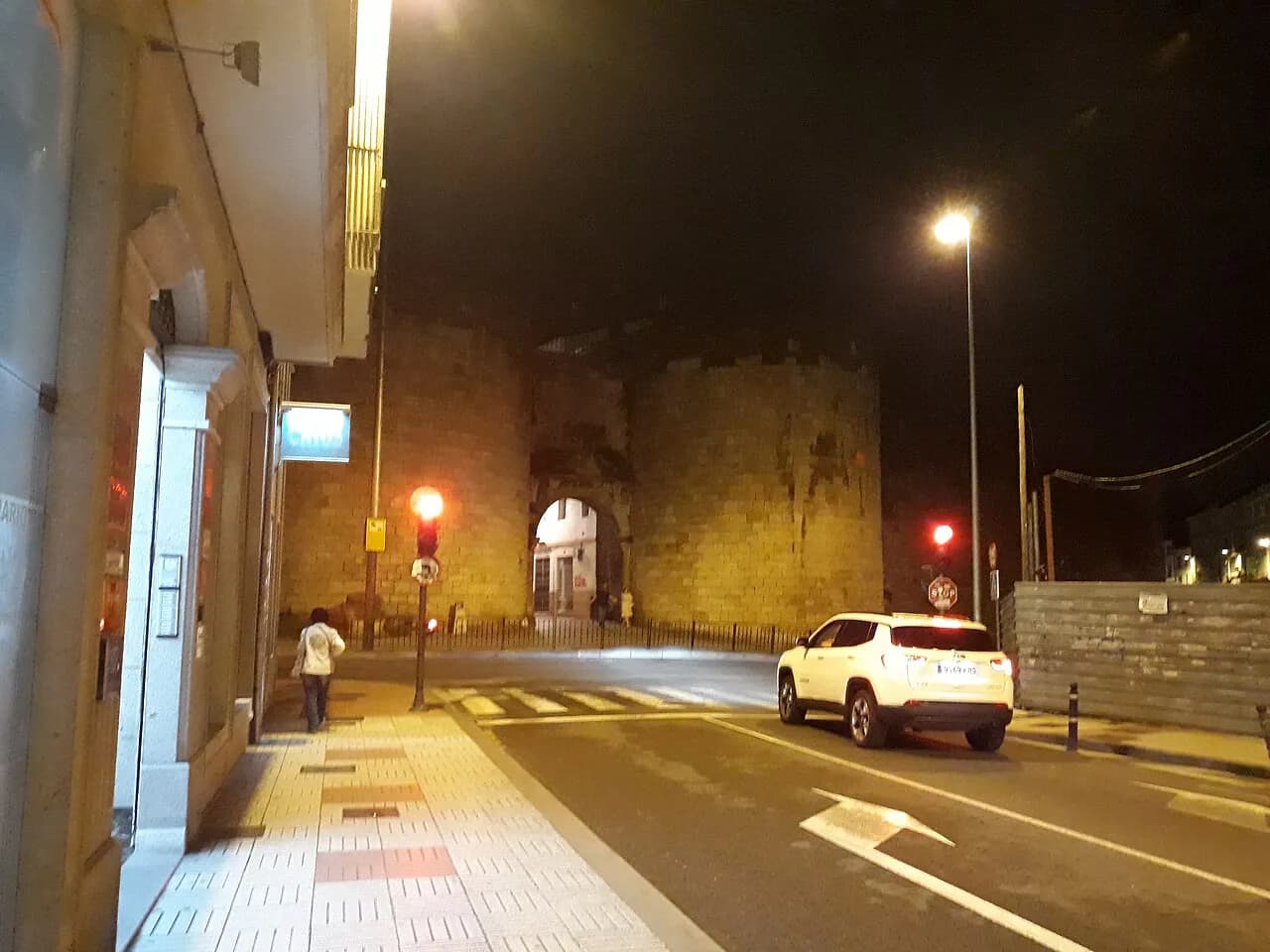
Last updated September 2026, this guide covers the Arde Lucus Roman camp and Celtic market pairing that anchors Lugo's biggest weekend of the year. Reenactors pitch legionary tents and Castro settlements along the Roman Walls, while artisans fill a market square with leatherwork, jewelry, and Roman-style street food. Two pillars carry the festival: the living military camps and the Macellum market, both covered below with locations, timing, and costume tips.
Arde Lucus Roman Camp and Celtic Market: What to Expect
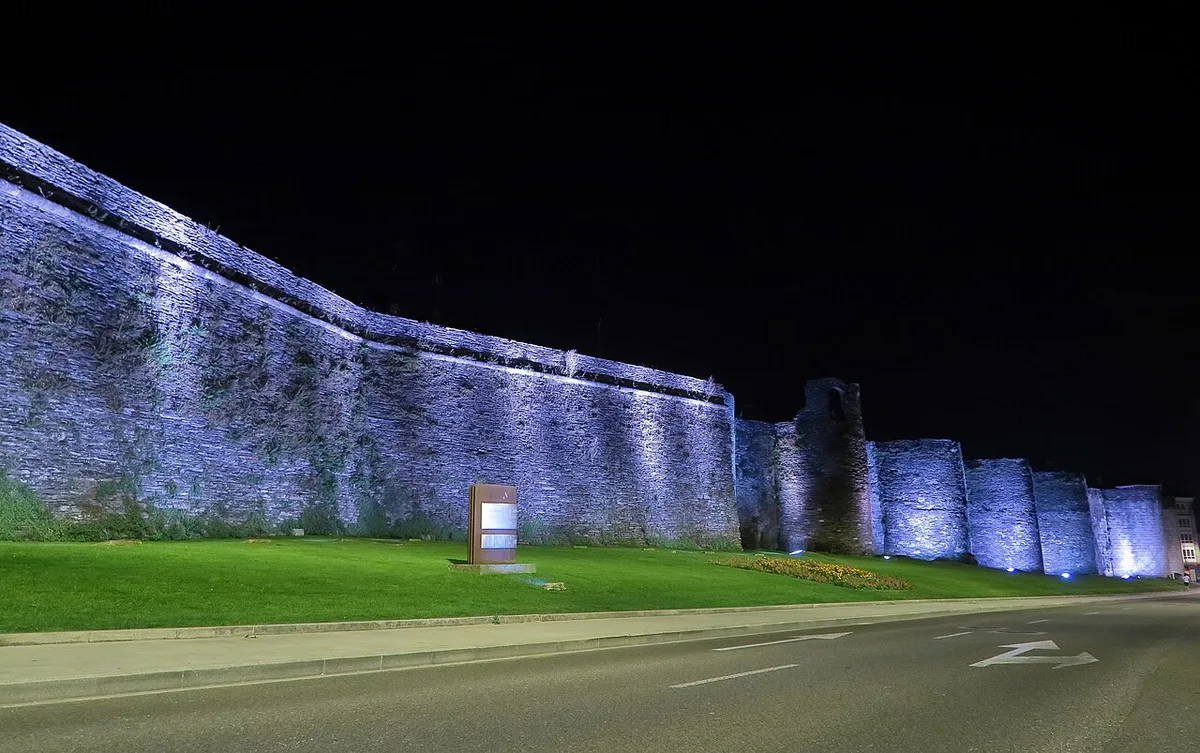
Arde Lucus turns Lugo into a working replica of third-century Lucus Augusti for one weekend, usually in mid-to-late June. Lugo's Roman Walls, a UNESCO World Heritage Site, run for roughly 7,200 feet and rise about 30 feet at their tallest points. Arde Lucus began in 2000, the same year the Walls earned that UNESCO listing. Recent editions have drawn close to 500,000 visitors. That builds on a 2009 turnout of around 460,000 participants, which generated roughly €10 million for the local economy. In 2023, Arde Lucus earned Spain's Fiesta of International Tourist Interest designation. Two elements anchor the weekend: the camps set against the walls, and the Macellum market filling the streets with traders and food stalls. Locals treat the lead-up as a year-round project, refining costumes and camp decorations long before the June dates are confirmed. That effort is why the camps and market feel closer to a lived-in reenactment than a weekend prop rental. For the fuller backstory on how the celebration started, see the festival's Roman origins.
The 7,200 feet of Lugo's Roman Walls can be walked in under an hour, functioning both as a quick festival break and a quieter year-round exploration option.
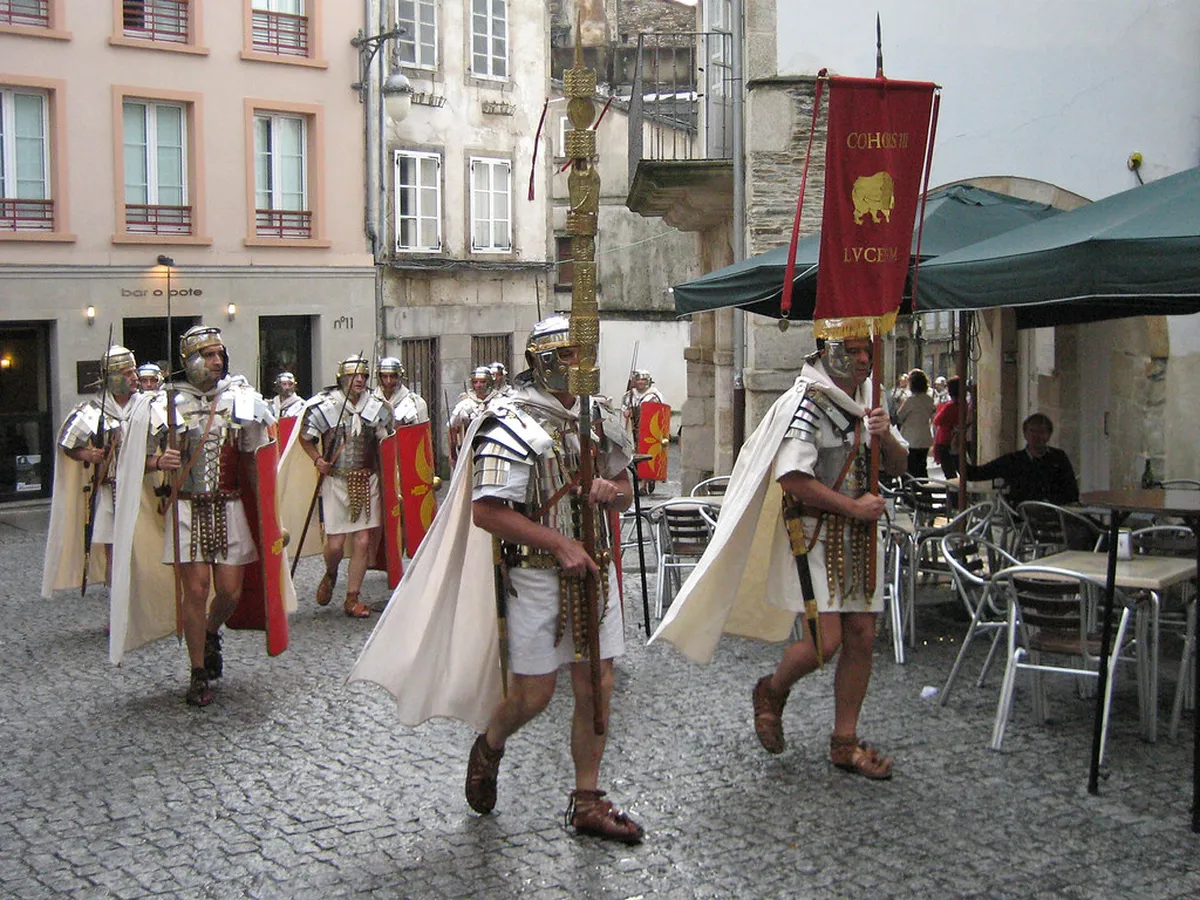
The Macellum: Navigating Lugo's Celtic and Roman Market
Macellum market stalls typically set up around Praza de España, spilling into nearby lanes inside the Roman Walls. Traders sell Galician leatherwork, hand-forged jewelry styled after Roman designs, and pottery alongside the usual festival souvenirs. Wandering performers add magic shows, juggling, and live music between stalls, turning the market into street theater as much as shopping. Vendors mix modern souvenir stalls with recreated Roman goods, so browse both before comparing authenticity and price. Food shifted away from the open-air Comilonum banquet after 2009, when organizers replaced it with Tabernae-style dining based in Praza da Soidade. Comilonum's original format placed communal tables directly along the Roman wall, an open-air banquet style now largely folded into the newer Tabernae setup. Expect Roman-inspired taverns rather than a modern food court. Shared benches and simple set menus recall how street-side inns once served legionaries and traders passing through Lucus Augusti.
- Galician leatherwork and hand-tooled belts
- Roman-style jewelry and reproduction coins
- Pottery and other handmade crafts
- Tabernae-style food stalls instead of a modern food court
Inside the Castra: Roman Military Camps vs. Castro Settlements
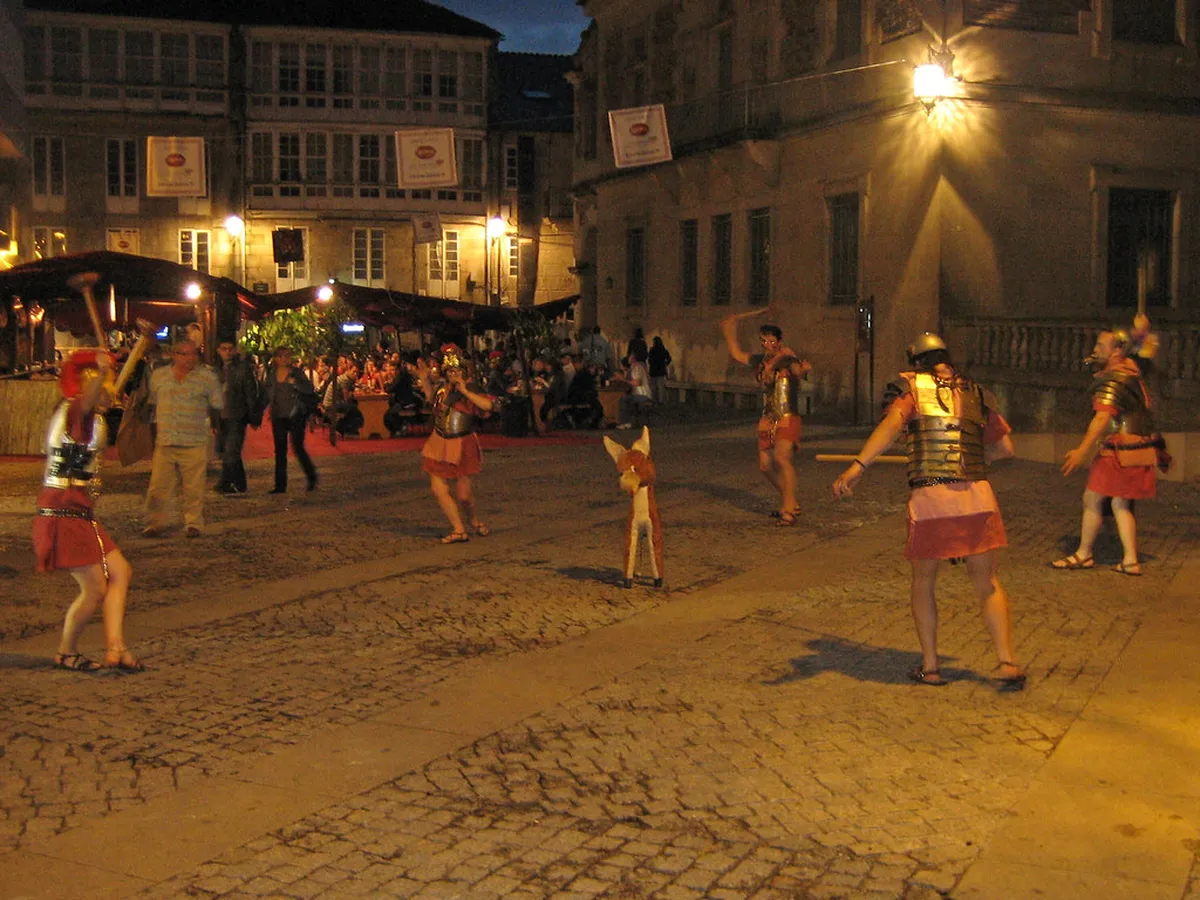
Local reenactment associations build and staff every camp inside the walls, most recently along the Carril das Estantigas. Cohors III Lucensium anchors the Roman legionary camps, running drills, marching formations, and weapons demonstrations throughout the weekend. Castro-themed camps recreate the indigenous Celtic settlements that predate the Roman conquest, staffed by associations with Celtic-rooted names such as Trebas Galaicas and Tir Nan'og. Additional associations, including Terra Copora and Ludlum, contribute performers and demonstrations across both camp types over the weekend. Assemblearias de Lucus Augusti, founded in 2012 by Dr. Cristina Arias Rey and ten co-founders, is the festival's first women-only association. Participants in both camp types live on-site for the weekend, sleeping, cooking, weaving, and forging metal the way their third-century counterparts would have. Camp residents cook over open fires, mend gear between shows, and answer visitor questions in character. Visiting is free. Walk between camps to compare a legionary's iron gear with a Castro weaver's loom, and ask reenactors questions between scheduled drills.
Key Reenactments: Roman Circus, the Burning of the Walls, and Celtic Weddings
Roman Circus shows run in Parque de Rosalía, near the historic center, with gladiator fights and chariot races staged the way ancient Lucus Augusti would have staged them. Quadriga-style chariot races headline the circus program alongside staged gladiator combat, both modeled on accounts of the ancient Roman circus. Tickets are typically required for circus seating, unlike the free camps and market. After dark, the Burning of the Walls recreates the Roman siege of the city, with associations and volunteers staging combat before a fireworks finale over the ramparts. The wall-burning show restages the historical siege that once threatened Lucus Augusti, drawing some of the festival's largest nighttime crowds. Celtic weddings draw curious first-timers who assume the ceremony works like a modern civil registry, but the rite runs on its own calendar.
- Year one: the rite binds the couple for twelve months under Celtic custom.
- Renewal: the bride decides each year whether to continue the union.
- Permanence: seven consecutive renewals make the marriage permanent.
- Paperwork: organizers issue a wedding certificate after every ceremony.
Roman Camp or Castro Camp: What Sets Them Apart
Roman and Castro camps sit close enough to visit both in an afternoon, but they read very differently on the ground. In our editorial assessment, the Roman camps feel closer to a working military barracks, while the Castro camps read as a lived-in Iron Age village. Use the table below to decide which side of the wall to explore first, then match your costume choice to whichever camp draws you back for a second look.
| Feature | Roman Camp | Castro Camp |
|---|---|---|
| Lead associations | Cohors III Lucensium | Trebas Galaicas and Tir Nan'og |
| Costume | Togas and legionary armor | Celtic and Castro-style tunics |
| Camp activities | Weapons drills and marching formations | Weaving and metalworking demonstrations |
| Signature ritual | Roman-style weddings and military instruction | Celtic weddings with the seven-year renewal rule |
Practical Planning: Costumes, Timing, and Where to Stay
Dressing up is not a costume-party add-on; it is the mechanism that turns a spectator into a participant. Reenactors and market vendors treat visitors in tunics differently from visitors in street clothes, waving them into photos, games, and camp demonstrations. A handful of shops inside the walled old town stock simple tunics, sandals, and Celtic-style jewelry in the weeks before the festival. Stock and shop names change year to year, so check current listings closer to your visit. Skip sneakers and rubber soles if you rent a costume: modern shoes under a toga are the fastest way to look like a tourist instead of a legionary. Daytime hours suit families best, when the market and camps run open demonstrations without the crowds or noise of the evening program. Burning of the Walls, with its fireworks finale, runs late and draws the densest, loudest crowds. Pair that show with a later hotel check-in or a rest beforehand for younger visitors. Reserve a spot for a Tabernae-style dinner sitting if the venue takes bookings, since walk-up seating disappears fastest during peak dinner hours. Confirm exact 2026 dates on the official Arde Lucus website before booking, since the festival's weekend shifts slightly year to year within its usual mid-to-late June window. Lugo is a compact city, and a weekend that regularly pulls in several hundred thousand visitors fills every central hotel and guesthouse fast. Book accommodation months ahead rather than weeks, and look just outside the old town walls if central rooms sell out. If Arde Lucus is one stop on a longer Galician summer trip, cross-check dates against the region's summer festival calendar first. Santiago's summer apostle festival falls in a similar window. So does Ortigueira's Celtic music festival, further up the Galician coast.
Mistakes to Avoid at Arde Lucus
A few avoidable mistakes account for most of the frustration visitors report after Arde Lucus. Skipping dinner reservations tops the list, since restaurants inside and around the walls book out weeks in advance for festival weekend. Costume rentals paired with sneakers or rubber-soled shoes break the illusion faster than any prop ever could. Many visitors also miss the chance to walk the top of the Roman Walls during the daytime parades, one of the few windows when the walkway stays open above the crowds below. A short list below covers the fixes.
- Book restaurant tables at least two to three weeks ahead of the festival weekend.
- Pair any rented tunic or toga with sandals, not sneakers.
- Walk the wall-top route during a daytime parade before the evening crowds arrive.
- Remember that only the Roman Circus needs a ticket; the market and camps stay free.
- Reserve lodging months, not weeks, ahead given the weekend's typical turnout.
- Treat the weekend as a multi-day program rather than a single rushed afternoon.
Beyond the Festival: Roman Lugo Year-Round
Arde Lucus lasts one weekend, but Lugo's Roman layer stays open all year inside the same walls. Inside those same walls, the historic center holds the Cathedral and the Archbishop's Palace, both part of the same Roman-era core. The Town Hall and landscaped squares inside the walls round out a walk that takes less than a day. Other Roman-era sites in the old town, including the Roman Baths and the provincial museum, fill out a full day of sightseeing once the festival tents come down. Check current hours locally since museum and bath schedules shift by season. Lugo's restaurant scene earns a reputation within Spain for fresh fish and well-prepared meat, so a post-festival meal is worth planning even outside the Tabernae tents. Galicia's official tourism board profiles the Roman Walls of Lugo as one of the region's defining UNESCO sites. Walking the full 7,200-foot loop takes under an hour outside festival crowds, giving a quieter version of the same vantage point parade-goers use during Arde Lucus weekend.
Pair this with our broader Lugo tourism attractions guide for the full city overview.
Frequently Asked Questions
When does Arde Lucus take place in 2026?
Arde Lucus runs over a weekend in mid-to-late June, following its usual annual pattern. Exact 2026 dates shift slightly year to year, so confirm them on the official festival website before booking flights or hotels.
Do you need a costume to attend Arde Lucus?
No, entry to the market and camps does not require a costume. Dressing in a simple tunic or toga does change the experience though, since reenactors treat costumed visitors as participants rather than onlookers.
Where is the Macellum market, and are the camps nearby?
Market stalls for the Macellum typically cluster around Praza de España inside the old town. Military and Castro camps sit separately along the Roman Walls, most recently along the Carril das Estantigas. Plan a short walk between the two.
How does the Celtic wedding ceremony work at Arde Lucus?
Under Celtic custom, the rite binds a couple for one year. Each year, the bride decides whether to renew it. Seven consecutive renewals make the union permanent, and organizers issue a certificate after every ceremony.
Is Arde Lucus free to attend?
Entry to the market and camps costs nothing. Its Roman Circus show, with gladiator fights and chariot races in Parque de Rosalía, typically requires a paid ticket.