
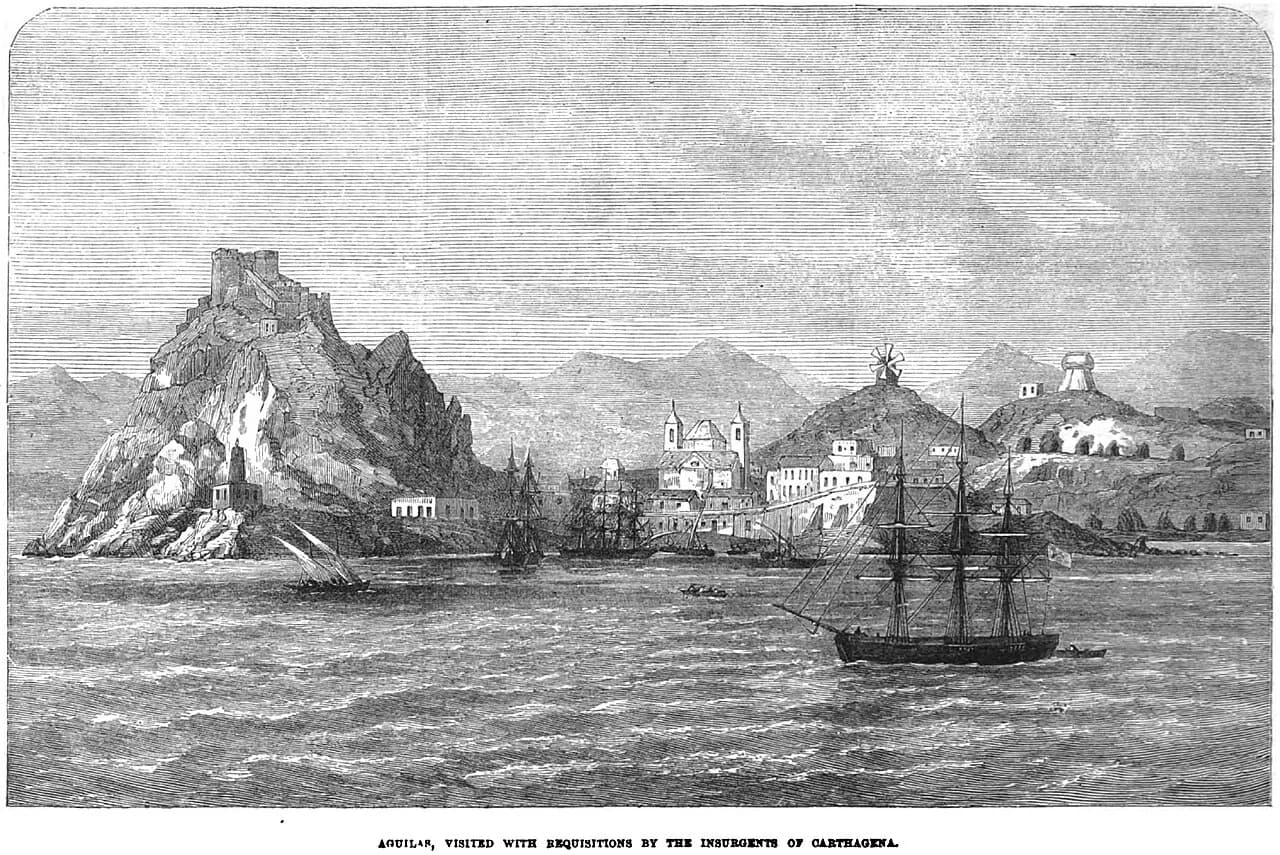
Last updated August 2026: Carnaval de Águilas turns this Murcia fishing town into a stage for costumed battles, confetti-filled eggs, and street theater that runs past midnight. It earned Fiesta de Interés Turístico Internacional status in 2015, the same distinction held by the carnivals of Cádiz and Santa Cruz de Tenerife. This guide breaks down the four central characters, the day-versus-night split, and the tickets worth booking before the next edition.
What Is Carnaval de Águilas?
Águilas sits on Murcia's Mediterranean coast, and for two weeks each year its old town reorganizes itself around costumes, parade routes, and a shared drink called La Cuerva. Official recognition backs up the scale: the official Águilas tourism site confirms Fiesta de Interés Turístico Internacional status, awarded in 2015. That ranking places Águilas alongside Cádiz and Santa Cruz de Tenerife, among the few Spanish carnivals with the same national status. Águilas' most recent edition ran January 31 to February 28, 2026, and the Region of Murcia tourism authority lists the next dates as January 30 to February 13, 2027. Exact dates shift every year because Carnaval is tied to the movable date of Lent, so confirm the calendar before booking travel. Official festival news has reported crowds above 200,000 for the Saturday parade in past editions, a scale that puts Águilas closer to Spain's largest carnivals than its modest town size suggests.
Carnival's maritime traditions—the Regata de Carnaval and Trofeo Estrella de Levante—reached their 24th and 13th editions respectively in 2026, anchoring the festival to Águilas' fishing-port heritage rather than carnival spectacle alone.
The Four Characters Who Drive the Story
Four elected characters lead Carnaval de Águilas each year, chosen every August, and all four shape the two weeks that follow. Crowds gather in Plaza de España chanting for her arrival during the Suelta de la Mussona, the character's release from the castle dungeons that opens Carnaval week.
- La Musa: the festival's master of ceremonies, crowned for wit and stage presence, visible at nearly every parade and gala.
- Don Carnal: the embodiment of indulgence, granted one week of rule before his symbolic defeat at the close of Carnaval.
- Doña Cuaresma: the embodiment of restraint and Lent, who defeats Don Carnal in a staged debate on the Saturday of Carnaval.
- La Mussona: a half-human, half-animal figure dressed in esparto grass, shells, and other natural materials, released from the Castillo de San Juan de las Águilas on Jueves Lardero and led on foot to Plaza de España by a tamer figure.
Carnaval Week, Day by Day
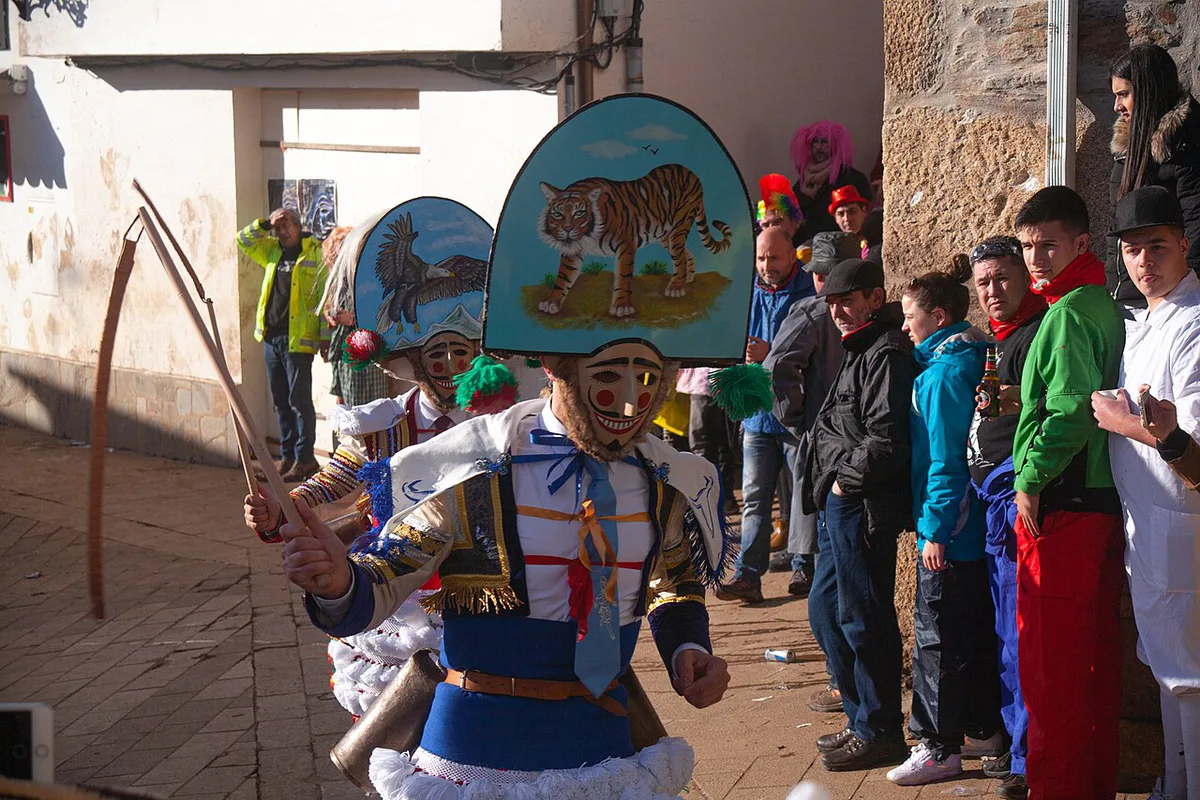
Carnaval unfolds across roughly two weeks, and the daily rhythm matters more than any single event when you're building an itinerary.
| Day | What Happens |
|---|---|
| Thursday (Jueves Lardero) | Suelta de la Mussona: release from Castillo de San Juan de las Águilas to Plaza de España |
| Friday | Children's Guerra de los Cascarones and Musa infantil pregón |
| Saturday | Adult Guerra de los Cascarones, Musa pregón, and the mayor's and guest pregonero's speeches |
| Sunday, Monday, Tuesday | Main parades (Desfiles) from Avenida Juan Carlos I toward the historic center |
| First Friday of Lent | Parade featuring visiting peñas from other towns |
| First Saturday of Lent (Sábado de Piñata) | Final parade, Quema de Don Carnal, fireworks, and Águilas Dorada awards |
Carnaval de Día vs Carnaval de la Noche: Choosing Your Experience
Águilas effectively runs two separate carnivals under one name, and mixing up their rhythm is the most common planning mistake among first-time visitors. Families and first-timers who want a predictable schedule should default to the Day parades, while returning visitors comfortable in costume should prioritize the first Monday night.
| Aspect | Carnaval de Día | Carnaval de la Noche |
|---|---|---|
| What it is | Choreographed parades staged by local peñas, costumes built over a year | Spontaneous street theater and satire performed by costumed residents |
| Best for | Families and spectators who want a fixed spot to watch from | Solo travelers and groups who want to dress up and join in |
| Peak time | Sunday, Monday, and Tuesday parades, plus the closing Sábado de Piñata | The first Monday night of Carnaval, centered on Plaza de España |
| Costume rule | Optional for spectators | Effectively required; plain clothes stand out and miss the point |
Key Events You Shouldn't Miss
Five named events round out Carnaval de Águilas beyond the four characters and the day-night split.
- Guerra de los Cascarones: a scripted battle fought with hollowed, confetti-filled eggs; the children's version runs Friday, the adult version Saturday, both in Plaza de España.
- Concurso de Trajes de Papel: the paper costume contest moves indoors, per the Region of Murcia tourism authority, because the fragile materials need a controlled space and a separate ticket.
- Gala Drag Queen: a long-running contest that recently crowned Drag Perseida as its winner, according to official festival news.
- Regata de Carnaval and Trofeo Estrella de Levante: the maritime event reached its 24th and 13th editions respectively in 2026, tying Carnaval to the town's fishing-port identity.
- Quema de Don Carnal: the closing bonfire and fireworks on the Sábado de Piñata, followed by the Águilas Dorada awards for costumes, floats, and choreography.
Tickets, Seating, and Where to Watch
Watching the parades from the street is free, and it is how most visitors experience Carnaval de Águilas. Reserved seating through the official site's Venta de Sillas listing guarantees a spot along the route for the roughly four-hour procession. Venta de Entradas Galas covers indoor shows instead: the paper costume contest, the drag queen gala, and the changing-of-powers ceremony all sell tickets separately from street seating. Check the official Águilas site for exact 2027 pricing and on-sale dates. Both ticket types tend to go on sale in the weeks before Carnaval and can sell out for the Saturday and Sunday parades.
Where to Eat, Drink, and Sleep
La Cuerva is Águilas' signature Carnaval drink, made from wine and mixed fruit, and it appears at food stalls, peña gatherings, and family tables throughout the two weeks. Trying a glass at a street stall or a peña stand is as close to a required ritual as Carnaval gets. Finding a room inside Águilas for the closing weekend is the hardest part of planning a trip. Locals and returning visitors book many months ahead. Hotel inventory in town is limited relative to the crowds the Saturday parade draws, and rates tend to climb accordingly. Nearby Lorca and the city of Murcia both sit within day-trip range. Both tend to have more available rooms, at lower relative cost, during peak Carnaval weekends. That extra availability comes with a longer drive or bus ride back after the parades run late. Murcia's regional tourism authority lists both towns alongside Águilas in its event listings, useful for comparing lodging before you commit to a base.
Mistakes to Avoid and Insider Tips
Águilas rewards visitors who plan around its rhythm rather than fight it, and five recurring mistakes account for most bad experiences.
Because Lent dates shift yearly—January 31 to February 28, 2026 versus January 30 to February 13, 2027—confirm the carnival dates as soon as official announcements arrive before booking accommodation, since even small date shifts force rebooking.
- Skipping a costume: the Night Carnival is participatory, and plain clothes stand out on the first Monday, when the streets around Plaza de España fill with costumed crowds.
- Arriving too early: parades and street theater build steadily and run late, so pace your night rather than showing up at the first sign of activity and burning out.
- Driving into the old town: central streets close for the parades and parking fills fast; check regional bus operators for Carnaval-specific schedules before you plan a car route.
- Booking accommodation late: rooms inside Águilas for the closing weekend go first, months ahead of the event, well before dates for the next edition are even confirmed.
- Skipping the video archive: the official festival site's video section shows past Suelta de la Mussona, parade, and gala footage, useful for previewing the scale of the choreography before you travel.
Águilas vs Carnaval de Las Palmas: Two Carnival Styles
Spain's Mediterranean coast and the Canary Islands both host February carnival traditions, but the two events feel different on the ground. Carnaval de Águilas centers on scripted battles and character mythology, with the four leads driving a two-week narrative arc from the Suelta de la Mussona to the Quema de Don Carnal. Carnaval de Las Palmas takes a different approach, built around large-scale galas and Atlantic Ocean staging instead. Full ticketing and dates for that carnival live on the Las Palmas carnival's official site, separate from Águilas. Broader island logistics appear on the Gran Canaria tourism board site, useful for travelers planning that leg separately. Travelers deciding between the two should weigh the mainland's compact, walkable old town against the island's larger-scale production, since both run on their own calendars tied to the same movable Lent window.
Accessibility and Moving Around During Carnaval
Carnaval is manageable for many visitors, but the busiest events can be difficult in Águilas’ compact centre. Plaza de España, the streets below Castillo de San Juan de las Águilas, and the parade finish become very crowded after dark. Cobblestones, kerbs, confetti and slow-moving costume crowds can complicate wheelchair use or anyone needing a steady route.
For the main Desfiles, choose reserved sillas along Avenida Juan Carlos I instead of relying on a street-level view. It offers a fixed place and avoids repeated moves through the densest crowds. Ask the official ticket outlet or Ayuntamiento de Águilas about accessible seating before tickets go on sale.
- Arrive well before the route closes and keep a clear meeting point.
- Use daytime parades for easier visibility and less intense crowding.
- Avoid driving into the old town on parade evenings; closures can make drop-off difficult.
For the Night Carnival, stay near the edge of Plaza de España and leave before the crowd reaches its peak.
Frequently Asked Questions
When is Carnaval de Águilas in 2027?
Murcia's regional tourism authority lists the next edition for January 30 to February 13, 2027. Dates move every year with the timing of Lent, so confirm the calendar before booking transport.
What is the difference between Carnaval de Día and Carnaval de la Noche?
Carnaval de Día refers to the choreographed parades staged by local peñas, judged on costumes, floats, and choreography. Carnaval de la Noche is the spontaneous, participatory side of the festival, centered on Plaza de España and at its most intense on the first Monday night.
Do you need a ticket to watch Carnaval de Águilas?
Watching the parades from the street is free. Reserved seating through the Venta de Sillas and indoor gala shows through Venta de Entradas Galas both require separate paid tickets, sold on the official site ahead of each edition.
Where should you stay if Águilas hotels are full?
Lorca and the city of Murcia both sit within day-trip range and tend to have more available rooms during peak Carnaval weekends. Expect a longer drive or bus ride back after parades that run late into the night.
What is La Cuerva?
La Cuerva is Águilas' traditional Carnaval drink, made from wine and mixed fruit. It is sold at food stalls and peña gatherings throughout the two weeks of the festival.
What are cascarones?
Cascarones are hollowed eggshells filled with confetti, thrown during the Guerra de los Cascarones battle between Don Carnal and Doña Cuaresma. The children's battle runs on Friday and the adult battle on Saturday, both in Plaza de España.