Last updated July 2026, this guide covers hogueras de san juan alicante for the 2027 festival, set for June 20-24. Alicante trades Semana Santa's solemn processions for satirical monuments and a daily mascletà at Plaza de los Luceros. A midnight Cremà then burns the whole display down, and this guide maps the calendar, the food, and where to stand for it.
Hogueras de San Juan Alicante: Origins and Recognition
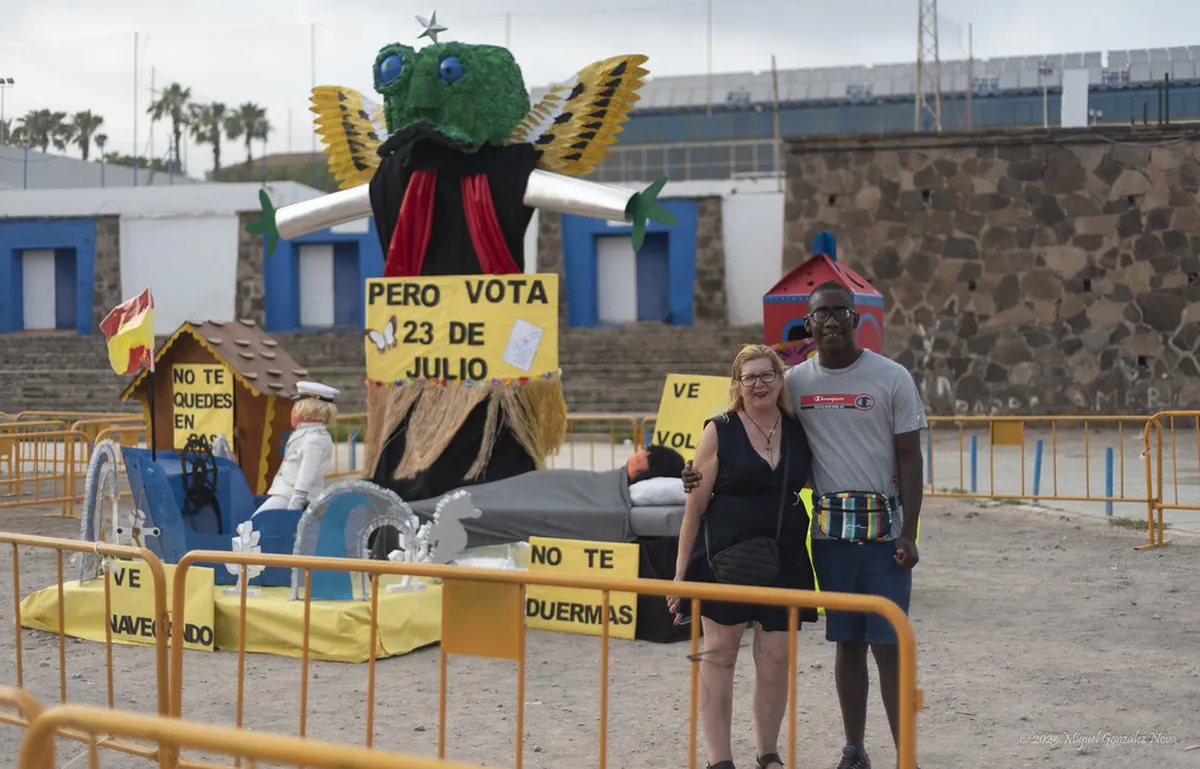
Alicante's Hogueras de San Juan runs each year from June 20 to June 24, with related events starting in early June. The tradition began with a much older custom: burning old furniture and unwanted household items on Saint John's Eve, June 24, to mark the summer solstice. That bonfire custom spans much of Spain's Mediterranean coast, including Catalonia and Galicia. Alicante's version grew into monumental sculpture starting in 1928, when local figure José María Py combined the bonfire custom with Valencia's Fallas format. Each hoguera's ninots typically poke fun at current events and public figures, continuing the satirical spirit inherited from that Fallas tradition. Spain declared the festival a Festival of International Tourist Interest in 1983, and it became a Bien de Interés Cultural in 2014. That designation is a formal Spanish government recognition, not just a local title. Compared with Valencia's Fallas, Alicante's version unfolds in the heat of the solstice rather than in March, and pairs its monuments with beach rituals unique to this stretch of coast. For a sense of scale by comparison, Semana Santa in Málaga draws similarly dense crowds, though around a religious calendar rather than a solstice one. The wider Alicante province stages its own fire-and-costume tradition with Moros y Cristianos in Alcoy each year. Elche, also in Alicante province, contributes the Misteri d'Elx mystery play to the region's festival calendar. Outside festival week, the Museu de Fogueres keeps costumes, monument models, and pardoned ninots on permanent display. Confirm current hours and location before visiting, since venue details can shift year to year.
The 2026-2027 Calendar: Plantà to Nit de la Cremà
Hogueras de San Juan follows the same fixed window every year: June 20 to June 24, with the 2027 edition set for those same dates. Early June brings the pregón, the festival's opening proclamation, alongside a Ninot Exhibition and a paella contest. That same early window includes a tribute to deceased foguerers and barraquers, plus the season's first Ninot Parade. The 2026 program's Música per a una Festa listed 1,100 musicians and 25 bands at Plaza de España. From there, the festival builds toward five packed days in the city center.
The mascletà at 2:00 PM runs June 19–24, starting a day before the main festival begins (June 20). The escalating pressure-wave barrage grows intense; position before 2:00 PM when the square fills, keep your mouth open to equalize pressure, and consider earplugs if loud noise usually bothers you.
- June 19-24: Mascletà, 2:00 PM daily, Plaza de los Luceros.
- June 20: La Plantà, when monuments and street ninots go up citywide; coca amb tonyina and bacores are the traditional foods that night.
- June 21-22: Ofrenda de Flores, the flower offering parade to the Virgen del Remedio.
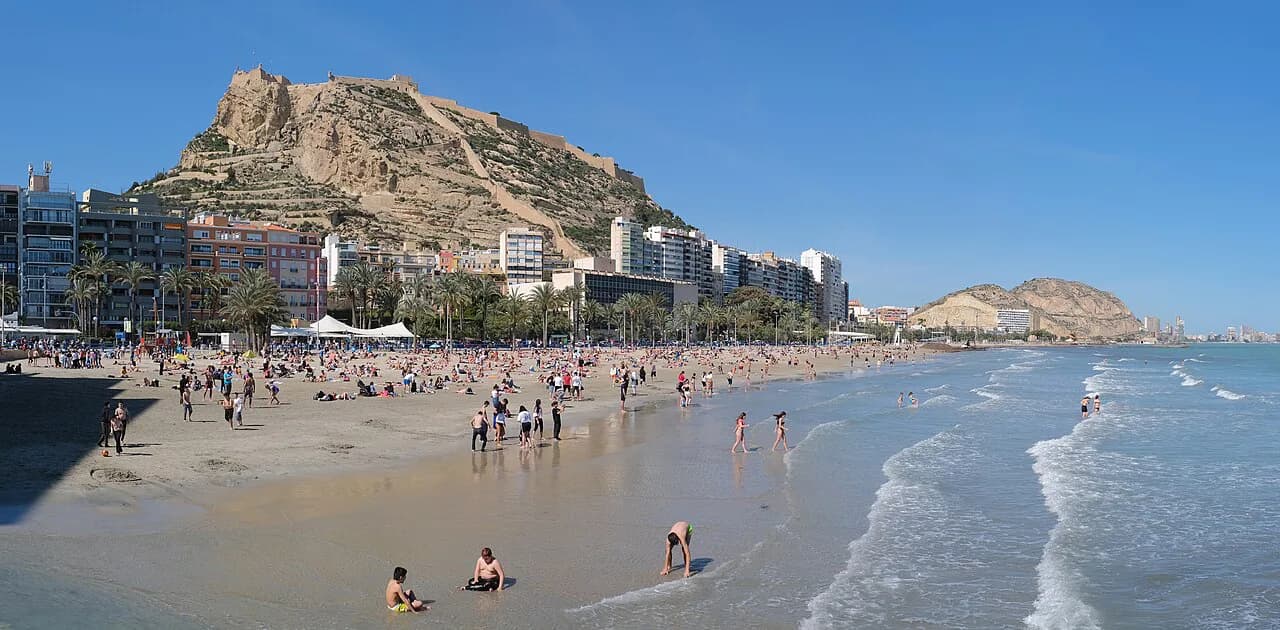
- June 23: International Folklore Parade in the evening, followed by the Noche de San Juan beach bonfires overnight at Postiguet and San Juan beach.
- June 24: Official Hogueras Mass, then just after midnight (the morning of June 25) the Palmera firework launches from Santa Bárbara Castle, immediately followed by the Nit de la Cremà.
- June 25-29: Nightly fireworks competition at Postiguet Beach, midnight, closing June 29 with the Coso Multicolor parade.
Costumes, Ninots, and the Bellea del Foc
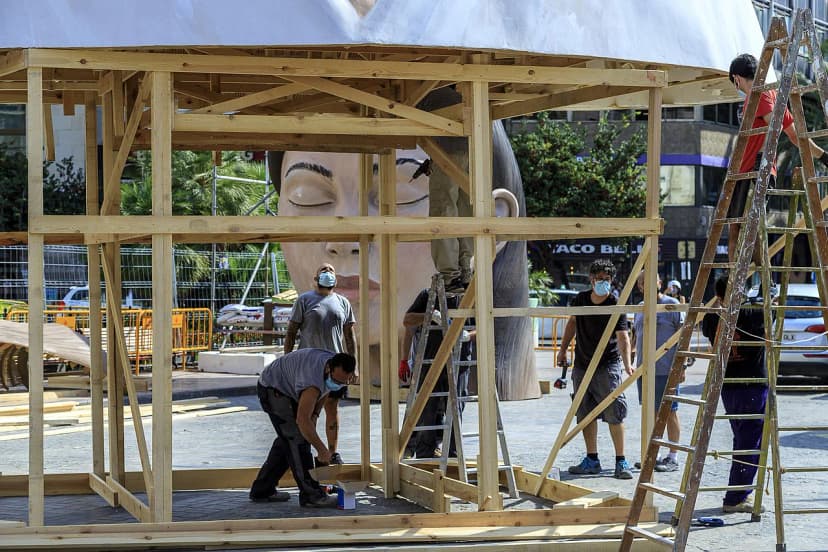
Each hoguera commission puts forward a candidate for Bellea del Foc, the festival's Beauty of Fire. Foguerer and foguerera festival dress follows a set pattern. Men wear fitted zaragüelles trousers with an embroidered vest, while women wear wide fallera-style skirts with a shawl and traditional hair ornaments. The monuments themselves are built from wood, cork, and papier-mâché, and can reach up to 12 meters, about 39 feet, tall. A jury classifies each hoguera into a budget category and judges it on artistic and satirical merit before it burns in the Cremà. Nanos i gegants, giant parade figures, have marched through Alicante's festivities since the 15th century, appearing alongside the traditional Valencian dances known as les danses. Early mornings are the easiest time to see the monuments up close without crowds; both foot traffic and heat build fast once afternoon arrives.
- May: Bellea del Foc contest, choosing the festival's Beauty of Fire ahead of the summer celebrations.
- Autumn: Artistic Competition, a music and dance contest among the commissions.
- December: Christmas Carol Competition, another commission-run event outside festival week.
Mascletà and Cremà: A Sensory Survival Guide
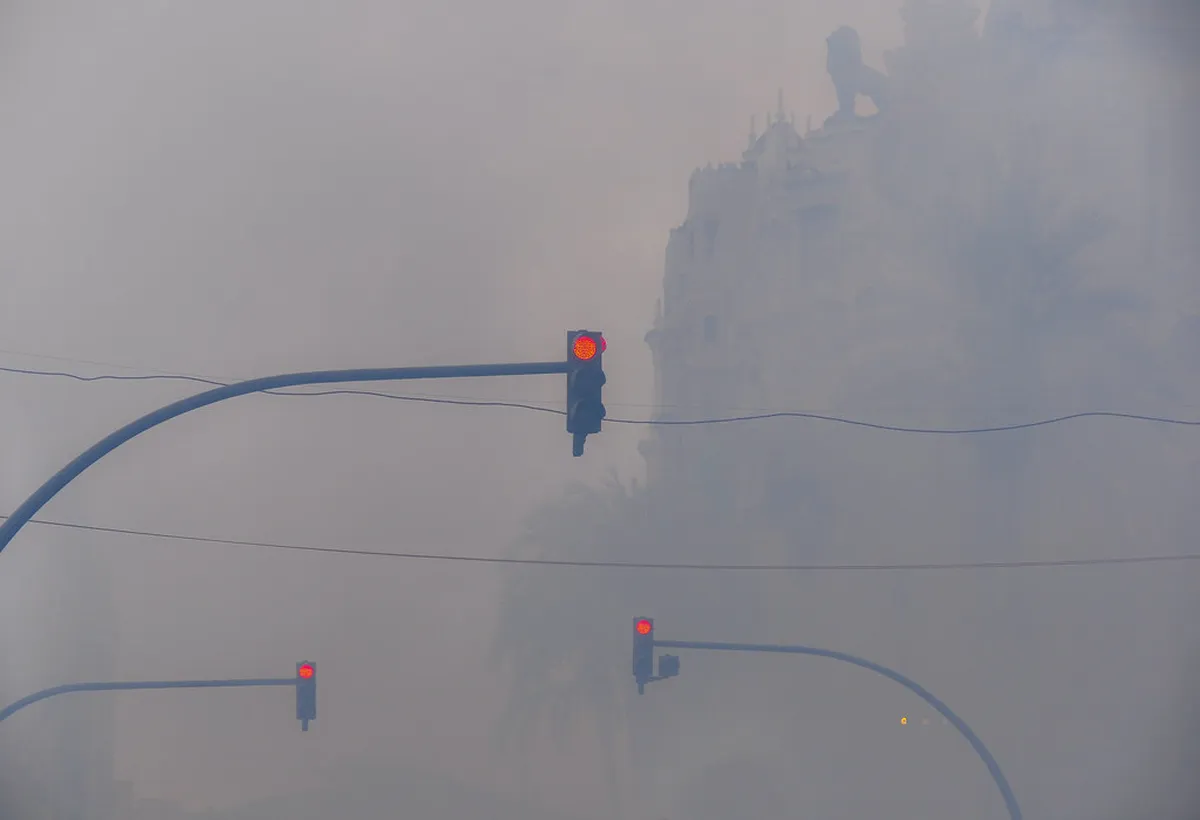
Mascletà translates roughly to a string of firecrackers, but that undersells it. Plaza de los Luceros fills with a rhythmic, escalating barrage of gunpowder charges at 2:00 PM daily, built more around vibration and rhythm than any visual display. Do not clamp your hands over your ears; keep your mouth slightly open instead, so the pressure wave equalizes rather than concussing your eardrums. Earplugs are a reasonable extra step if concussive noise usually bothers you. Daytime temperatures during festival week regularly climb into the heat typical of a Mediterranean June, so carry water and expect the Cremà's radiant heat on top of that baseline warmth. Cremà night intensifies everything. Monuments that stand as tall as 12 meters catch fire fast, and the radiant heat at close range is significant. Firefighters then hose down the crowd once the flames die back, a tradition known as the Banyà. A similar communal drenching plays out at the Batalla del Vino in Haro each summer, though with wine instead of firehoses. Plaza del Ayuntamiento hosts the official Cremà, drawing the festival's largest crowd and its most crowded sightlines. Smaller neighborhood hogueras burn on a similar timetable with far fewer spectators, a better option for anyone who wants to feel the heat without the crush.
What to Eat: Coca amb Tonyina and Bacores
Coca amb tonyina is the festival's signature dish: a thin pastry filled with tuna, onion, and pine nuts. Locals eat it especially on June 20, the night of La Plantà, often paired with bacores, the early-season figs that ripen just in time for the festival. Bakeries and street stalls near the monuments sell coca amb tonyina throughout festival week, so travelers without barraca access can still try it. Barracas are private festival tents with their own dance floors, food, and drink service; racós are the equivalent open, public gathering spots. Both open on the evening of June 20. Neighborhood commissions compete over monument and tent designs with a rivalry not unlike Barcelona's Festa Major de Gràcia. Córdoba runs a comparable neighborhood contest each spring with the patios of Córdoba.
Where to Stay and How to Get Around
Centro, the city center around Plaza del Ayuntamiento and Luceros, puts travelers inside the noise. Despertà wake-up calls hit at 8:00 AM daily, and street parties in the barracas and racós often run past midnight. San Juan Beach trades some of that proximity for a quieter night's sleep, with a short walk to the beach bonfires on June 23. Meliá Alicante and Eurostars Mediterránea Plaza are named among the central hotel options positioned for festival access. Streets close throughout the center for the Plantà, the parades, and the Cremà route, so driving into the center during June 20-24 is best avoided. TRAM service is the better option for getting around, though expect delays near parade times and around midnight on Cremà night. June 24 is an official public holiday in Alicante, and many shops, supermarkets, and other services close for the day. Travelers building a longer Spanish itinerary around early-summer festivals often plan around the San Isidro festival in Madrid as well. Andalusia's own headline festival draws crowds to the Feria de Málaga. That same region hosts the Romería del Rocío pilgrimage, which follows a similarly fixed religious calendar each spring.
After the Cremà: Fireworks Week and the Coso Multicolor
Alicante's festival does not end with the Cremà. From June 25 through June 29, a fireworks competition runs nightly at midnight from Postiguet Beach, near Paseíto Ramiro. International pyrotechnic teams compete over five consecutive nights for the strongest show. Travelers who prefer thinner crowds sometimes plan around this fireworks week instead of the peak Plantà-to-Cremà stretch, trading the citywide monuments for a single nightly show. The historic center also hosts a medieval market and a run of open-air shows during this same week, giving the days after the burning a calmer identity. June 29 closes the whole cycle with the Coso Multicolor parade: confetti, costumes, and music move through the Gran Vía area, a lighter coda after five days of fire and noise.
Safety, Legalities, and Mistakes to Avoid
Beach bonfires during Hogueras are only legal in designated zones, specifically Postiguet and San Juan beach. Lighting an unauthorized fire elsewhere carries real legal risk, especially given how dry the Mediterranean coast gets by late June. Stick to the sanctioned beaches for the Noche de San Juan rituals on June 23.
Monuments reaching 12 meters catch fire rapidly, sending sparks and intense heat across the plaza—this is why natural fibers matter and wearing synthetics poses real fire risk. Smaller neighborhood hogueras beyond Plaza del Ayuntamiento's official burn site offer similar fire intensity with fewer crowds, making them a safer alternative for the experience you seek.
- Arriving at Plaza de los Luceros right at 2:00 PM for the mascletà, when the square has already filled.
- Wearing synthetic fabrics to the Cremà, where sparks and radiant heat make synthetic clothing a real fire risk.
- Booking a Centro hotel room and expecting quiet sleep between June 20 and 24, when despertà wake-up calls hit at 8:00 AM and street parties run past midnight.
- Covering your ears with your hands during the mascletà instead of keeping your mouth slightly open to equalize the pressure.
- Driving into the center during festival days, when Plantà, parade, and Cremà closures make TRAM service the more reliable option.
- Skipping a waterproof phone pouch before the Banyà or the Noche de San Juan beach rituals on June 23.
How to Visit the Museu de Fogueres
The Museu de Fogueres occupies the ground floor of Casa de la Festa at Rambla de Méndez Núñez 29. Its entrance is near the corner with Carrer del Tinent Álvarez Soto, within walking distance of Alicante’s historic center.
The collection explains how the festival developed from neighborhood bonfires into today’s monument competition. Displays include historic posters, traditional clothing, scale models, and ninots saved from the Cremà by public vote. These pardoned figures offer a close look at details that are difficult to see during crowded festival days.
The museum is especially useful before La Plantà because it explains judging categories, commission traditions, and the role of the Bellea del Foc. Alicante City Council currently lists the museum as temporarily closed. Check the council’s official museum page before planning a visit, since reopening information and operating hours may change.
For trip-planning details, see Hogueras de San Juan official source and Alicante / regional tourism authority.
Frequently Asked Questions
When does Hogueras de San Juan take place in Alicante?
The main festival runs June 20 to June 24 each year, with the 2027 edition scheduled for those same dates. Daily mascletà sessions start a day earlier, on June 19, and the post-festival fireworks competition at Postiguet Beach continues through June 29.
What is the difference between the Mascletà and the Cremà?
Mascletà is a daytime, 2:00 PM show built around rhythmic gunpowder noise and vibration rather than visual fireworks. Cremà is the nighttime finale on June 24 into June 25, when the monuments themselves burn after the Palmera firework display from Santa Bárbara Castle.
Where is the best place to watch the Cremà?
Plaza del Ayuntamiento hosts the official Cremà and draws the largest, most crowded viewing. Smaller neighborhood hogueras burn on a similar schedule with far fewer spectators, a better choice for anyone who wants to skip the crush.
Is it legal to light a bonfire on the beach during Hogueras?
Only in designated zones, specifically Postiguet and San Juan beach. Fires lit outside those sanctioned areas are against the rules, particularly given the dry conditions typical of late June on the Mediterranean coast.
How many days should travelers plan for Hogueras de San Juan?
Plan for the full June 20-24 window if the goal is to see the Plantà, the Ofrenda, and the Cremà. Arriving a day early, before June 20, also gives time to see the monuments without the peak-week crowds.
What should travelers pack for Hogueras de San Juan?
Loose, natural-fiber clothing works better than synthetics near the Cremà's sparks and heat. A refillable water bottle helps with the daytime heat, and a waterproof phone pouch protects electronics during the Banyà and the Noche de San Juan beach rituals.