
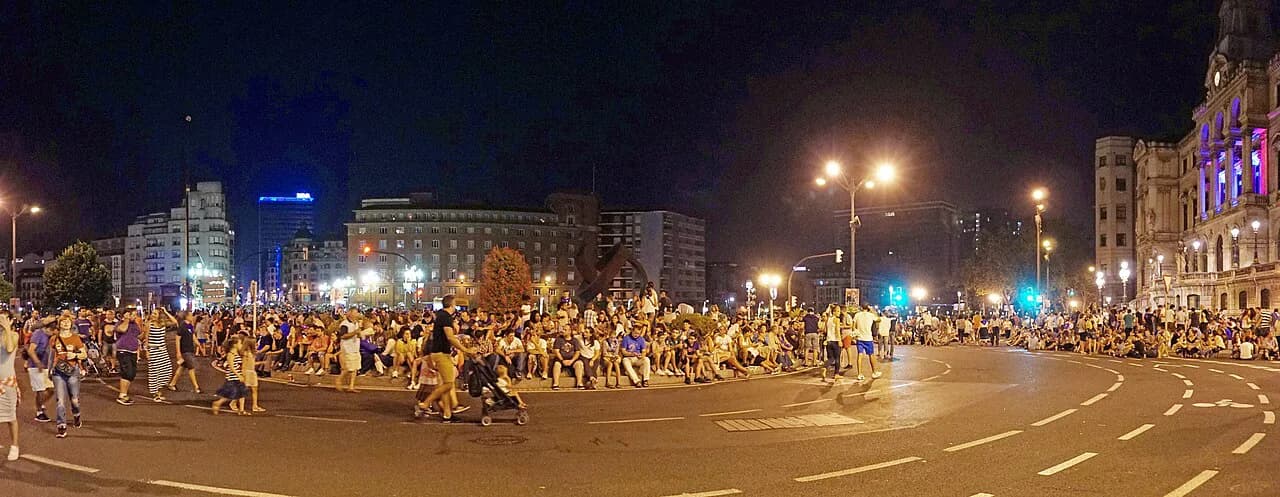
Last updated July 2026: Aste Nagusia Bilbao is the Basque Country's largest street festival, filling Casco Viejo and the riverside for nine straight days. The 2026 edition runs Saturday, August 22 through Sunday, August 30, opening with a rocket launched from Teatro Arriaga's balcony. Free txosna tents, nightly fireworks, and folk dancing in Plaza Nueva set the daily rhythm, and this guide covers where to be and when.
What Is Aste Nagusia Bilbao? The Basque Country's Nine-Day Great Week
Aste Nagusia means Great Week in Basque, and locals also call it Semana Grande. It is Bilbao's largest annual festival, and it has run every year since 1978. That year, the city council and a coalition of neighborhood groups agreed on a participatory model after a public contest of ideas. Those groups, known as konpartsak, still co-organize the festival today through a federation called Bilboko Konpartsak. Currently 28 troupes belong to the federation, including long-running names like Bizizaleak, Hontzak, and Txomin Barullo. The same groups also run Bilbao's Carnival and the Santo Tomás Fair in December. Severe flooding on the Nervión-Ibaizabal river forced organizers to suspend the 1983 edition entirely. The festival also paused in 2020 and 2021 because of the COVID-19 pandemic. In 2009, a public vote by The International Bureau of Cultural Capitals named Aste Nagusia one of Spain's 10+2 Intangible Cultural Heritage Treasures. Casco Viejo, Bilbao's Old Town, remains the festival's epicenter, though events spread across both banks of the river.
Aste Nagusia Bilbao 2026 Dates and Schedule
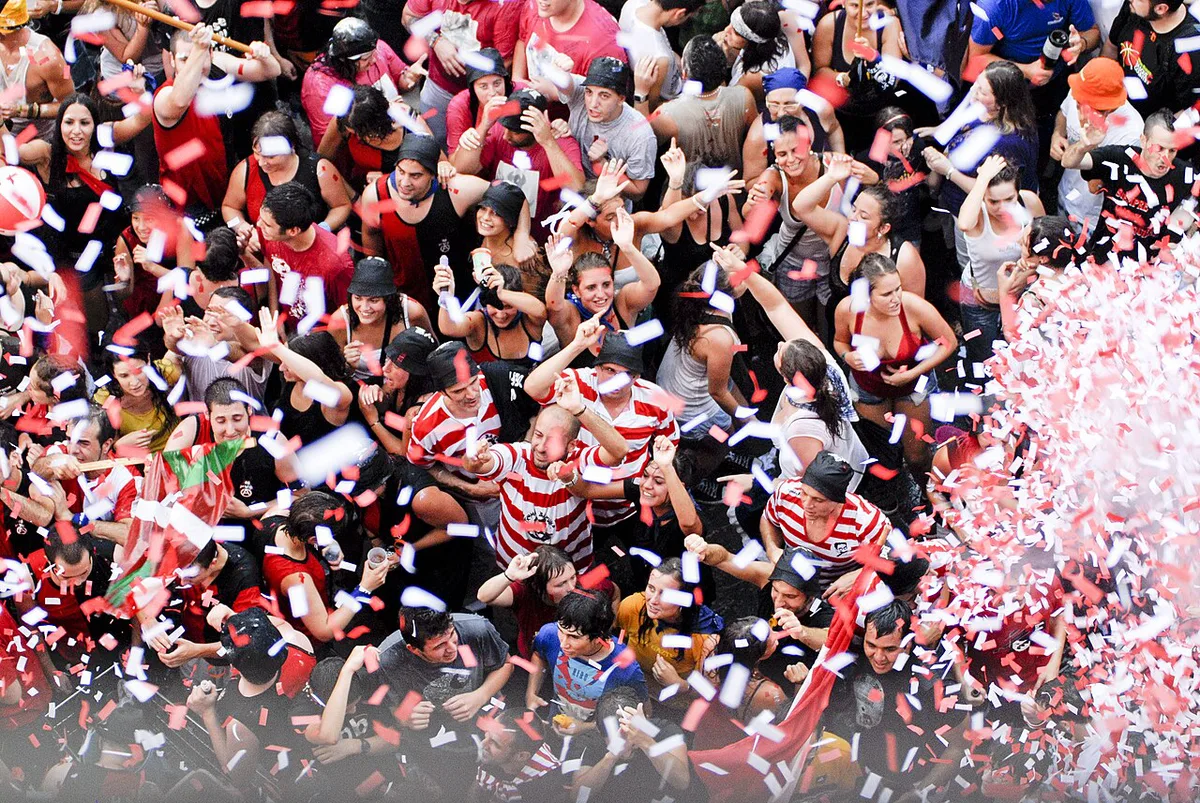
Aste Nagusia always starts on the first Saturday after August 15, the Catholic feast of the Assumption. That fixed rule lets you plan years ahead even though the calendar date shifts annually. For 2026, the festival runs nine days, from Saturday, August 22 through Sunday, August 30. Expect the biggest crowds on opening Saturday. The final Friday and Saturday get loud too, driven by the txupinazo memory still fresh and the approaching Marijaia bonfire. Weekday mornings stay calmer, with folk-dance rehearsals and children's activities dominating the program before the evening crowds arrive.
| Day | What's Happening |
|---|---|
| Opening Saturday, Aug 22 | Txupinazo at Teatro Arriaga; first night in the txosnas |
| Weekdays, Aug 24-28 | Folk dance in Plaza Nueva (except Saturdays); Herri Kirolak exhibitions |
| Every night | International Fireworks Competition at 22:30 |
| Closing weekend, Aug 29-30 | Final concerts at Abandoibarra and the burning of Marijaia |
The Symbols of Aste Nagusia: Marijaia, the Txupinera, and the Pregonero
Three figures anchor Aste Nagusia's identity from the opening rocket to the closing bonfire. Recognizing them makes the festival's rituals easier to follow.
- Marijaia
- The festival's giant mascot figure ushers in the nine days of celebration.
- She presides over Aste Nagusia from a perch above the crowds.
- Her ceremonial burning on the final night marks the official close of the festival.
- The Txupinera
- A young woman chosen by lottery from that year's honored konpartsa launches the opening rocket from Teatro Arriaga's balcony.
- The draw excludes groups that have been selected in recent years.
- She carries a ceremonial rocket-hanger called the botafuego and a makila walking stick, both kept at City Hall between editions.
- The Pregonero
- A prominent figure connected to Bilbao reads the festival proclamation beside the txupinera at the opening ceremony.
- Past pregoneros have included athletes, journalists, and cultural figures from the city.
7 Things You Can't Miss at Aste Nagusia Bilbao
These seven moments define the nine days, from the opening rocket to the closing bonfire.
Basque folk-dance showcases occur on two different schedules: morning rehearsals on weekdays when attendance stays light, and evening performances in Plaza Nueva beginning around 19:00 as crowds build. Choose based on whether you prefer a calmer or more energetic crowd.
- The Txupinazo (Opening Ceremony)
- The festival opens with the txupinazo, a rocket launched from the balcony of Teatro Arriaga.
- The tradition has taken place at this balcony every year since 2001.
- The txupinera launches the rocket while the pregonero reads the festival proclamation beside her.
- Txosnas and Konpartsak Culture in El Arenal
- Free-to-enter tents called txosnas fill El Arenal for the full nine days.
- Each tent is run by a different konpartsa, and each brings its own music style and social or political cause.
- Food and drink are sold inside, but walking in and exploring several tents costs nothing.
- Folk Dance and Flamenco in Plaza Nueva
- Plaza Nueva, the arcaded square in Casco Viejo, hosts traditional Basque folk dance most evenings around 19:00, except on Saturdays.
- Later in the night, the same square shifts to flamenco and other live music.
- Dancers rotate styles daily, so two visits rarely look the same.
- The International Fireworks Competition
- Pyrotechnic teams from Spain and other European countries compete every night at 22:30.
- The Artxanda viewpoint gives a panoramic view with lighter crowds but more distance from the display.
- The riverbanks along the Nervión put you close to the action, at the cost of the densest crowds of the night.
- Herri Kirolak (Basque Rural Sports)
- Herri kirolak exhibitions showcase traditional Basque rural sports such as stone-lifting and wood-chopping.
- These events typically run in daylight hours, making them an easier watch with children than the late-night program.
- Concerts at Abandoibarra
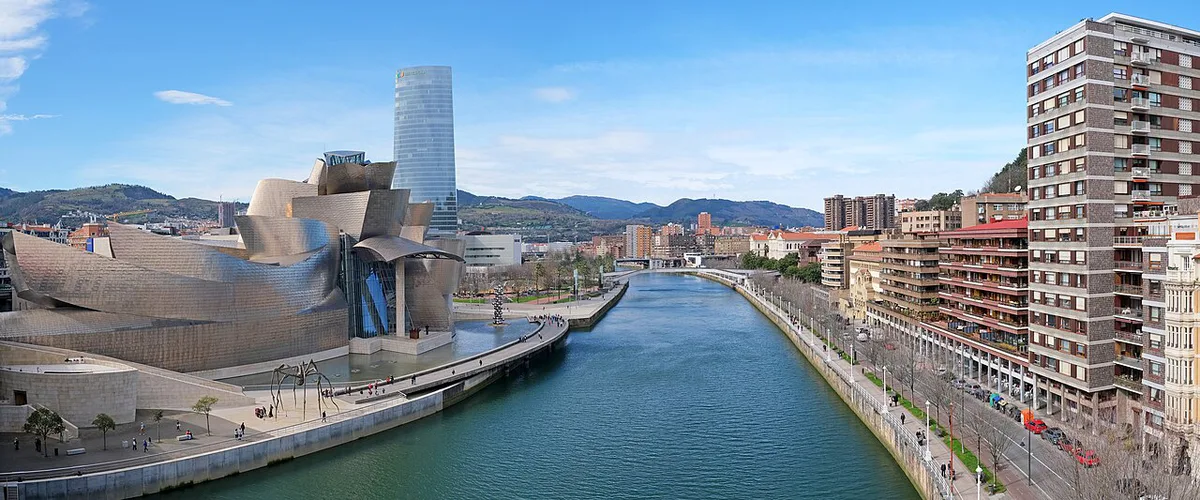
- Abandoibarra hosts the festival's major concert stages, set against the backdrop of the Guggenheim Museum.
- Headline shows tend to start late, often 23:30 or after midnight, in line with typical Spanish festival scheduling.
- The Burning of Marijaia (Closing Ceremony)
- The nine days end with the ceremonial burning of the Marijaia figure.
- The closing rite draws crowds back to the festival's core zones for one last night before the city returns to its normal rhythm.
Txosnas vs. Pintxo Bars: Where and What to Eat
Aste Nagusia gives you two very different ways to eat and drink. Txosnas are temporary tents, run by konpartsak, clustered mainly around El Arenal. Pintxo bars are permanent venues lining Casco Viejo's streets year-round. Choosing between them shapes both your budget and your evening.
- Txosnas
- Entry is free, and each tent reflects the cause or identity of the konpartsa that runs it.
- Music and atmosphere shift from tent to tent, so it is worth walking the full run of El Arenal before settling in.
- Food and drink are sold inside at festival pricing, separate from the free entry.
- Pintxo bars
- Casco Viejo's bars operate on their usual menus and pricing throughout the festival.
- They offer a quieter, seated alternative when the txosnas and plazas get too crowded.
- Many stay open later than usual during the nine days to catch the festival crowd.
Getting Around: Metro, Walking Routes, and Where to Stay
Metro Bilbao is the easiest way to move between festival zones, with stops at Casco Viejo, Abando, and Moyúa covering every major area. Service usually runs 24 hours during the nine days, which helps for late-night return trips after concerts that run past midnight. The Arenal bridge, the direct walking link between the Guggenheim area and the Old Town, closes during the festival for infrastructure and crowd control. Plan an alternate route, or use the Metro's Casco Viejo stop instead of trying to walk that connection. Book accommodation in the Casco Viejo and Abando areas well ahead of August. Rooms near the festival zones fill first for the opening and closing weekends.
- Casco Viejo
- This stop sits closest to El Arenal's txosnas and Plaza Nueva's dance performances.
- Abando
- Abando connects to mainline trains and puts you within walking distance of the Abandoibarra concert stages.
- Moyúa
- Moyúa works well if your hotel sits north of the Old Town, away from the densest festival crowds.
Aste Nagusia Bilbao vs. Semana Grande Donostia: Which Should You Pick
Bilbao is not the only Basque city with a major summer festival. San Sebastián runs its own Semana Grande, with a separate program and its own fireworks competition. Travelers weighing both trips can compare the two atmospheres in the dedicated Semana Grande San Sebastián 2026: A Complete Festival Guide guide. Bilbao's version centers on txosna culture and the konpartsak. Donostia's runs on its own traditions and calendar instead. Readers interested in Basque festival culture beyond August can also read about the Tamborrada in Donostia, a distinct citywide celebration with its own separate history.
Mistakes to Avoid: Crowds, Safety, and Booking
A few planning choices make Aste Nagusia far easier to enjoy. Skipping them tends to cause the most frustration for first-time visitors. Choose weekday mornings if traveling with children or if you prefer a calmer pace. Opening Saturday and the final Friday and Saturday draw the largest, loudest crowds of the nine days. Watch belongings closely in dense areas like El Arenal and Plaza Nueva during peak evening hours. Bullfights at Plaza de Toros Vista Alegre remain part of the official program on select dates. The tradition is a longstanding but controversial fixture in the lineup. Confirm the current schedule and decide independently whether to attend. Book transport and accommodation early, since the Casco Viejo area sells out fastest around the opening and closing weekends. Remember the Arenal bridge closure when mapping routes between the Guggenheim area and the Old Town. Build in extra walking time.
Family Mornings: Giants, Big-Heads, and Gargantúa
Aste Nagusia is not only a late-night festival. Weekday mornings bring family events to Casco Viejo and El Arenal before the evening crowds arrive.
Look for the gigantes y cabezudos, known in Basque as erraldoi eta buruhandiak. Costumed giants and oversized-headed characters parade through central streets with musicians. Routes and starting times can change each day, so check Bilbao City Council’s official program before leaving your hotel.
Children may also encounter Gargantúa, a huge festival figure with an open mouth. They enter through the mouth and descend an internal slide, creating the impression that the giant has swallowed them.
- Use Casco Viejo or Abando Metro stations for easy access to morning activities.
- Arrive before the announced start to find space along narrow Old Town streets.
- Choose a weekday morning for smaller crowds and cooler conditions.
Keep children close when the parade reaches El Arenal or Teatro Arriaga. These wider gathering points can become congested even before lunchtime.
For trip-planning details, see Aste Nagusia official source and Bilbao / regional tourism authority.
Frequently Asked Questions
When is Aste Nagusia Bilbao in 2026?
Aste Nagusia Bilbao runs for nine days in 2026, from Saturday, August 22 through Sunday, August 30. The festival always starts on the first Saturday after August 15, so future dates shift each year but stay easy to predict.
Are the txosnas in Bilbao free to enter?
Yes, entry to every txosna is free. You can walk between as many tents as you like without paying to get in. Food and drink inside are sold separately at festival pricing.
How do you get around during Aste Nagusia?
Metro Bilbao is the simplest option, with stops at Casco Viejo, Abando, and Moyúa covering the main festival zones. Service usually runs 24 hours during the nine days. Plan around the Arenal bridge closure, which cuts the direct walking link between the Guggenheim area and the Old Town.
Is Aste Nagusia the same festival as Semana Grande Donostia?
No, they are separate festivals in separate Basque cities. Bilbao's Aste Nagusia centers on txosna culture and the konpartsak. San Sebastián's Semana Grande Donostia runs on its own program and calendar instead.
What is the best day to visit for families vs. nightlife?
Weekday mornings suit families best, with folk dance rehearsals and calmer crowds. Opening Saturday and the final Friday and Saturday draw the loudest, busiest nights, built around the txupinazo and the burning of Marijaia.
Do you need tickets for the fireworks or concerts?
The nightly International Fireworks Competition and most txosna and plaza performances are free public street events. Bullfights at Plaza de Toros Vista Alegre are a separate, traditional program, so check the current schedule directly for access details.
More Basque Festivals
Bilbao and San Sebastian across the year.