
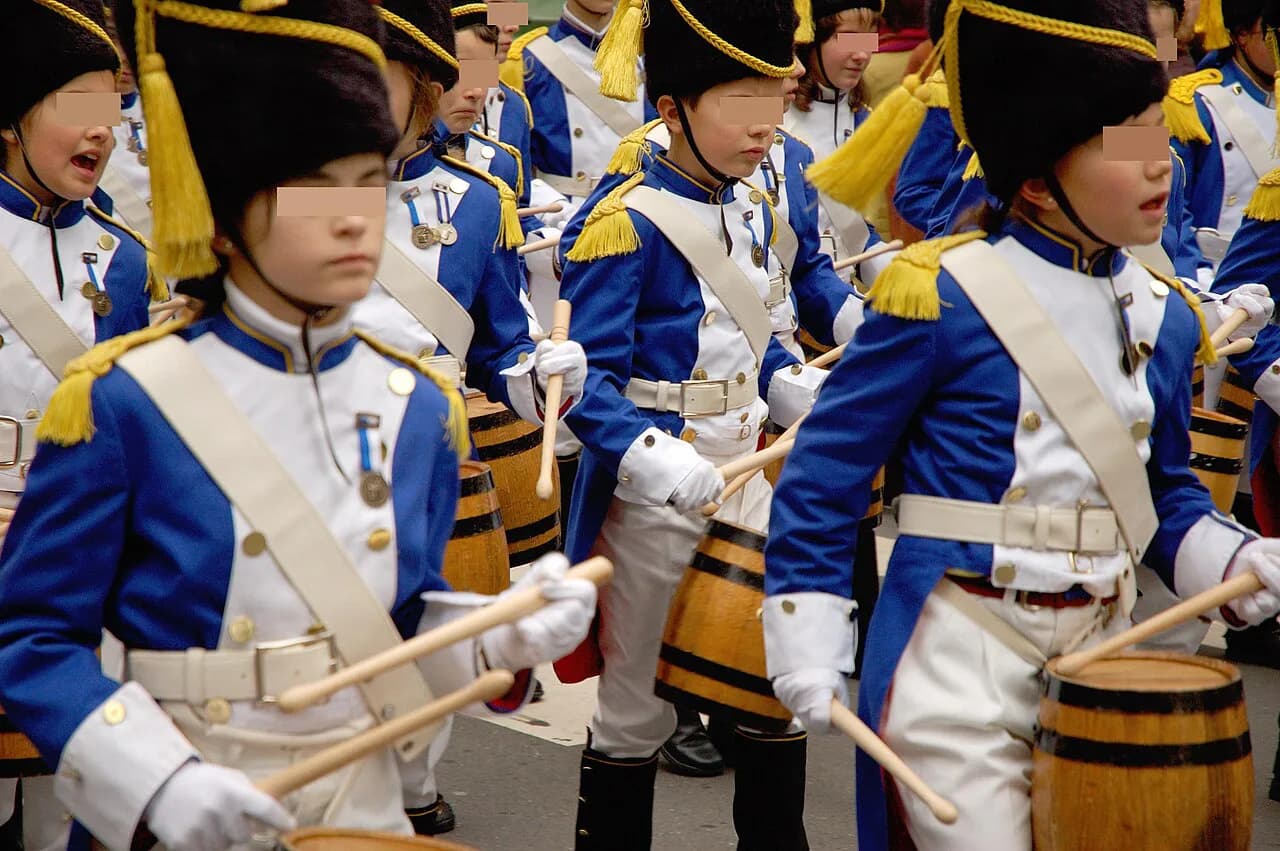
Last updated July 2026. Tamborrada San Sebastián takes over Donostia's Old Town for exactly 24 hours every January 20, starting at midnight in Plaza de la Constitución. You'll find thousands of drummers marching through the cold in Napoleonic-era uniforms and chef's whites, turning midwinter into the city's loudest date on the calendar. This guide covers the schedule from Izada to Arriada, the crowd logistics around Parte Vieja, and where to eat once the drumming reaches the pintxo bars.
Tamborrada San Sebastián: The 24-Hour Basics
Tamborrada San Sebastián is Donostia's most identity-driven festival, held every January 20 for a fixed 24 hours. The clock starts at midnight and the city does not go quiet until the same hour the following night. Unlike the summer Aste Nagusia in Bilbao, this is a winter event built around civic pride and nonstop drumming rather than fireworks or concerts. The story traces back to 1813, when Napoleonic troops occupied San Sebastián during the Siege of San Sebastián. Local water-carriers and cooks began mocking the soldiers' daily marches between the San Telmo barracks and the Puerta de Tierra, banging buckets and wine barrels instead of drums. That routine developed into a recognized carnival comparsa by 1836, and it created a costume duality still worn today: soldiers in Napoleonic-era uniforms and cooks in chef's whites and aprons. Unión Artesana, the oldest company still marching, received the city's discarded military uniforms in 1881 after they turned up in storage at San Telmo. The festival was cancelled in 1902 and revived in 1906. Francisco Franco's dictatorship later banned Carnival across Spain but made an exception for the Tamborrada and the related Caldereros festival, so the tradition never went dark. Formations have been mixed-gender since 1980, and San Sebastián Tourism counts more than 147 companies today, each built from 20 to 50 drums and 50 to 100 barrels alongside a marching band, color guard, and cantineras. You'll see the same soldier-and-cook costume duality on almost every marcher, whatever the company.
The Izada, the Children's Tamborrada, and the Arriada
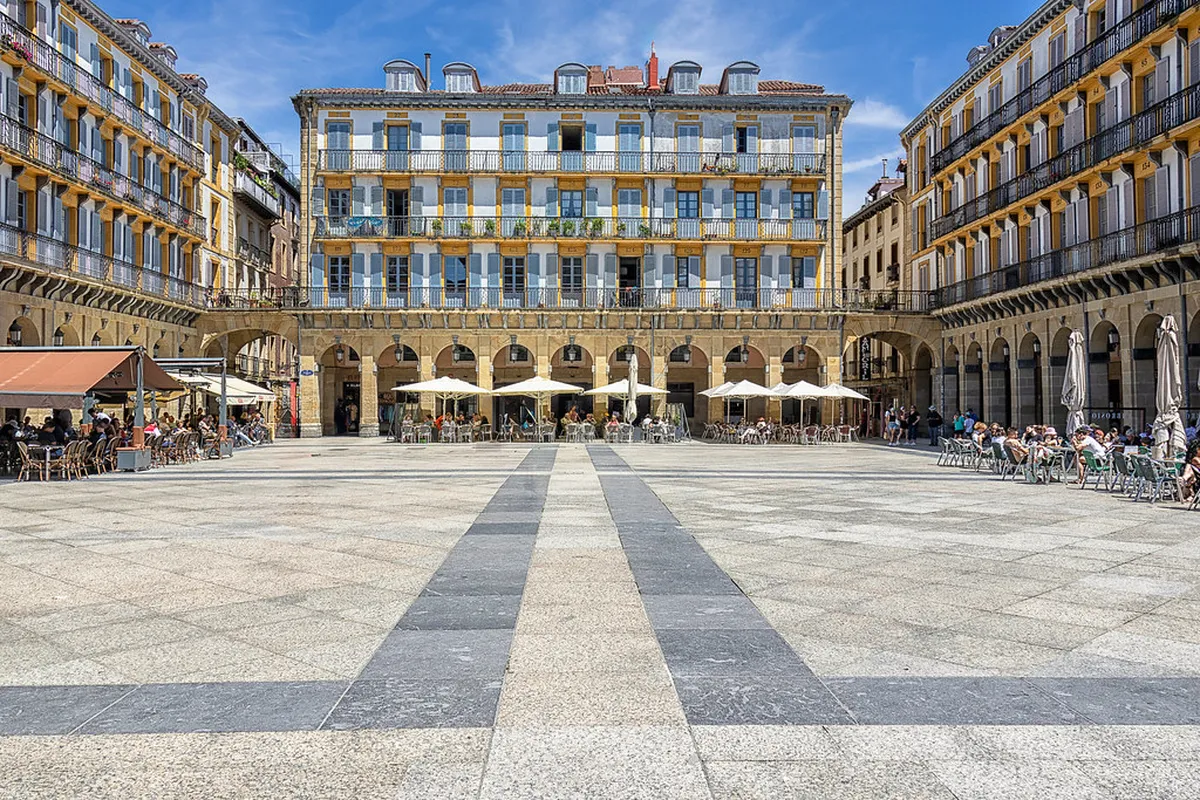
Three set-piece moments anchor the 24 hours, each with a different mood. The Izada opens the festival at midnight between January 19 and 20 in Plaza de la Constitución, where the mayor raises the city flag as a band plays the March of San Sebastián. The crowd sings the lyrics from memory, and locals treat the moment as the emotional peak of the day. Guide du Pays Basque estimates more than 20,000 participants take part across the full 24 hours. The largest single company, Peña Anastasio, fields around 400 members split into three formations and keeps a long-standing tie to a local football club. At noon on January 20, the Children's Tamborrada takes over, with contingents from San Sebastián's schools marching from the Ayuntamiento. Guide du Pays Basque puts the turnout at close to 5,000 children dressed as soldiers and cooks in miniature, and Wikipedia records 52 school contingents in a tradition running since 1961. You'll get the best family photos here, since the mood stays daytime and lighthearted. The Arriada closes the festival at midnight on January 20, when the flag comes down again at Plaza de la Constitución and at other points around the city simultaneously. It reads as quieter and more local than the Izada, the last hours of a day already sung and drummed hoarse.
- Izada — midnight, January 19 into 20, Plaza de la Constitución
- Children's Tamborrada — noon, January 20, starting at the Ayuntamiento
- Arriada — midnight, January 20, Plaza de la Constitución and other points citywide
Who Marches: Companies, Cantineras, and Barrileros
Each of the more than 147 companies follows the same basic structure. Markers lead the group, followed by a color guard of abanderados, cantineras, a drum major, and the drum section itself using snare drums. A marching band and a barrel-drum section, the barrileros, round out the formation. Cantineras, originally a purely ceremonial role, now march alongside drummers of every gender across most companies. Local sociedades gastronómicas sponsor the majority of these companies, tying the marching tradition directly to the private clubs behind the festival's food culture. You'll notice Peña Anastasio standing out for scale: at roughly 400 members split into three separate formations, it functions closer to a small battalion than a single company.
Where to Stand, What to Wear, and How to Get There
Plaza de la Constitución is the historic center of the festival, but it fills to capacity hours before the midnight Izada. Arriving at 11 p.m. can already mean watching from a Parte Vieja side street rather than the square itself. That is not a bad outcome: the surrounding streets stay loud with individual companies marching kalerik kale, street to street, even once the main plaza is full. January on the Basque coast is often cold and wet, so pack waterproof layers rather than relying on the traditional blue and white colors many locals wear. If you're sleeping in the Old Town on the night of the 19th, plan for drumming outside the window right through to the Arriada the next midnight; earplugs are worth packing for light sleepers. Book accommodation months ahead if staying over January 19 into 20, since rooms in and around Parte Vieja sell out well before the date. Getting into the city has its own logistics. Euskotren's Topo line runs from Hendaye station across the French border and adds frequency during the event, dropping visitors close to the center. Local Dbus routes serve the wider city, though road closures around Parte Vieja are standard for the day and reroute several lines. Check the official Dbus site directly for festival-day schedule changes before travelling, since closures shift year to year.
The Soundtrack: Sarriegui's Marches and the Bagera Lyrics
Every company marching through Donostia plays from the same songbook. Local composer Raimundo Sarriegui wrote the festival's core marches in 1861, including the March of San Sebastián, Erretreta, Tatiago, Diana, and Iriyarena. Writer Serafin Baroja set the words to Sarriegui's melody, and those lyrics are what the whole city sings at the Izada. The opening line, Bagera, gu ere bai, translates roughly as We are here, us too, and the song moves into beti pozez, beti alai, always joyful, always cheerful. You'll hear it functioning as an unofficial anthem rather than a formal one: locals learn it as children and sing it without needing the sheet in hand. A separate Old City March, composed by José Juan Santesteban, joined the official songlist in 2013 to mark the bicentennial of the 1813 siege. Gaztelubide's band has opened the ceremony since the association formed in 1934, while Unión Artesana's band closes the celebrations at the Arriada.
- Bagera, gu ere bai — We are here, us too
- gu beti pozez, beti alai — always joyful, always cheerful
Eating and Drinking During the Tamborrada
Sociedades Gastronómicas, the private gourmet clubs that supply many of the marching companies, are not open to walk-in visitors. Membership and a personal invitation are required to eat inside one, even on the Noche de la Tamborrada, when the strictest clubs relax their traditionally male-only rules for the night. You'll get the same food culture at street level instead. Pintxo bars across Parte Vieja fill up completely once the drumming starts, so much that locals describe them as a tope, meaning packed to the brim. The Gros neighborhood, across the river from the Old Town, offers a calmer, more local alternative once the Parte Vieja bars are full. Typical counters run heavy on gambas a la plancha skewers, mini burgers with carrillera, cod tartlets, and the classic Gilda of pepper, olive, and anchovy. Angulas, baby eels, were once the signature dish inside the gastronomic societies during Tamborrada dinners. Their price has since pushed most kitchens toward gulas or other seafood instead. Txakoli, a sparkling local white wine, and Basque cider are the standard drinks to pair with a plate of pintxos while the companies pass outside. Expect to pay per pintxo at the counter, in line with any other night out in Parte Vieja rather than a festival markup.
- Gilda — pepper, olive, and anchovy skewer
- Gambas a la plancha — grilled shrimp skewers
- Carrillera mini burgers — braised beef cheek sliders
- Cod tartlets
Beyond the Drums: Donostia in Winter
January visits built around Tamborrada San Sebastián leave room for the rest of the city too. San Telmo Museum sits at the edge of Parte Vieja and covers the history behind the festival's costumes and companies in more depth than a single day of drumming allows. Chillida Leku, the sculpture park dedicated to Eduardo Chillida, is a longer trip outside the center; confirm current opening days before building a visit around it. Mount Urgull and the Alderdi Eder gardens give you a quieter vantage point away from the packed streets below, with views back over Plaza de la Constitución and the bay. Travelers comparing Basque festival traditions often ask how a January event stacks up against summer ones. Semana Grande in Donostia covers the city's own August fireworks competition and beach season energy. Aste Nagusia in Bilbao runs on a similar late-summer calendar in the neighboring Basque capital. Both sit at the opposite end of the year from the January drums, and neither shares Tamborrada's Napoleonic-era costume story or its 24-hour format.
Izada vs. Children's Tamborrada vs. Arriada
Choosing which moment to prioritize depends on tolerance for crowds, patience for cold, and how much sleep matters before the next day. The table below breaks down what to expect from each of the three set pieces, in our editorial assessment.
Roughly a quarter of the festival's 20,000+ participants—close to 5,000 children—are part of the noon Children's Tamborrada, showing it's a major event rather than a minor daytime addition.
| Feature | Izada (Midnight) | Children's Tamborrada (Noon) | Arriada (Closing) |
|---|---|---|---|
| Vibe | High-energy, loud, crowded | Family-friendly, colorful | Reflective, locally driven |
| Crowd level | Extreme; the plaza fills hours before midnight | High, spread across the whole city | High, mostly local residents |
| Best for | Night owls chasing the festival's peak moment | Families and photographers | Visitors wanting a local, lower-tourist mood |
For trip-planning details, see Tamborrada de San Sebastian official source and San Sebastian / regional tourism authority.
Frequently Asked Questions
When is the Tamborrada San Sebastián held?
The festival runs for a fixed 24 hours every year, starting at midnight on January 19 into January 20 and closing at midnight on January 20 itself. The next edition after this July 2026 update falls on January 20, 2027. The date never moves, since it marks Saint Sebastian's feast day rather than a moveable observance.
Do you need a ticket to watch the Izada?
No ticket is required; the Izada is a free public event in Plaza de la Constitución. The square fills to capacity hours before midnight, so arriving early or picking a nearby Parte Vieja street is the practical trade-off for guaranteed access.
Can tourists eat inside a Sociedad Gastronómica during Tamborrada?
Not without an invitation. These are private clubs, and membership plus a personal invite from a member are required even on the Noche de la Tamborrada. Pintxo bars in Parte Vieja and the Gros neighborhood are the realistic way for visitors to join the food side of the festival.
What should you wear to the Tamborrada?
Warm, waterproof layers matter more than festival colors, since January on the Basque coast is frequently cold and rainy. Blue and white are the traditional Tamborrada colors if you want to dress the part, but a rain shell and closed shoes are the practical priority for standing outdoors for hours.
How do you get to San Sebastián for the Tamborrada from France?
Euskotren's Topo line connects Hendaye station, just across the French border, to central San Sebastián and adds frequency during the festival. Road closures around Parte Vieja are standard on the day, so checking the official Dbus site for local rerouting before travelling is worth the five minutes.
Is the Tamborrada suitable for kids?
The Children's Tamborrada at noon on January 20 is built for families, with school contingents marching from the Ayuntamiento in front of a daytime, photograph-friendly crowd. The midnight Izada and Arriada draw louder, later crowds better suited to adults, and light sleepers of any age staying in the Old Town should pack earplugs for the 24 hours of drumming.