Last updated August 2026, Festival de Jerez is the flamenco world's most concentrated annual gathering, filling Jerez de la Frontera for nearly three weeks each late winter. The 2026 edition runs February 20 to March 7, packing workshops, ticketed theatre shows, and free tabanco sets into a single stretch. This guide breaks the Festival de Jerez itinerary into eight practical decisions covering dates, venues, budget, and lodging.
What Is Festival de Jerez?
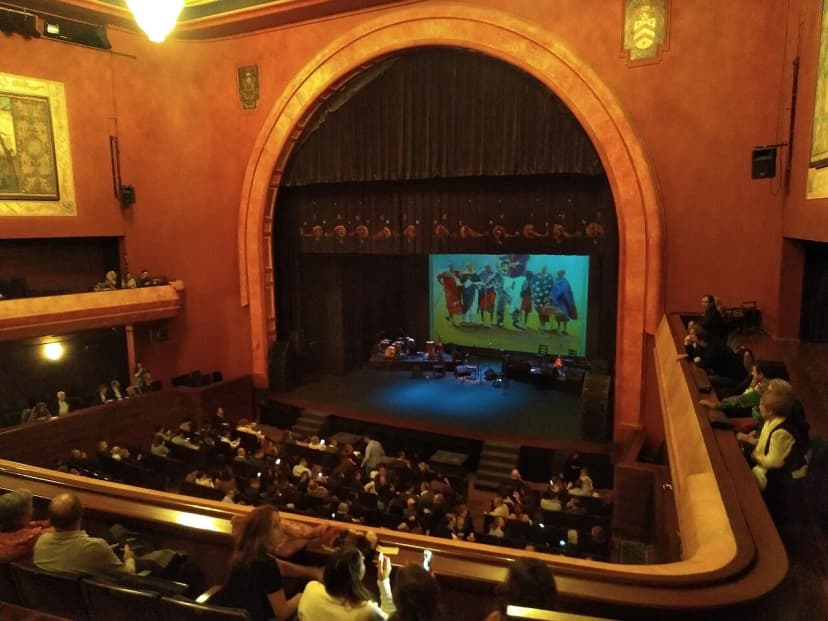
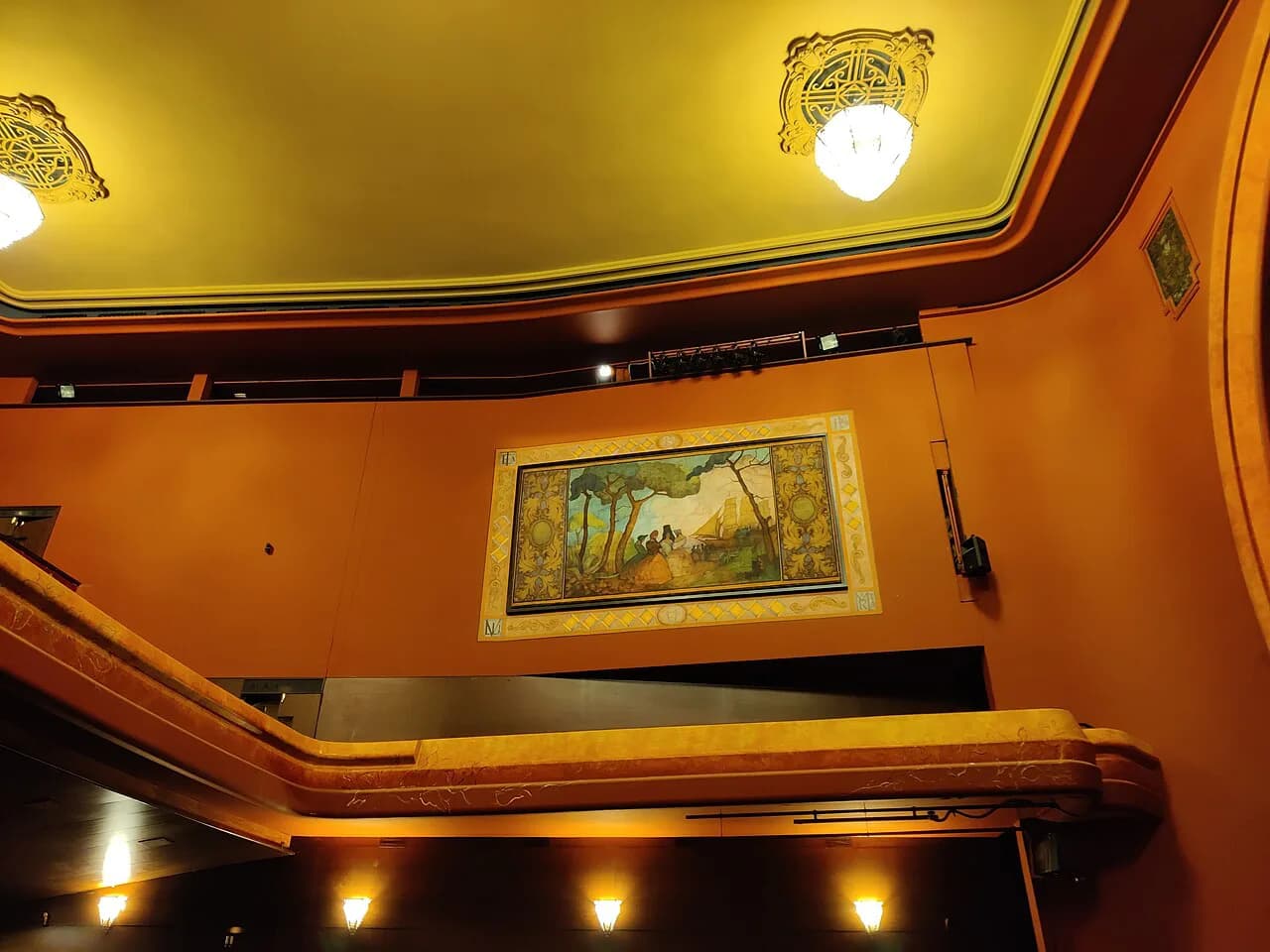
Festival de Jerez focuses on flamenco and Spanish dance rather than the sung cante that headlines some other flamenco festivals. Andalucía's tourism board describes the event as one of the most important dates in the world of flamenco and dance. It spans close to three weeks each year and stages more than 48 shows across the city. Teatro Villamarta anchors the program as the main venue for large-scale premieres, while smaller peñas, tabancos, palaces, and museums host the rest. The 2026 edition marks the festival's 30th year, and the official festival site confirms 2027 dates of February 19 to March 6 for the 31st edition. Jerez itself sits in Cádiz province in Andalusia. Sherry bodegas and the historic Barrio de Santiago join the theatre district in hosting events across the whole city. The festival never stays confined to one stage.
Who Performs: Recent Award Winners and Names to Watch
Recent editions give a sense of who takes the Villamarta stage and the smaller venues around it. At the 30th Festival de Jerez, dancer Salomé Ramírez won the Premio Artista Revelación, the festival's award for best newcomer. María Moreno took the Premio del Público, the public vote for the festival's most popular show. On the cante side, the city's peñas flamencas awarded Manuel de Gines their prize for best accompaniment singing. Programs from that edition also featured Mercedes Ruiz, Leonor Leal, and Salomé Ramírez together in one bill. Separate sets came from Mayte Martín, guitarist Yerai Cortés, and dancers Andrés Marín and Ana Morales. Other recent bills included Nuevo Ballet Español's contemporary staging and dancer José Manuel Ramos, known as El Oruco, performing his solo work Patrón. None of that guarantees a repeat booking for 2026 or 2027, but it signals the mix of established names and emerging dancers that fills a typical program.
8 Things to Know About Festival de Jerez Before You Go
These eight decisions cover the festival's dates, venues, and logistics, roughly in the order they come up while planning a trip.
- Lock In the 2026 or 2027 Dates First
- The 2026 Festival de Jerez runs February 20 to March 7, marking the festival's 30th year.
- Organizers have confirmed 2027 dates of February 19 to March 6 for the 31st edition.
- Full show listings and workshop schedules typically post around January, so treat winter as the planning window, not the booking window.
- Match the Venue to the Experience You Want
- Teatro Villamarta hosts the festival's world premieres and major touring companies with full staging and sound.
- Peñas flamencas, the city's traditional flamenco social clubs, stage more purist, unamplified sets for a smaller crowd.
- Tabancos, historic sherry bars such as Tabanco El Pasaje, run raw, often low-cost sets that can start without warning late in the evening.
- Decide Between Workshops and Show Tickets
- Festival de Jerez runs as both a training ground for dancers and a performance series for spectators, and the two are booked separately.
- Daytime dance and guitar workshops typically begin around 10 or 11 in the morning and fill months ahead of the festival.
- Evening theatre tickets tend to stay available closer to the date, so prioritize workshop registration first if classes matter more than watching shows.
- Budget for a Mix of Free Streets and €50+ Theatre Seats
- Street performances and many tabanco sets cost nothing or close to it, with typical tabanco entry running around €15.
- Villamarta theatre seats for headline shows run €50 and up, with pricing that varies by production and seating tier.
- Booking Villamarta shows in advance matters most, since the main stage historically sells out its top nights.
- Pair Shows With Sherry Bodegas and the Royal Equestrian School
- Bodega visits fit naturally between a morning workshop and an evening show, with houses such as Tio Pepe and Lustau offering guided tastings.
- The Royal Andalusian School of Equestrian Art runs dressage exhibitions on its own schedule, so confirm show times before booking one around a festival performance.
- The Alcázar of Jerez, the city's Moorish fortress, makes an easy midday stop between festival events.
- Choose a Base: Centro or Barrio de Santiago
- Staying in the city centre keeps walking distances short to Villamarta and most tabancos.
- Barrio de Santiago and San Miguel, the historic flamenco quarters, put you closer to the peñas and their late-night sets.
- Options span Hotel Casa Palacio María Luisa at the upper end to La Fonda Barranco, a traditional guesthouse, so book either well before January.
- Fly Into Jerez Airport or Route Through Seville
- Jerez Airport (XRY) sits closest to the festival, with direct flights from several Spanish and European cities.
- Seville Airport (SVQ) offers more route options, and Seville connects to Jerez by train or car in about an hour.
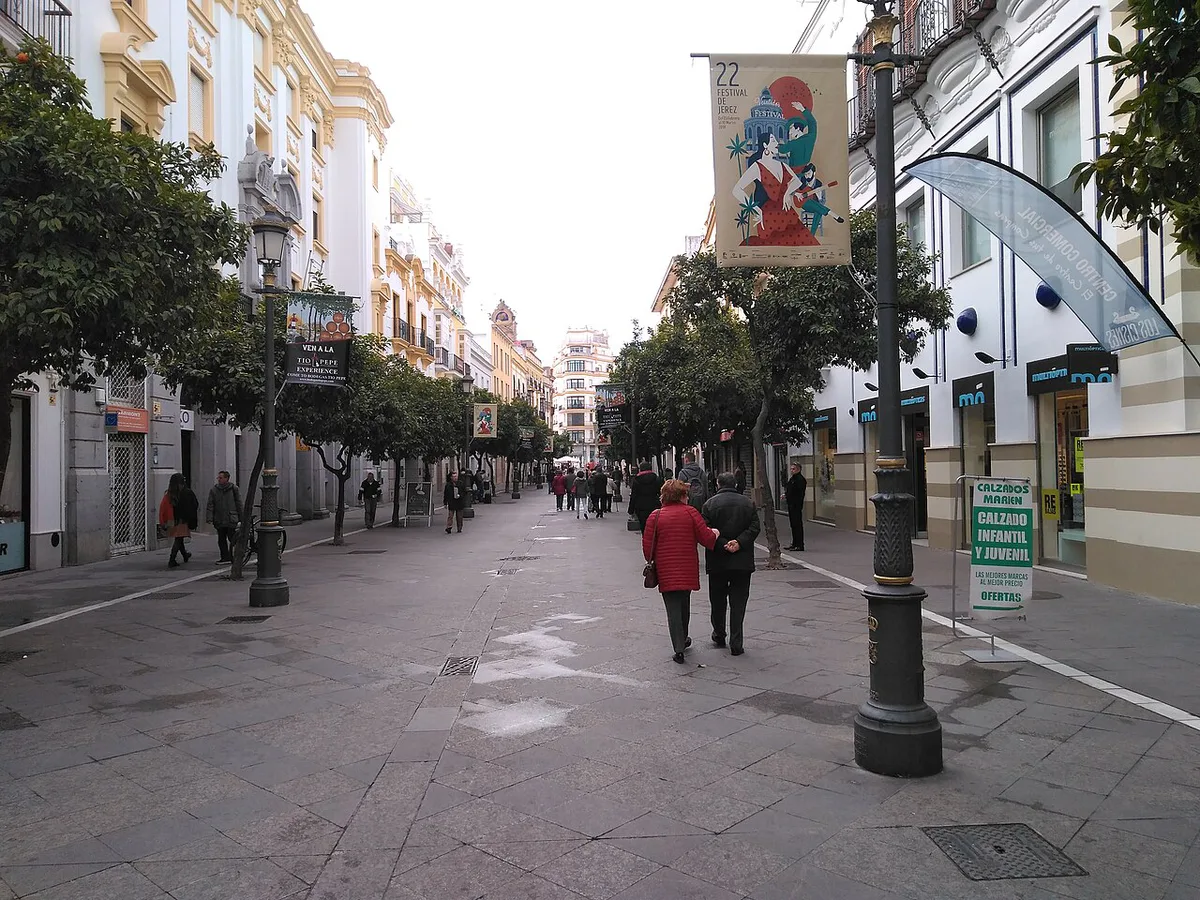
- Once in Jerez, plan to walk everywhere; the historic centre's cobblestones favor comfortable, sturdy shoes over anything delicate.
- Book Workshops Early and Leave Room for the Unplanned
- Popular dance and guitar workshops can fill months before the festival opens, so register as soon as the program posts.
- Overpacking the schedule leaves no space for the impromptu sets that break out in tabancos after midnight, often the best part of a night.
- Dress casually by day, but plan smarter layers for evening theatre shows, where the audience typically dresses up.
A Booking Timeline: What to Reserve and When
A simple timeline keeps the moving pieces in order. The program usually posts in January. Register for workshops right away, since the popular ones fill first. Book Villamarta theatre tickets for headline names in the same window, using the festival ticket guide to compare seating and pricing. A few weeks out, reserve accommodation in Centro or Barrio de Santiago if it is not already locked in. Also lock in any bodega tastings tied to a specific afternoon. In the final week, reconfirm peña and tabanco listings, since smaller venues sometimes adjust start times close to the date. Leave the last two or three nights of a trip unscheduled, so a recommendation from a local can turn into that night's plan.
Workshops begin around 10 or 11 in the morning and fill months ahead, so register the moment the January program posts.
A Typical Festival Day: Morning Workshop to Midnight Tabanco
A festival day layers three different registers of flamenco into one schedule. Dance and guitar workshops typically start around 10 or 11 in the morning and run two to three hours. They draw a mix of visiting students and professional dancers. Midday leaves room for a bodega visit or a walk through the Alcázar of Jerez before the evening program takes over. Villamarta theatre shows and the larger peña performances usually begin in the early evening, often around 8 or 9 p.m. Most run one to two hours. After the formal program ends, tabancos such as Tabanco El Pasaje keep going, and impromptu sets can start well past midnight without any posted schedule. Trying to fit a workshop, an evening show, and a late tabanco set into one day is possible, but it makes for a long day. Building in one rest block, especially after a heavier bodega lunch, keeps the later sets enjoyable instead of exhausting. Multi-day visitors sometimes skip a workshop day partway through the festival to catch up on sleep before its second half.
What to Eat and Drink Between Shows
Jerez's sherry bodegas and tapas bars fill the hours between festival events. Guided tastings at bodegas such as Tio Pepe and Lustau walk visitors through the region's dry fino and oloroso styles. Most tastings run shorter than a full afternoon, leaving time for an evening show. Reserve bodega tastings a day ahead during the festival's busiest weekends, since tour slots fill alongside the theatre program. Tapas bars around the centre serve regional dishes such as salmorejo, croquetas, and grilled chorizo, easy to fit between a workshop and a bodega visit. Tabancos double as both bar and stage, so a plate of tapas and a glass of sherry often comes with an unplanned flamenco set at the next table. Pairing one sherry tasting and one sit-down tapas meal into a multi-day trip works better than scheduling both around every show.
Where Festival de Jerez Fits in the Jerez Calendar
Festival de Jerez is not the only reason to time a trip around the city's calendar. The Feria del Caballo horse fair follows later in spring. Nearby Semana Santa events run March 21 to 28 in 2027 for those extending a visit. Jerez's grape harvest festival runs August 29 to September 13, 2026, so late-winter and late-summer visits show two different sides of the city. For a broader comparison, Seville's Bienal de Flamenco covers a wider flamenco mix every two years. Festival de Jerez, by contrast, returns annually and stays focused on dance. Check the full festival calendar before locking in flights, since dates shift by about a week most years. Spain's national tourism site lists all three alongside Festival de Jerez as the city's signature annual dates, useful shorthand when mapping a longer Andalusia itinerary.
Festival de Jerez dates shift by about a week each year; February 20 to March 7 marks 2026, while 2027 starts February 19 to March 6.
Frequently Asked Questions
Is English widely spoken at Festival de Jerez?
Hotels and the main ticket points typically offer some English support. Inside the peñas and tabancos, basic Spanish helps more, since the atmosphere stays local and informal. A handful of common phrases go a long way when a peña host is deciding who gets a seat.
Is Festival de Jerez family-friendly?
Daytime workshops, street performances, and early shows work well for families. Late-night tabanco sessions and some evening theatre programs run long and skew toward an adult crowd, so plan those separately from young children. Museums and quieter cultural spaces around the city offer a break if a full day of flamenco runs long for younger visitors.
How does Festival de Jerez compare to Seville's Bienal de Flamenco?
Festival de Jerez runs every year and centers on dance and Spanish dance technique. Seville's Bienal de Flamenco runs every two years and covers a wider range of flamenco disciplines, including cante. Pick Jerez for a tighter, dance-focused program, and pick the Bienal in its own years for a broader survey of the art form.
How far in advance should you book Festival de Jerez workshops?
The program usually posts around January for that year's dates, so book as soon as it appears. Popular dance and guitar workshops can fill months ahead, well before the festival's opening week in late February. Waiting until February to look for a workshop spot usually means settling for a waitlist.
What does a Festival de Jerez trip typically cost per show?
Street performances and many tabanco sets are free or close to €15 per entry. Villamarta theatre tickets for headline shows start around €50, and full pricing varies by production and seating. Mixing a few free tabanco nights with one or two theatre tickets keeps a multi-night trip from adding up to a full run of €50 seats.
What should you pack for Festival de Jerez?
Pack comfortable, sturdy shoes for the historic centre's cobblestones and daytime walking between venues. Add smarter layers for evening theatre shows, since the Villamarta audience tends to dress up after dark. Late February in Andalusia runs cool at night, so a jacket earns its space even on a mild afternoon.
Explore Festival de Jerez
Plan your trip around Jerez's flagship flamenco festival, from booking shows and workshops to seeing how it fits alongside the city's other big celebrations.