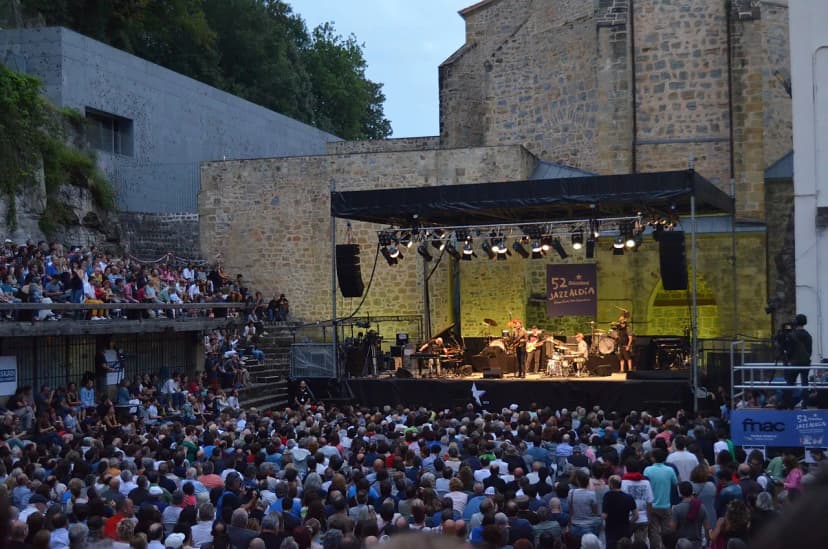
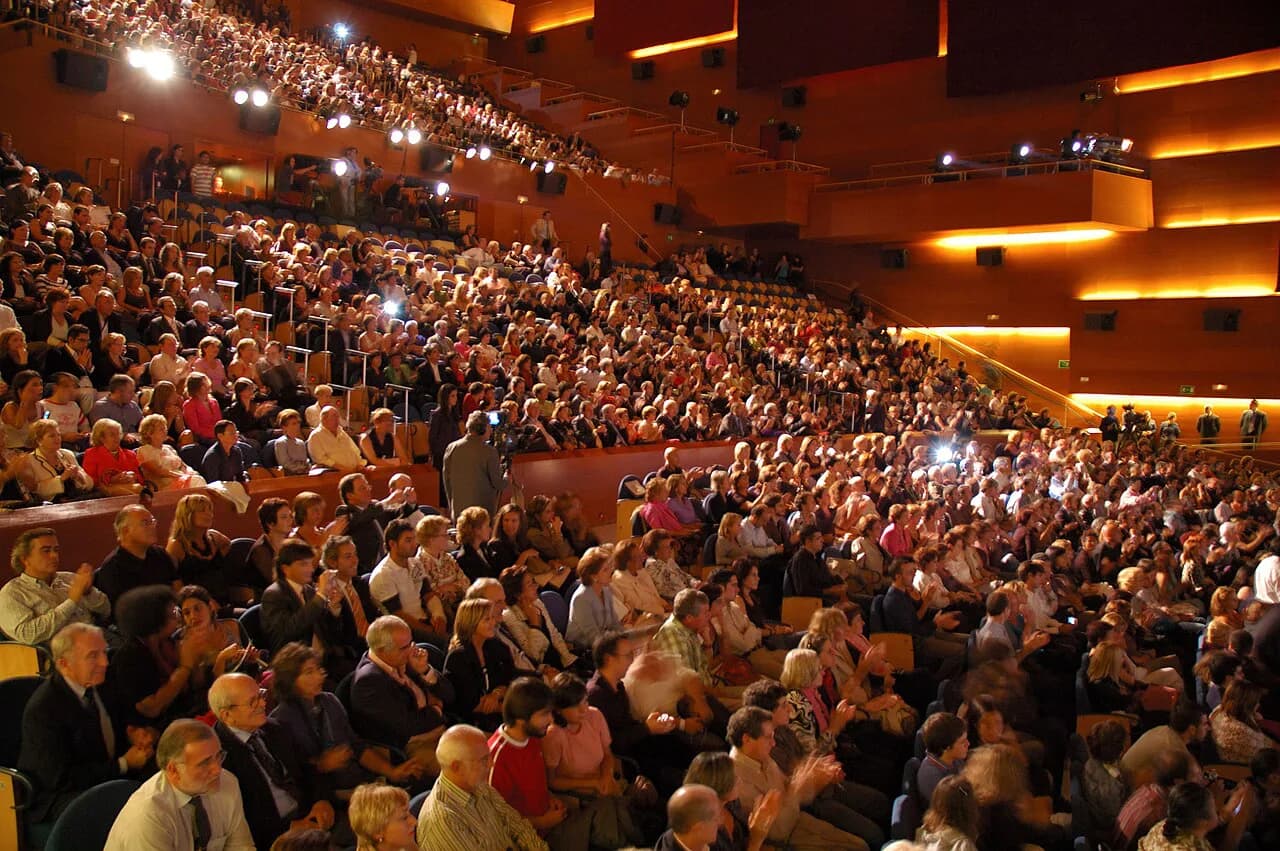
Last updated August 2026, this guide breaks down the San Sebastian Film Festival for travelers who want tickets, not just industry access. The 74th edition runs 18 to 26 September 2026, and the public can buy seats to most screenings once general sale opens. Below are the eight things worth knowing before you build a schedule around Donostia's nine days of premieres.
Why the San Sebastian Film Festival Matters
One of a small group of festivals holding FIAPF A-category status, San Sebastian shares that top tier with Cannes, Venice, and Berlin. That status means competing films must be genuine premieres, which keeps the Official Selection lineup fresh year after year. San Sebastian also sells a large share of its screenings directly to the public, not only to accredited press and industry. That direct public access is the detail worth knowing before you plan a September trip to Donostia. José Luis Rebordinos has directed the festival since 2011, with Maialen Beloki confirmed to take over starting in 2027.
8 Things to Know About the San Sebastian Film Festival
Each entry below covers one piece of the festival: the sections worth watching, where films actually screen, and how to budget your visit.
- FIAPF A-Category Prestige and a 1953 Start
- San Sebastian Film Festival dates back to 1953, when Donostia first hosted a competitive event. It has held FIAPF A-category status, the classification that also covers Cannes and Venice, on a stable basis since 1985.
- Hitchcock's Vertigo had its international premiere here, and Star Wars had its European premiere at the same festival. It was also the first festival Roman Polanski ever attended.
- Early San Sebastian screenings also helped launch the international careers of Francis Ford Coppola, Bong Joon-ho, and Pedro Almodóvar.
- Official Selection and the Golden Shell
- Feature films compete in Official Selection for the Concha de Oro, or Golden Shell, alongside Silver Shell prizes for direction and performance.
- Spanish films entered in Official Selection must be world premieres, so the lineup regularly breaks major national releases first.
- The 74th edition's Official Selection includes Nicole Garcia, Pablo Larraín, Mike Leigh, and Yeşim Ustaoğlu, alongside Spanish directors Roberto Bueso, Mikel Gurrea, and Javier Ruiz Caldera.
- Perlak: The Easiest Section for First-Time Visitors
- Perlak, or Pearls, gathers the strongest titles from Cannes, Venice, and Berlin earlier in the year, so quality is largely pre-vetted.
- Festival audiences vote a Pearls Section Audience Award, with a €50,000 top prize for Best Film and €20,000 for Best European Film, paid to that film's Spanish distributor.
- For a first festival, Perlak screenings are a safer bet than an unproven Official Selection title.
- Zabaltegi-Tabakalera for Riskier, Experimental Picks
- Zabaltegi-Tabakalera runs without the format rules of the main competition, so it favors experimental and boundary-pushing work.
- It shares its name with the Tabakalera cultural center, which also runs the festival's Z365 programming across the rest of the year.
- In our editorial assessment, its smaller, curious audience makes standby tickets easier to find than for Official Selection premieres.
- Culinary Zinema Pairs Film With Basque Dining
- Culinary Zinema is a non-competitive section built around gastronomy-focused films, several paired with themed dinners.
- It is one of the more distinctive sections for a city where Michelin-starred kitchens sit within walking distance of festival venues.
- Screenings here are non-competitive, so the section works more like a curated evening out than a race for an award.
- The Venue Hierarchy: Kursaal, Victoria Eugenia, Velodrome
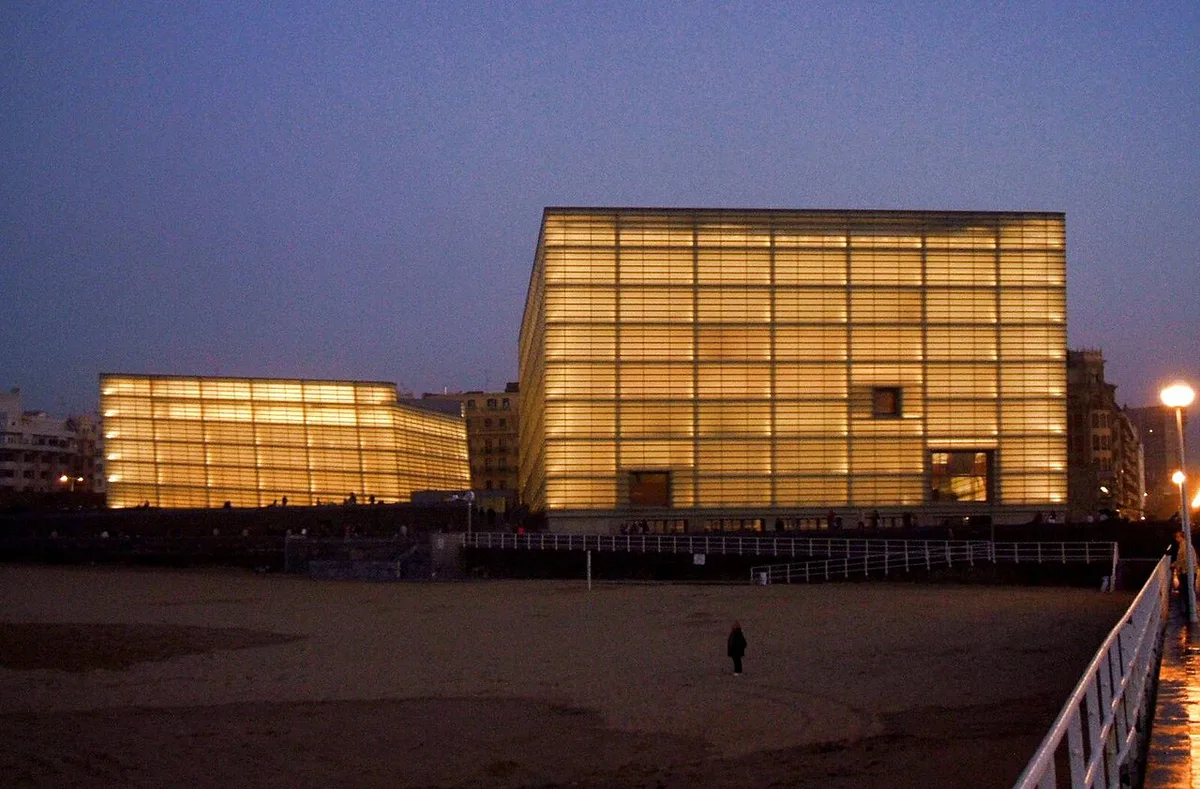
- Kursaal Centre, the glass-cubed building on the Zurriola estuary, is the festival's main hub for press and official screenings.
- Victoria Eugenia Theatre, a belle époque house dating to the festival's early decades, hosts galas and red-carpet premieres.
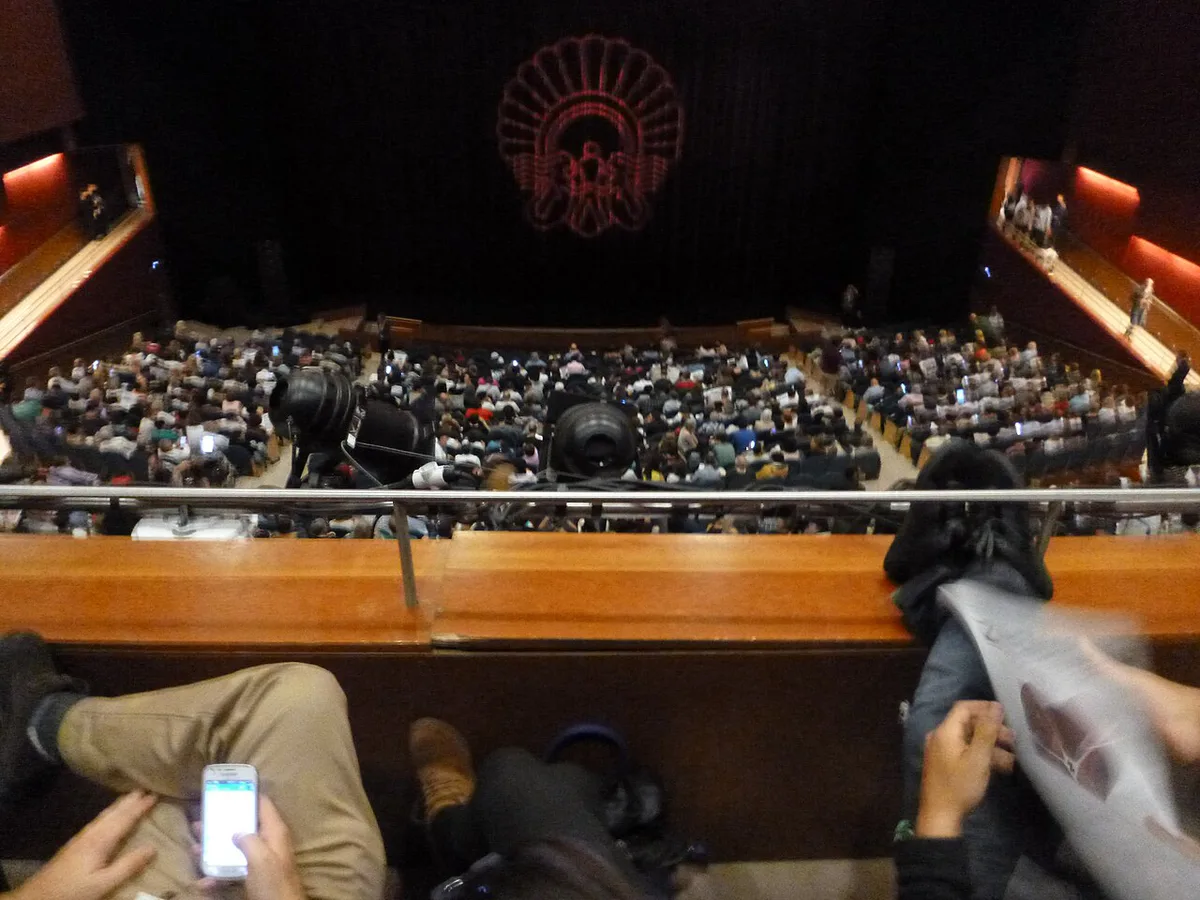
- Velódromo de Anoeta seats roughly 3,000 for single big-screen showings, an experience past coverage frames as a highlight of the whole festival.
- Ticket Strategy and What Screenings Cost
- General public sale typically opens shortly before the festival begins, and popular Official Selection and Perlak slots sell out within hours.
- Individual screening tickets have typically run about €8 to €10. Prices and on-sale dates shift slightly each year, so confirm both on the official festival site before you travel.
- First-time buyers need a My Festival account, the festival's registered-user portal, to purchase online rather than in person.
- The September Crunch: Book Accommodation Early
- Hotel rates in Donostia climb sharply during the festival's nine days, and rooms near the Kursaal and Parte Vieja book out first.
- Pintxo bars in the old town run standing-room only through the festival week, so plan meal times around, not against, the crowds.
- Reserve accommodation at least six months ahead of the 18-26 September 2026 dates if you want anywhere near the festival venues.
Official Selection, Perlak, or Velodrome: Which Screenings to Prioritize
Not every festival section fits every visitor, and the three highest-profile options trade off prestige, risk, and atmosphere differently. Official Selection carries the most prestige, since it is where the Golden Shell is decided, but quality varies title to title. Perlak trades that risk for consistency, since every film already impressed audiences at Cannes, Venice, or Berlin. Velodrome trades curation for scale, putting one film in front of roughly 3,000 people in a single sitting.
Perlak screenings cost the same €8 to €10 as unproven Official Selection premieres but deliver pre-vetted quality from Cannes, Venice, and Berlin, plus easier standby access.
| Section | Trade-off | Best For |
|---|---|---|
| Official Selection | High prestige, uneven quality | Cinephiles chasing the Golden Shell race |
| Perlak | Pre-vetted, lower risk | First-time festival visitors |
| Velodrome | Large-scale, communal viewing | Travelers who want one big shared screening |
Red Carpet Spotting Beyond the Screenings
Hotel María Cristina, across from the Kursaal, is where most visiting talent stays during the festival. The street outside draws crowds each evening as premieres let out. Victoria Eugenia Theatre's steps are the other reliable spot, since galas load in and out there through the nine days. Neither location publishes a schedule, so plan around published gala start times instead of waiting outside all day.
Finding Last-Minute Tickets at Zinemaldi Plaza
Sold-out screenings are not always a dead end at San Sebastian Film Festival. Zinemaldi Plaza, the festival's on-site hub for tickets and information, is where standby lines and last-minute releases typically happen on the morning of a screening. Arrive early and check the plaza before assuming a sold-out listing is final. This works best for Perlak and Zabaltegi-Tabakalera slots, since Official Selection premieres with red-carpet galas rarely release extra seats.
Beyond the Screen: Pintxos, Zurriola Beach, and Getting Around
Festival days in Donostia rarely stay inside a cinema. Parte Vieja, the old town, fills with pintxo bars that make an easy stop between afternoon and evening screenings. Screenings run from mid-morning into late evening, so plan pintxo stops around gaps in your ticketed schedule rather than fixed mealtimes. Zurriola Beach sits a short walk from the Kursaal, useful for a break before a late gala. The city's Dbus network covers routes between the main venues. Walking alone connects the Kursaal, Victoria Eugenia, and Parte Vieja without much need for a bus. Check the San Sebastian tourism site for current route maps.
San Sebastian vs Sitges vs Malaga: Which Festival Fits Your Trip
San Sebastian, Sitges, and Malaga cover different corners of Spanish film culture, and picking the right one depends on what you want to watch. Genre and horror fans usually gravitate toward the Sitges Film Festival instead of SSIFF's awards-season lineup. Spanish-language and Latin American cinema, meanwhile, is the focus at the Festival de Malaga, not international premieres. All three festivals award prizes to feature films, but only San Sebastian holds FIAPF A-category status, the same accreditation tier as Cannes and Venice. Choosing between them comes down to whether you want genre thrills, Spanish-language premieres, or the broadest international awards-season lineup.
| Festival | Focus | Best For |
|---|---|---|
| San Sebastian Film Festival | International awards-season premieres, FIAPF A-category | First-time visitors who want Perlak's pre-vetted picks |
| Sitges Film Festival | Horror, fantasy, and genre film | Genre fans and midnight-movie crowds |
| Festival de Malaga | Spanish-language and Latin American cinema | Travelers focused on Spanish-language releases |
Mistakes to Avoid at the San Sebastian Film Festival
A few planning mistakes show up again and again among first-time attendees. Booking accommodation less than six months out usually means paying a steep premium or staying well outside Parte Vieja and the Kursaal. Skipping Tabakalera's year-round Z365 programming is a missed opportunity if your trip falls outside the festival's nine days. Expecting a Cannes-style, industry-only atmosphere misses the point, since Perlak and Velodrome screenings are built for a general public audience, not just accredited press. Assuming every screening requires a physical ticket in hand also causes confusion, since some entries are managed entirely through the My Festival portal.
A practical 24-hour festival rhythm for first-time visitors
For first-time visitors, planning each day around movement and food prevents long pauses and frustration. Use this as a practical template and fine-tune it against each day’s published schedule.
- Late morning (around 10:00–14:00): Visit Zinemaldi Plaza early for ticket-hold changes. Then take one screening at Kursaal or Victoria Eugenia and stop for lunch in Parte Vieja.
- Afternoon reset (14:00–17:30): Use this block for a slow walk, short breaks, and pintxos. During festival week, bar seating can be tight, so arriving before peak windows helps.
- Evening block (17:30–23:30): Reserve your bigger shows early, especially Official Selection and Perlak. The Velódromo de Anoeta is ideal when you want a large-screen, crowd-atmosphere screening.
- Movement plan: Use Dbus routes between non-adjacent stops if you are switching quickly; for most core points, a short walk is often simpler than waiting for buses.
If a film looks sold out at booking time, check again near the screening day. Zinemaldi Plaza can release standby tickets for Perlak and Zabaltegi-Tabakalera slots close to the screening time.
Frequently Asked Questions
Can the public buy tickets to the San Sebastian Film Festival?
Yes. General sale opens to the public ahead of the festival, and popular Official Selection and Perlak screenings sell out within hours. Register a My Festival account on the official site before the on-sale date opens.
When is the San Sebastian Film Festival in 2026?
The 74th edition runs 18 to 26 September 2026, nine days in total. Dates shift slightly year to year, so confirm the current festival's exact dates on the official site before booking flights.
How much do San Sebastian Film Festival tickets cost?
Individual screening tickets have typically run about €8 to €10 each. Accommodation, not tickets, is the larger cost during festival week, since hotel rates climb sharply for the nine days.
What is the best festival section for a first-time visitor?
Perlak is the easiest entry point, since it gathers the strongest titles that already played Cannes, Venice, and Berlin earlier in the year. Official Selection is higher-risk since those films are unproven premieres.
How does the San Sebastian Film Festival compare to Sitges or Malaga?
San Sebastian focuses on international awards-season premieres and holds FIAPF A-category status. Sitges centers on horror and genre film, while Festival de Malaga focuses on Spanish-language and Latin American cinema.
What is the My Festival portal?
My Festival is the official festival's registered-user account system. Create one before general ticket sale opens, since ticket purchases run through that login rather than as a guest checkout.
Is the San Sebastian Film Festival only for industry professionals?
No. It sells a large share of tickets to the public, and sections like Perlak and Velodrome are built specifically for that audience.
More Film Festivals
Spain's three festivals worth planning a trip around.