Last updated August 2026, the Festival de Málaga returns for its 29th edition from March 6 to 15, 2026. It remains the leading showcase for Spanish-language cinema, with red-carpet premieres at Teatro Cervantes and auteur screenings at Cine Albéniz. This guide covers tickets, venues, the Biznaga awards, and how the event compares to San Sebastián and Sitges.
What Is the Festival de Málaga?
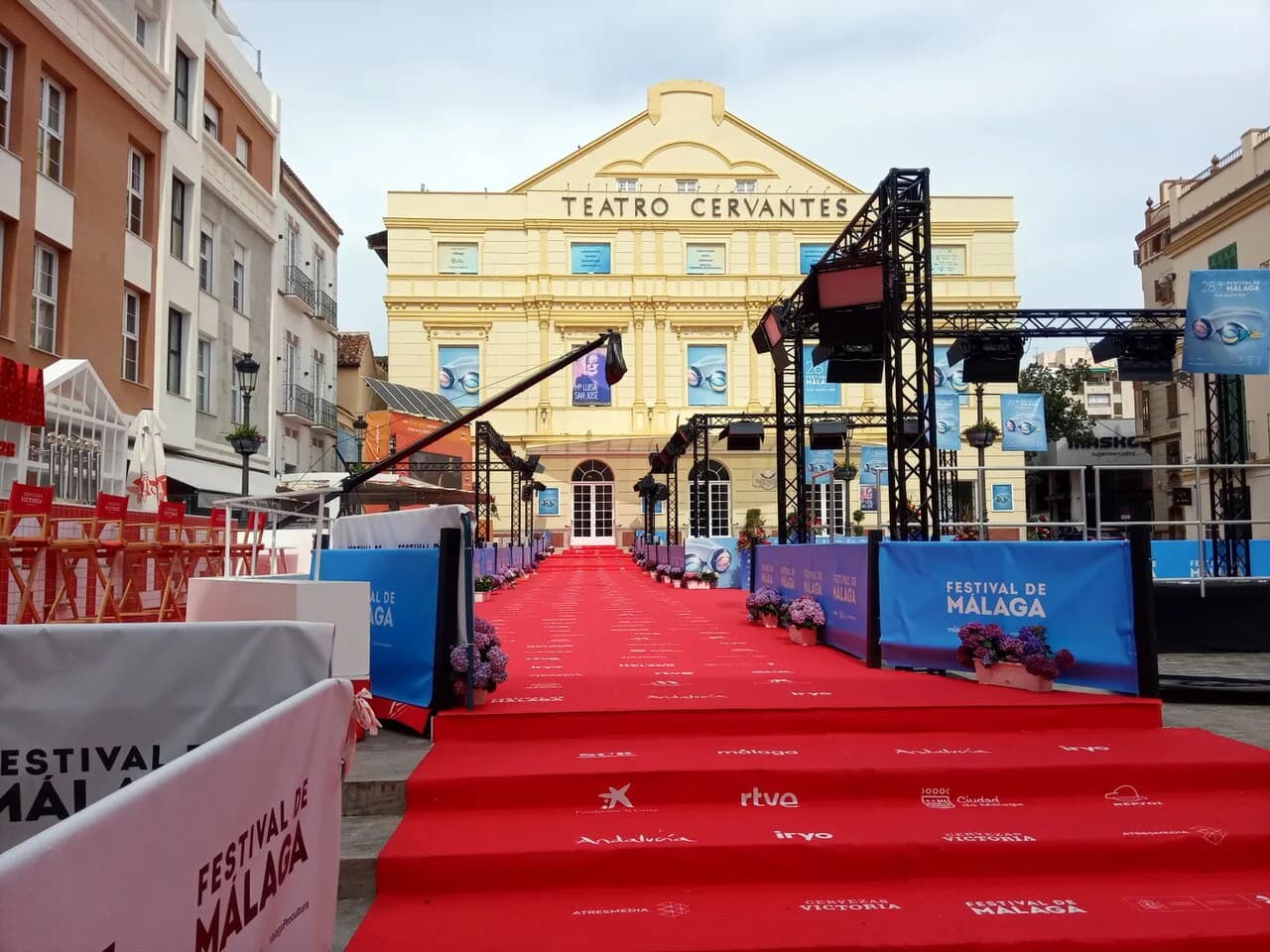
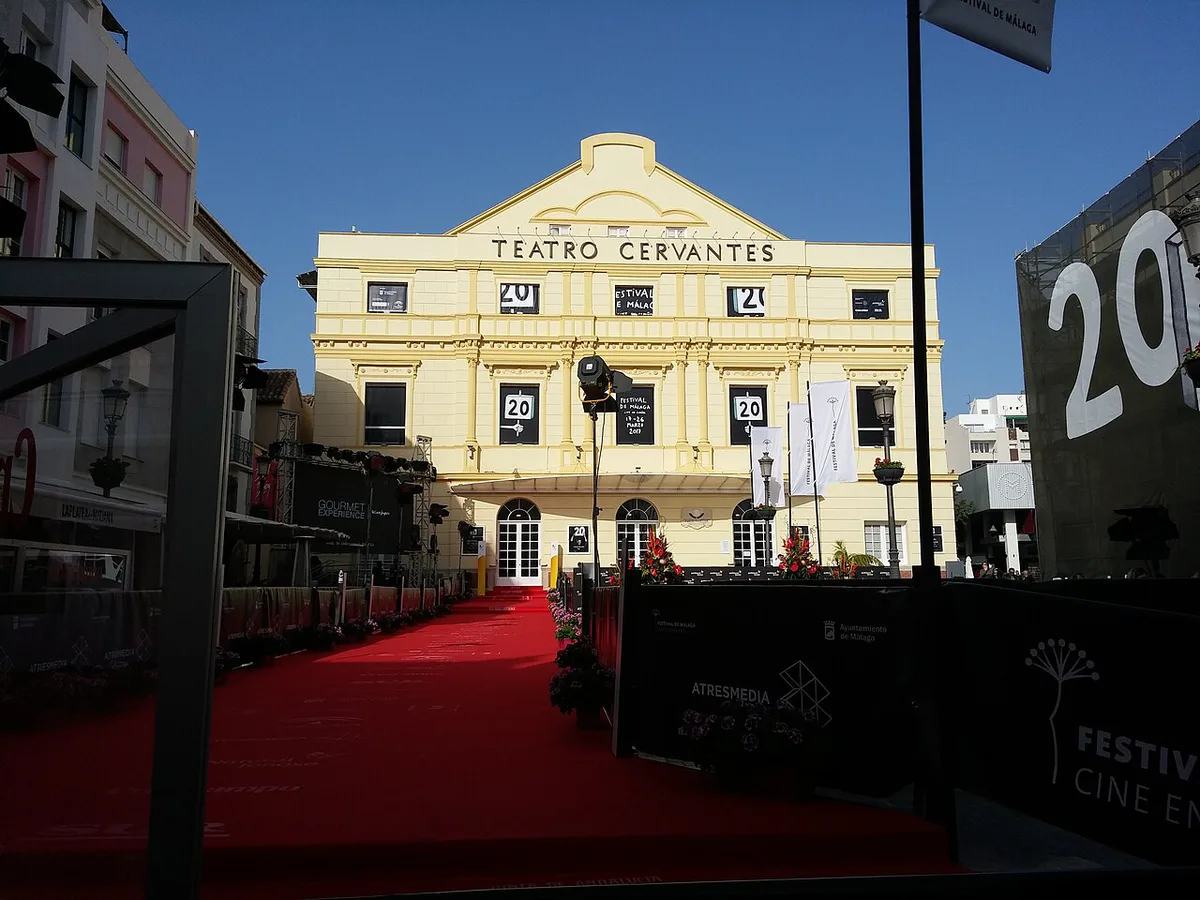
The Festival de Málaga launched in 1998 as a dedicated stage for movies made in Spanish, and it remains built around that identity rather than broad international premieres. According to the official festival site, the 29th edition runs March 6 to 15, 2026, with the 30th-anniversary edition set for February 26 to March 7, 2027. For a visitor without Spanish, that focus matters. Unlike San Sebastián's international competition, most Málaga premieres screen in Spanish with limited or no English subtitles. Treat this as a festival for Spanish speakers or Spanish-cinema enthusiasts first. Red carpets unfold outside Teatro Cervantes in the Mediterranean sun that has become part of the festival's early-March identity. FIAPF, the International Federation of Film Producers' Associations, recognizes the Festival de Málaga. Panama served as the 29th edition's featured country of honor, alongside a retrospective dedicated to directors Mariano Cohn and Gastón Duprat.
Essential Logistics: Festival de Málaga Dates, Tickets, and Access
Schedules for the Festival de Málaga typically post on the official site a few weeks before opening night. Avoid locking hotel and flight plans around exact screening times until the program is live. Three ticket types cover most visitors: individual screening tickets, gala tickets, and press or industry accreditation. Exact per-screening prices are not fixed year to year, so check the official site's ticket section close to your travel dates. As a general pattern, gala tickets cost more than a standard Sección Oficial screening, and accreditation is priced separately from public tickets. Sales route through the festival's Procultura platform online, with a physical box office also handling walk-up purchases during festival week. Separate accreditation tracks exist for press, film schools, and industry professionals through the festival's own portal, distinct from general ticket sales. Opening and closing night galas are historically the first tickets to sell out, since they combine a premiere with the festival's most visible red-carpet arrivals.
- Individual screening tickets: single-film access to Sección Oficial, Zonazine, documentary, or short-film blocks.
- Gala tickets: opening- and closing-night screenings with red-carpet arrivals, priced above standard screenings.
- Press and industry accreditation: for accredited media and MAFIZ industry professionals, handled through a separate accreditation track.
Which Festival de Málaga Ticket Fits Your Trip
Match your ticket choice to how you plan to spend festival week. None of these approaches require choosing the maximum-price option, since gala tickets add cost mainly for the red-carpet arrival rather than a materially different film experience. Mixing approaches works too: pairing one gala night with several lower-cost Sección Oficial or Zonazine screenings balances cost against access.
- The Casual Tourist: pick a handful of individual Sección Oficial or Mosaico screenings around existing sightseeing plans, rather than committing to a full day-by-day pass.
- The Die-Hard Cinephile: prioritize Zonazine and the documentary section, where auteur-driven titles and post-screening discussions are often easier to get into than a packed gala.
- The Celebrity Watcher: skip individual screening tickets and build the day around free red-carpet viewing near Teatro Cervantes and Calle Larios, saving ticket budget for one gala night.
The Venues: Where the Festival de Málaga Unfolds
Three venues anchor the festival. All three sit close enough together for a walkable festival day. Build in a short buffer between back-to-back screenings at different venues, since queueing and ticket checks take longer than the walk itself.
- Teatro Cervantes: the main stage for Sección Oficial premieres, galas, and red-carpet arrivals.
- Cine Albéniz: one of Málaga's most recognized cinemas, doubling as the festival's year-round Filmoteca in the heart of the city.
- Teatro Echegaray: smaller-format programming, including documentary screenings.
Understanding the Biznaga Awards
The Biznaga de Oro, or Golden Biznaga, is the festival's top prize. According to the festival's published competition rules, it splits into two awards, Best Spanish Film and Best Ibero-American Film, each worth €8,000. Other Biznaga prizes cover documentary, short films, and craft categories. Jurors are appointed separately for each section, covering feature films, Zonazine, documentary, the critics' prize, short films, and Cinema Cocina. The Silver Biznaga Audience Award in Sección Oficial blends a popular jury with ticket-holder votes, split fifty-fifty, rather than a pure box-office count. That structure means the audience prize often tracks which films played best in the room during festival week, not just which stars drew the biggest premiere crowd.
The top Biznaga prize splits €8,000 each between Best Spanish Film and Best Ibero-American Film—a structure that mirrors the festival's positioning as Spanish-language cinema's flagship event, distinct from international-premiere-focused festivals.
- Documentary Biznaga: €4,000, judged by a dedicated university jury.
- Official short-film sections (fiction, animation, documentary): €2,000 each, capped at a 30-minute runtime.
- Silver Biznaga categories: Best Director, Best Female and Male Performance, Best Screenplay, Best Original Score, Best Cinematography, and Best Editing.
Beyond the Screen: MaF, MAFIZ, and Free Red-Carpet Viewing
MaF, short for Málaga de Festival, is the city's cultural run-up program. Weeks of exhibitions, concerts, and film-adjacent events build toward opening night. For the 30th-anniversary edition, the official program listing shows MaF running from February 4 to 25, 2027, ahead of the main festival's February 26 start. Exact MaF dates shift annually, so confirm on the official site before booking travel around them. MAFIZ, the festival's industry zone, runs co-production and sales events for film professionals, including the MAFF co-production forum. Behind the public program, the festival also runs industry-only markets such as Mercadoc for documentaries and Málaga Screenings for features, separate from public ticket sales. Málaga Film Office, a separate municipal office, offers free permitting and location advice to visiting productions year-round. Cine Abierto, a separate summer program from the same festival organization, brings free open-air screenings to Málaga's beaches and neighborhoods, entirely apart from the March dates. None of that industry or summer programming requires a general public ticket for the March festival, so casual visitors can skip it without missing Sección Oficial screenings. Watching arrivals from behind the barriers near Teatro Cervantes and Calle Larios is free. A good sightline usually means arriving at least an hour or two before a gala's scheduled start.
Free red-carpet viewing near Teatro Cervantes fills quickly during peak nights; plan entry at least 90 to 120 minutes before the first arrivals to secure a good sightline from behind the barriers, accounting for queuing and restroom breaks.
Where to Stay and Eat Near Festival Venues
Centro Histórico puts you within walking distance of both Teatro Cervantes and Cine Albéniz, trading convenience for the festival's most crowded streets each evening. Soho, the city's arts and street-art district, suits travelers who want galleries and murals alongside film screenings. La Malagueta, along the beachfront, offers a quieter base, with a longer walk or short taxi ride back to venues after a late premiere. During festival week, accommodation in Centro Histórico fills first and typically costs more than the same room off-festival, so book several weeks ahead if a central base matters more than price. Around Teatro Cervantes and Cine Albéniz, tapas bars fill up fast between back-to-back screenings. A quick counter-service lunch works better than a sit-down meal when the schedule is tight. Bars and tabernas near the venues stay open well past midnight during festival week, in line with the traditional late Spanish dinner hour. Málaga's official tourism site is a useful companion to the festival's own venue and ticket pages for broader lodging listings and city logistics.
Festival de Málaga vs. San Sebastián vs. Sitges
Málaga, San Sebastián, and Sitges each anchor a different corner of Spain's festival calendar, and picking the right one depends on language, genre, and crowd. For an international marquee lineup, the San Sebastián Film Festival draws A-list premieres each September. San Sebastián's reputation leans high-brow and rain-prone in September, a different atmosphere than Málaga's sunnier spring edition. Genre and horror fans should look to the Sitges Film Festival, which runs a fan-driven program built around a single identity. That focus contrasts with Málaga's broader Spanish-language showcase, which spans drama, documentary, and short films rather than one genre. Programmers and sales agents often treat Málaga, San Sebastián, and Sitges as complementary stops rather than direct competitors, since each targets a different slice of the Spanish-language and genre markets across the year. If timing allows only one trip, match the festival to your own viewing habits rather than to festival prestige alone.
| Festival | Language / Genre Focus | Atmosphere | Best For |
|---|---|---|---|
| Festival de Málaga | Spanish-language cinema (drama, documentary, short film) | Sunny, accessible, celebrity red carpets | Fans of Spanish and Latin American film wanting an approachable public festival |
| San Sebastián Film Festival | International A-list premieres | High-brow, often rain-prone September dates | Travelers chasing marquee world premieres and culinary pairing |
| Sitges Film Festival | Genre, horror, and fantastic cinema | High-energy, fan-driven crowds | Genre fans wanting one crowd-pleasing identity |
Mistakes to Avoid and Pro Tips for the Festival de Málaga
A few habits separate a smooth festival trip from a frustrating one. None of these adjustments cost extra time to plan; they just require checking the schedule once a day during the festival. The festival also publishes its own daily bulletin, Diario Dfestival, alongside FMTV video coverage, for attendees who want a recap between screenings. Booking accommodation and screening tickets together, rather than separately, tends to reduce the number of schedule conflicts during the busiest festival days.
- Do not wait until the day of a Sección Oficial screening to buy tickets; popular slots and gala nights sell out first.
- Check the Zonazine lineup for auteur-driven titles; several past Zonazine entries have gone on to build cult followings after the festival.
- Use the festival's FMTV channel or official app for real-time schedule changes, since room swaps and rush lines happen during the event.
Red Carpet Viewing vs Ticketed Screening Access
The festival rewards both social spectacle and seat control, and each has a different access rhythm.
Use these trade-offs before your day starts:
- Free access: you can watch arrivals outside Teatro Cervantes and at viewpoints around Calle Larios, but open areas are limited once gala crowds peak.
- Queue cost: peak red-carpet nights can fill barriers quickly, so plan entry and a restroom break at least 90 to 120 minutes before the first arrivals.
- Ticketed certainty: Sección Oficial, Gala, or Zonazine tickets give your seat in Teatro Cervantes, Cine Albéniz, or Teatro Echegaray when a title is popular.
- Accreditation advantage: press and industry passes can open morning preview sessions, which are often less congested than evening public lines.
- Recovery option: if a target film is full, use FMTV and the official app to check venue swaps and late schedule updates during the same day.
A practical pattern is one paid gala for atmosphere, plus free red-carpet blocks on selected evenings when you do not need a fixed seat.
Frequently Asked Questions
When is the Festival de Málaga in 2026?
The 29th edition runs March 6 to 15, 2026, according to the official festival site, with a 30th-anniversary edition following February 26 to March 7, 2027.
Do you need to speak Spanish to enjoy the Festival de Málaga?
Most premieres screen in Spanish with limited or no English subtitles, so travelers without Spanish may find the festival's own lineup harder to follow than a subtitled international festival.
What is the Biznaga de Oro?
It is the festival's top prize, awarded separately to Best Spanish Film and Best Ibero-American Film, each carrying an €8,000 award under the festival's published competition rules.
How do you buy Festival de Málaga tickets?
Tickets sell through the festival's Procultura platform and a physical box office. Exact per-screening prices are not fixed year to year, so check the official site close to your travel dates.
What is MaF Málaga?
MaF, short for Málaga de Festival, is the city's pre-festival cultural program, filling several weeks with exhibitions, concerts, and film-adjacent events before Sección Oficial screenings begin.
Can you watch the red carpet for free?
Yes, the arrivals area near Teatro Cervantes and Calle Larios is free to view from behind the barriers. A good spot usually means arriving at least an hour or two before a gala's scheduled start.
What is Zonazine at the Festival de Málaga?
Zonazine is the festival's section for more experimental and auteur-driven films, and organizers use it to highlight titles the main Sección Oficial competition does not include.
How long can an official short film run at the Festival de Málaga?
Official short-film entries are capped at 30 minutes under the festival's published rules, covering the fiction, animation, and documentary short sections.
Is the Festival de Málaga only for industry professionals?
Most of the program is open to the public through standard ticket sales, and only sections like MAFIZ and press accreditation are limited to industry and media.