
Last updated July 2026: Sant Joan Ciutadella Menorca returns on June 23-24, 2026, with the build-up starting three days earlier at Dia des Be. Horses rear onto their hind legs through streets packed shoulder to shoulder during the Caragol des Born, and that scene is genuinely dangerous if you don't know where to stand. This guide breaks the festival into seven key moments, plus the transport, safety, and seasonal context you need before you book a room.
Sant Joan Ciutadella Menorca 2026: What the Festival Actually Is
Sant Joan Ciutadella Menorca is built around the summer solstice and the Christian feast of Saint John. Locals trace the tradition back to the early 14th century, according to Menorca's regional tourism authority. Four groups from the town's old social structure still organize the event, and each caixer sponsors and rides a horse in a fixed order tied to that hierarchy, not to modern wealth or fame. Horses rear onto their hind legs as part of the display, a trained, intentional move rather than a sign of distress, though that doesn't make it risk-free for anyone standing close.
- Caixer Senyor
- Represents the old nobility and traditionally opens the festival's protocol.
- Caixer Capellà
- Represents the clergy within the same historic hierarchy.
- Caixers Pagesos
- Represent farming families from the surrounding countryside.
- Caixers Casat i Fadrí
- Represent craftsmen and artisans, split between married and unmarried status.
7 Key Moments of Sant Joan Ciutadella Menorca in 2026
These seven moments carry the entire festival, in order. Use them to plan when to arrive, when to eat, and when to simply watch from a café terrace instead of the front row.
The Caragol des Born's around 5pm timing coincides with June's peak afternoon heat and maximum crowd density, making dehydration a particularly serious physical risk for spectators standing shoulder-to-shoulder without shade access.
- Dia des Be (June 21): the softest entry point
- The Homo des Be leads a lamb through Ciutadella's streets on the Sunday before the main days.
- Crowds are thinner than June 23 and 24, which makes this the best day for young children.
- Listen for the first fabiol notes near the Caixer Senyor's house, the sound locals treat as the unofficial start of Sant Joan.
- Primer Toc a Cas Caixer Senyor (June 23, early afternoon): the official opening
- This is the one moment on the calendar with a fixed, punctual start, around 2pm on June 23.
- The crowd around the Caixer Senyor's house gets dense fast.
- Watch from a side street rather than pushing toward the front entrance.
- Caragol des Born (June 23, around 5pm): the signature horse laps
- More than a hundred riders enter Plaça des Born and complete three laps while horses rear onto their hind legs above the crowd.
- Arrive well before 5pm for a spot along the square's perimeter rather than the packed center.
- This is the festival's most photographed moment and also its most physically risky for spectators standing too close.
- Sa Correguda and the Vespers at Sant Joan de Missa (June 23, evening)
- Riders and caixers process from Plaça des Born to the Ermita de Sant Joan de Missa for the Vespers ceremony.
- This procession is also when the so-called war of hazelnuts breaks out, with handfuls thrown through the crowd.
- Wear closed shoes and expect the occasional hazelnut to sting; it's tradition, not hostility.
- Caragol de Santa Clara (repeated June 23-24): horses inside the old town
- This procession runs three times: the night of June 23, midday on June 24, and again that night.
- Horses move through narrow old-town streets toward the Santa Clara convent and sometimes step into doorways.
- Berenetes, tables of sweets and pastries set out by residents, usually appear alongside this procession.
- Jocs des Pla (June 24, evening, in the port area): the medieval games
- Riders compete at spearing a small ring with a lance and at galloping in parallel to break a mask-decorated shield called a carota.
- When a carota breaks, the crowd rushes in to grab a piece; keep a firm footing if you join in.
- This is the highest-density event of the whole festival, so plan your exit route before it starts.
- Closing fireworks (June 24, night): the sign-off
- Fireworks over Ciutadella mark the formal end of Sant Joan on the night of June 24.
- Streets empty out gradually afterward, a reasonable time to start walking back toward parked cars or a bus pickup point.
Getting to Ciutadella and Around During Sant Joan
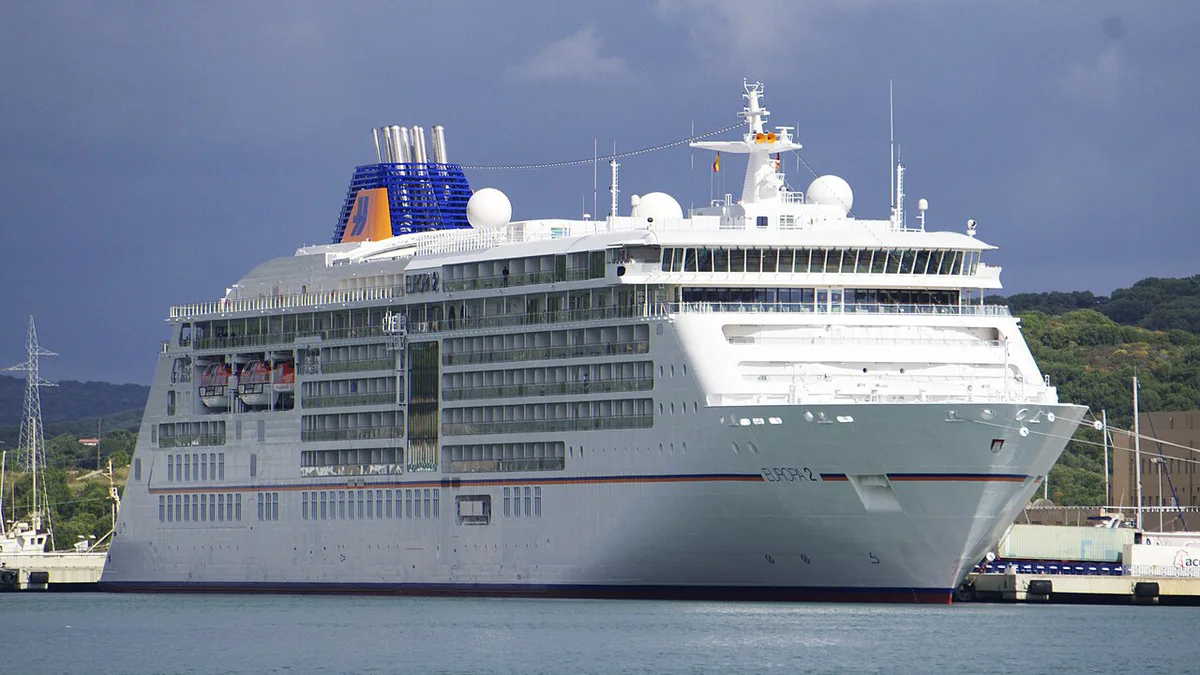
Road closures reshape central Ciutadella during the festival's three core days. Cars lose access to Plaça des Born and the streets around it while events are running. A festival bus service, often called the Jaleo Bus locally, adds routes from Maó and other towns for June 23 and 24. Parking near the old town fills early, so leave the car further out and plan to walk in. The same crowd logic applies elsewhere in the Balearics: Palma closes central streets for its own summer nights, including the Sant Sebastià festival. If you've navigated that event before, Ciutadella's closures will feel familiar. Check the Ajuntament de Ciutadella's official festival page for the exact 2026 closure map before you drive in. Build in extra walking time on June 23 and 24 specifically, since those are the two days when the closures are tightest.
Where to Stand, What to Book, and What Sant Joan Costs
Every core event is free to watch from a public street or square. Caragol des Born, Jocs des Pla, the Caragol de Santa Clara, and the Dia des Be procession all cost nothing to attend. The real festival-week expense is a bed, not a ticket. Rooms and apartments inside Ciutadella's old town typically sell out for Sant Joan 6 to 12 months ahead. Treat that lead time as your real deadline, well before you worry about any single event's cost. Budget the rest for food, drink, and a glass of Ginet at a bar terrace.
| Event | Date | Crowd Level (editorial assessment) | Best Vantage Point |
|---|---|---|---|
| Dia des Be | June 21 | Low | Streets near the Caixer Senyor's house |
| Primer Toc a Cas Caixer Senyor | June 23, early afternoon | Moderate | A side street back from the house entrance |
| Caragol des Born | June 23, around 5pm | High | Plaça des Born perimeter, arrive early |
| Jocs des Pla | June 24, evening | Very high | Port area, toward the back with a clear exit |
Ginet, Hazelnuts, and the Taste of Sant Joan
Sant Joan has its own flavors and scents, and they're as much a part of the festival as the horses. Ginet, a mix of Menorcan gin and lemonade, is the festival's signature drink, served at bars and street stalls throughout the old town during the main days. Traditional sweets, including ensaimadas, appear on the berenetes tables set out during the Caragol de Santa Clara. Wild chamomile gets scattered through some festival streets, and its scent mixes with the smell of horses and packed crowds. Hazelnuts stay part of the sensory picture too, thrown by the handful during Sa Correguda after the Caragol des Born, a tradition locals still call the war of hazelnuts.
Horse Safety and Festival Etiquette
Horses in Sant Joan are trained for crowds, but a rearing horse is still an animal under real physical strain. Standing too close is the single biggest risk factor for spectators during the Caragol des Born and the Jocs des Pla. Never reach for a horse's head or bridle, even if you're trying to help. If a horse leaps toward you during a bot, the safest response is to raise both hands to brace its chest or shoulder. That's the same gesture riders rely on from the crowd; grabbing at legs or the head is not. Stand at the edge of a square or street, never in the center, and always know your exit before the crowd thickens. Sant Joan is a local pilgrimage before it's a spectacle, and residents treat it with something closer to religious reverence than street-party energy. Save loud heckling for elsewhere, and step aside for families and older residents heading to a specific ceremony. June in Ciutadella runs hot, and the festival's longest processions happen in direct afternoon sun. Dehydration during a packed, standing crowd is a real risk, not a minor inconvenience.
- Water, more than you think you need
- Public taps are limited inside the old town during the festival, so carry a full bottle before you arrive.
- Closed-toe shoes
- Horses, hooves, and hazelnuts share the same paving, which makes open sandals a bad idea.
- A hat or cap
- The daytime processions run in direct sun with little shade in the main squares.
- A clear exit route
- Pick your spot with a way out already in mind, especially for the Caragol des Born and Jocs des Pla.
Beyond the Festival: Menorca in June
Sant Joan isn't the only reason Menorca gets busy in June. Wild capers ripen along the island's dry-stone walls this month, and foragers pick them before the morning heat sets in. Ask before harvesting on land that isn't clearly public. Wild chamomile also flowers in June, feeding the same street-decoration tradition mentioned above. Nísperos, the loquats that open Menorca's stone-fruit season, show up at local markets around the same weeks; look for them at any village stall alongside early cherries. After two days of horses and crowds, the coves along the west coast near Ciutadella are the easiest place to decompress. Go at sunset, once the day's heat has broken, and expect a quieter crowd than anywhere in the old town during festival week.
Frequently Asked Questions
Is Sant Joan Ciutadella suitable for children?
Dia des Be on June 21 is the easiest day for young children, with thinner crowds and a slower pace. Caragol des Born and Jocs des Pla put horses close to a dense crowd, so keep small children well back from the center of the square, or skip those two events with a stroller.
Can visitors ride the horses or become a caixer?
No. Caixer roles are tied to Ciutadella's old social structure: the caixer senyor, caixer capellà, caixers pagesos, and caixers casat i fadrí. Visitors watch from the crowd. Riding is reserved for locals inside that structure.
How does Sant Joan Ciutadella compare to other Balearic festivals?
Sant Joan is a summer solstice tradition built around horses and a fixed caixer protocol. The Sant Antoni festival in Mallorca is a winter tradition instead, built around bonfires rather than horses. The two share a Balearic identity but little else in season, symbols, or pace.
When should you book accommodation for Sant Joan 2026?
Book 6 to 12 months ahead for a room inside Ciutadella's old town. Options further from the center or in nearby towns tend to hold availability longer, though they also shrink fast in the final weeks before June 23.
Is it safe to stand close to the horses during the Caragol des Born?
The center of Plaça des Born puts you closest to the horses as they rear, which is the riskiest spot in the square. The edges give you a clear sightline and an easier way to step back if a horse leaps toward the crowd.
More Island Festivals
Menorca and Mallorca, summer and winter.