Last updated September 2026, this guide breaks down Sitges Carnival for travelers deciding when to go and how to get back to Barcelona afterward. Sitges Carnival packs an estimated 250,000 to more than 300,000 visitors into a town of roughly 30,000 residents. The sections below cover the 2026 and 2027 dates, the Sunday-versus-Tuesday parade choice, transport from Barcelona, and where to stay based on your tolerance for noise.
What Is Sitges Carnival? 2026 and 2027 Dates at a Glance
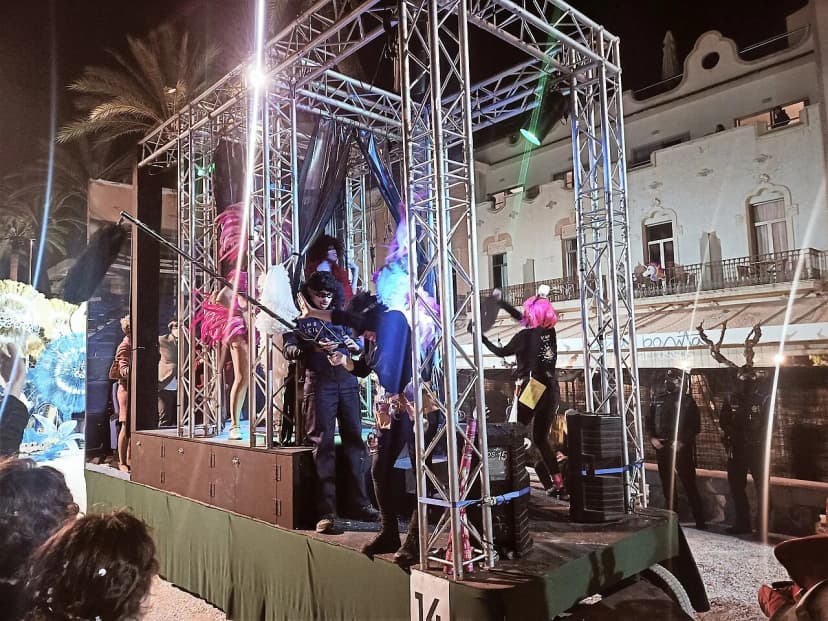
Sitges Carnival is a pre-Lent festival in a seaside town about 40 minutes from Barcelona by train. Regional tourism sources describe it as one of the oldest carnivals in Catalonia, built around 44 floats and roughly 2,500 costumed participants. Attendance estimates range from 250,000 to more than 300,000 spectators across the full program. In 2026, the core program runs from the Arribo on Thursday, February 12 through the Burial of Carnestoltes on Ash Wednesday, February 18, with presentation events starting February 7. In 2027, the equivalent window shifts to Tuesday, February 2 through Wednesday, February 10. Smaller traditions round out each week too, including the Friday-night Rua de Antes, a nostalgic dress-in-whatever-you-find parade through Cap de la Vila. 2026 also marks 50 years since organized float parades returned to Sitges' streets in 1976, after decades of restriction under Spain's Franco-era dictatorship. The town marks the anniversary with an exhibition at the Joan Tarrida Municipal Hall. Catalonia's tourism sector recognizes Sitges Carnival as a Festival of National Tourist Interest. Sitges' town council publishes official Carnival details each year. Cross-check Visit Sitges' official tourism site for last-minute program changes before you travel. Carnival is one stop on a longer trip for many visitors, so line it up against the broader festival calendar if you're routing a wider Spain itinerary.
| Year | Arribo (Fat Thursday) | Rua de la Disbauxa (Sunday) | Rua de l'Extermini (Tuesday) | Burial of Carnestoltes (Ash Wednesday) |
|---|---|---|---|---|
| 2026 | Feb 12 | Feb 15 | Feb 17 | Feb 18 |
| 2027 | Feb 4 | Feb 7 | Feb 9 | Feb 10 |
7 Essential Sitges Carnival Events and Traditions
These seven events anchor the Sitges Carnival calendar, and all of them are free to watch from the street unless noted otherwise.
- The Arribo (Fat Thursday)
- His Majesty Carnestoltes arrives by the seafront at La Fragata, backed by pyrotechnics and music, then heads toward the Town Hall.
- The route runs Fragata, Passeig de la Ribera, Bonaire, Parellades, and Cap de la Vila before ending at Carrer Major and the Town Hall.
- Carnestoltes delivers the Predicot, a satirical speech, from the Casa de la Vila balcony, opening the festival.
- The Costumed Bed Race
- The Cursa de Llits Disfressats sends decorated beds on wheels from the Casino Prado through central streets on the Saturday before the Sunday parade.
- Teams are judged on speed plus originality, with prizes for the most outrageous builds.
- It runs at midday, making it one of the few daytime spectacles on the whole calendar.
- Rua de la Disbauxa (Sunday Parade)
- The Debauchery Parade starts at 19:30 and runs the Avenida Sofia to Cap de la Vila route, with a children's version at noon the same day.
- Expect earlier crowds and a broader mix of families before the night turns into an adults-only street party.
- Both the seaside and mountain-side stretches of Passeig de la Ribera see heavy crowds during the parade.
- Rua de l'Extermini (Tuesday Parade)
- The Extermination Parade is Fat Tuesday's headline event, starting at 21:00 on the same Avenida Sofia to Cap de la Vila route.
- Organizers run the float order in reverse from Sunday, and the atmosphere is generally rowdier as Lent approaches.
- This is the parade Stoke Travel's private buses from Barcelona are built around.
- The Gay Carnival Nights
- Themed parties cluster around the T-junction of Calle Bonaire, Joan Tarrida, and Plaça Indústria.
- Mantillas Night at Parrots Pub and a separate Pink Night are among the week's recurring fixtures.
- Late-night venues including Queenz and XXL Club typically stay open past 3am during the festival.
- The Xatonada Gastronomy Tradition
- Local societies including Societat Recreativa El Retiro and Casino Prado host xatonadas, communal dinners built around xató, a salad of endive, cod, and romesco sauce.
- Related workshops run around €10 for non-member children and €15 for non-member adults, and the Masters Xatonaires cooking competition is free to enter.
- Carnival bingo nights add another social event, with cards priced around €6 to €8, and most sit-down events require advance sign-up through the hosting society.
- The Burial of Carnestoltes (Ash Wednesday)
- The satirical funeral procession leaves Plaça de l'Ajuntament, trailed by a retinue of mourning widows.
- Its route covers Carrer Major, Cap de la Vila, Parellades, Bonaire, and Passeig de la Ribera before reaching Plaça de la Fragata.
- It closes the festival and formally marks the start of Lent.
Sunday vs Tuesday: Choosing Your Parade Night
Rua de la Disbauxa and Rua de l'Extermini share the same Avenida Sofia to Cap de la Vila route. Each night still feels distinct. Disbauxa runs first, on Sunday at 19:30, and tends to draw a broader crowd earlier in the evening before the after-parties take over. Sunday's noon children's parade works as a family-friendly warm-up before that adult Rua begins. Extermini closes out the calendar on Fat Tuesday at 21:00, with the float order reversed from Sunday. By most accounts it's the wilder of the two nights, the last blowout before Lent. Families and first-time visitors who want the spectacle without the latest finish often prefer Sunday. Travelers chasing the peak of the party, including groups arriving on private buses from Barcelona, tend to target Tuesday. Visitors with only one Carnival night to spare typically choose Tuesday for the bigger finale. Both stretches of Passeig de la Ribera get dense, so stake out a curb spot early. Check the detailed parade schedule for exact viewing points along both routes.
Getting from Barcelona to Sitges: Train, Bus, or Night Bus
Three main options connect Barcelona to Sitges during Carnival: the Rodalies R2 Sud train, MonBus night buses, and private party buses. Rodalies trains take about 40 minutes each way and run frequently through the day. Fares for 2026 aren't published this far ahead of the dates, and past Carnival seasons have sometimes added extra late-night services. Demand spikes hard after both night parades end. The reality at Sitges station near midnight or 2am is long queues and a packed platform. Private operators like Stoke Travel run scheduled coaches instead, with 2026 Fat Tuesday buses priced from €34 per person including a welcome drink. Their buses leave Barcelona between 18:30 and 19:30 and return from Sitges between 1:00am and 2:00am. Even that private queue can back up once thousands of riders converge on the same pickup points after 1am. That fixed schedule trades flexibility for a guaranteed seat home. Riders staying later or arriving independently can fall back on MonBus night routes N30, N31, and N32. Confirm the 2026 Carnival-week timetable before relying on a specific departure, since schedules shift year to year.
Parades start at 19:30 (Sunday) and 21:00 (Tuesday), but Sitges station crowds don't peak until midnight or 2am—plan transport accordingly to dodge the rush.
| Option | Journey Time | Price (2026) | Best For | Trade-off |
|---|---|---|---|---|
| Rodalies R2 Sud train | About 40 minutes | Standard fare (check closer to Carnival) | Budget travel, daytime trips | Severe crowding at Sitges station after night parades |
| Private party bus (e.g. Stoke Travel) | About 40 minutes | From €34 per person (2026 Fat Tuesday route) | Guaranteed seat plus pre-party | Fixed 18:30-19:30 outbound, 1:00-2:00am return |
| MonBus night bus (N30/N31/N32) | Varies by route | Standard MonBus night fare | Staying past the last train | Confirm Carnival-week timetable in advance |
What Sitges Carnival Costs: Free Parades vs Paid Extras
Watching either Rua from the street costs nothing, since both parades are free public events along the Avenida Sofia to Cap de la Vila route. Most of the real spending happens around the parades rather than on them. Private return transport, such as Stoke Travel's 2026 Fat Tuesday bus, runs from €34 per person including a welcome drink. Local Carnival societies charge modestly for extras: cooking workshops run around €10 for non-member children and €15 for non-member adults, and Carnival bingo cards cost roughly €6 to €8. Reserved seating at indoor shows, including the Casino Prado theater program, carries its own ticket price that varies by event, so check each society's site closer to the date. Lodging is the biggest variable cost, and balcony rooms directly on the parade route can run close to three times a standard rate nearby. Budget travelers can watch both Ruas for the price of a train ticket and skip the paid extras entirely.
Street parades are free to watch, side activities run €6 to €8 for bingo or about €15 for workshops, but balcony rooms cost roughly 3x a standard room rate nearby.
| Item | Typical Cost (2026) |
|---|---|
| Street parade viewing | Free |
| Private return bus from Barcelona (e.g. Stoke Travel) | From €34 per person |
| Carnival cooking workshop | €10 (non-member child) to €15 (non-member adult) |
| Carnival bingo card | €6 to €8 |
| Balcony room on the parade route | Roughly 3x a standard room rate nearby |
Where to Stay: Matching Your Neighborhood to Your Noise Tolerance
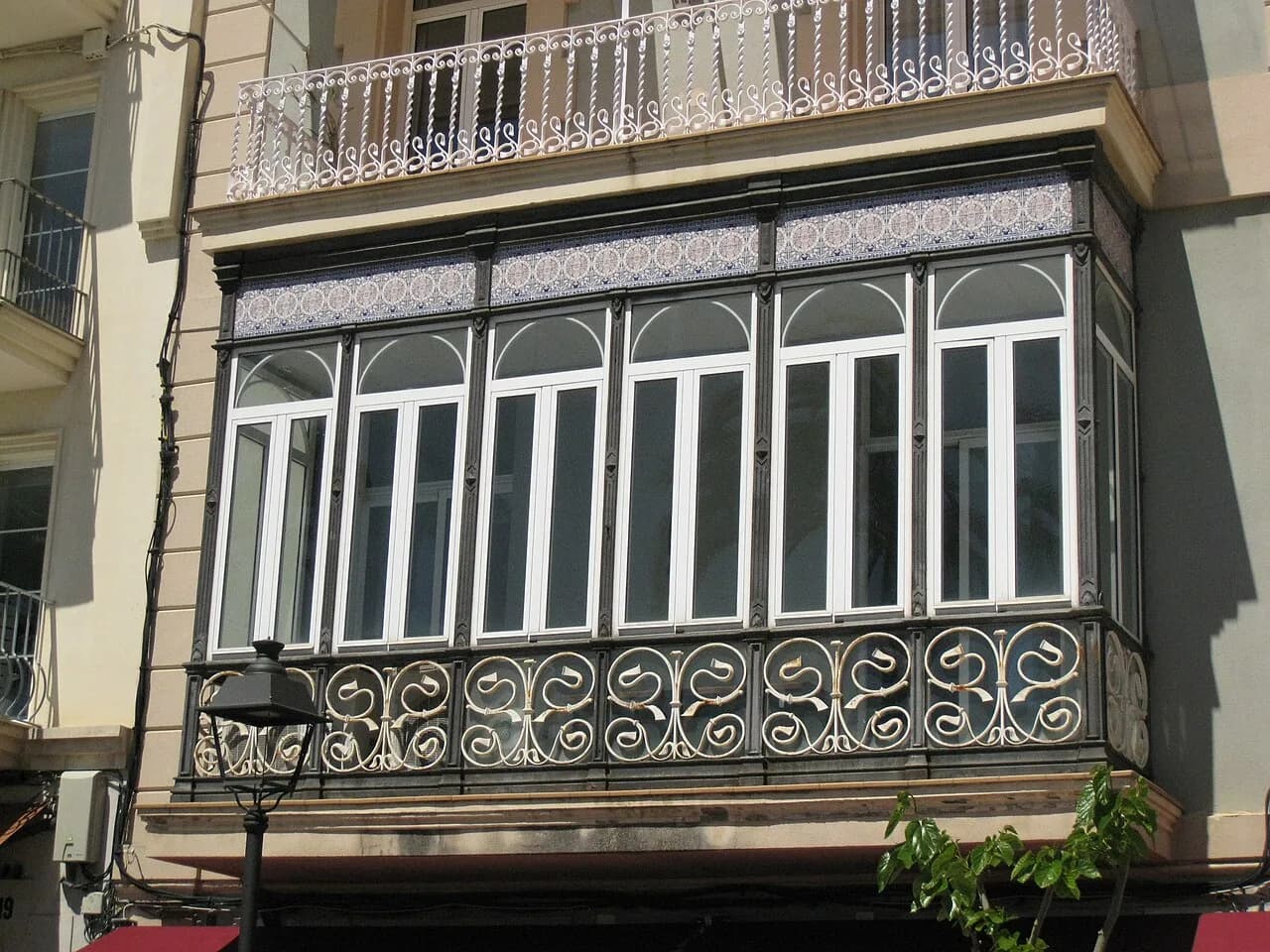
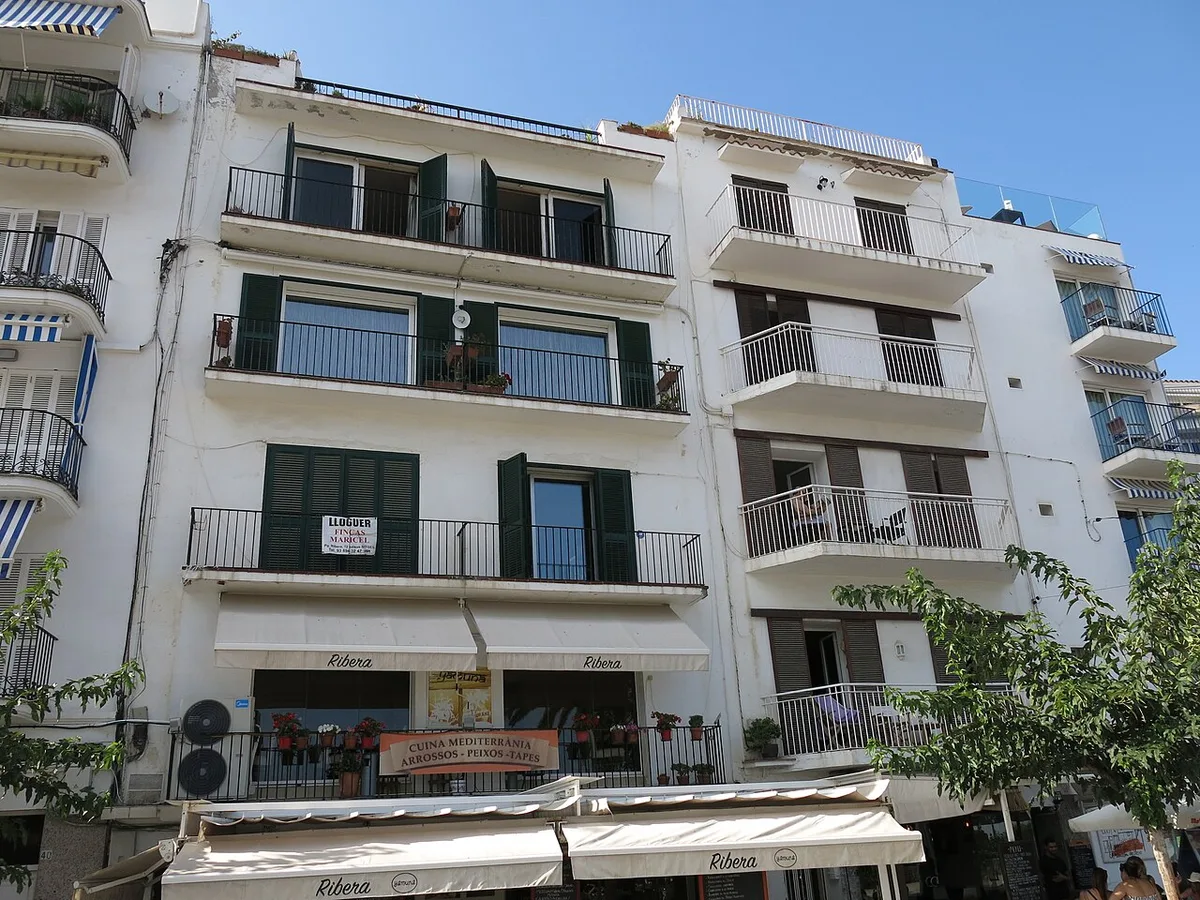
Sitges is compact enough to walk most of it in under 20 minutes, so location decisions come down to noise more than distance. Cap de la Vila and the streets around Joan Tarrida sit at the center of the action, with bars and after-parties running past 3am most nights of Carnival. Passeig de la Ribera runs along the parade route itself, and balcony rooms there let you watch both Ruas pass without fighting the street crowd. Hotel Calipolis sits on the Ribera facing the beach, within walking distance of the T-junction gay bar district described below. That balcony view comes at a markup, often close to three times a standard room rate nearby, but for the Sunday or Tuesday parade nights it can be worth the extra cost. Port d'Aiguadolç, roughly a 15 to 20 minute walk from the center, trades convenience for quieter nights and easier sleep between events. Sitges books up months in advance for Carnival, so reserve a room in any of these three areas as early as you can. First-time visitors chasing the full atmosphere tend to book the center or the Ribera. Anyone attending multiple nights in a row often books Aiguadolç instead.
The Gay Carnival Scene: The T-Junction and Signature Nights
Sitges' gay nightlife concentrates on what regulars call the T-junction, formed by Calle Bonaire, Carrer Joan Tarrida, and Plaça Indústria. Bars and clubs along this stretch run themed parties throughout Carnival week rather than just on the two big parade nights. Mantillas Night at Parrots Pub is one of the recurring fixtures, alongside a Pink Night and the Ash Wednesday Night of the Widows tradition. Touristas Night at Le Bar by Le Patio adds another themed evening earlier in the week. Widows Night follows the burial procession, with costumed mourners moving between restaurant dinners such as those at La Nansa and Le Patio. Late-night venues including Queenz, XXL Club, and Bears Dance typically stay open past 3am during the festival. Scandal, formerly known as Bunker, tends to be the last venue standing, often open until around 6am. Reservations for the Widows Night dinners fill up fast, so booking ahead matters more than it does for the free street parades.
Practical Tips: Costumes, Balconies, and Staying Safe in the Crowds
Costume culture in Sitges leans maximalist, and blending in works against you more than it protects you. Sequins, feather boas, body paint, and elaborate group themes are standard during both parade nights rather than exceptions. Balcony rooms directly on the parade route can run roughly three times the price of a standard room nearby, and they still tend to sell out first. Crowd density peaks in the hour before each Rua starts and for roughly an hour after it ends. That's also when pickpocketing risk is highest, so treat it like any other dense street festival. Keep valuables in a front pocket or a zipped bag. Agree on a meeting point with your group before the parade starts, since phone signal can drop in dense crowds. February evenings by the Mediterranean still run cold, so pack a layer to wear under the costume. If you're taking a private bus back to Barcelona, note exactly where it dropped you off, since that's also the pickup point later that night.
Sitges Carnival vs Cadiz and Tenerife: Picking Your Spanish Carnival
Spain runs several major carnival celebrations in the same pre-Lent window, and each has a distinct character. Carnaval de Cádiz Guide: Satire, Songs, and Street Party Tips centers on chirigota singing troupes performing satirical songs in the streets and theaters. Carnaval de Tenerife: Dates, Tickets and Where to Stay is built around large-scale parade groups and costume competitions across a bigger geographic footprint. Its two flagship Rua parades, float culture, and walkable town center channel that same seasonal energy into a tighter space. Travelers who want street theater and live satirical music should lean toward Cadiz. Those chasing scale and formal competition structure should lean toward Tenerife. This compact footprint suits travelers who want maximum spectacle within walking distance, plus the gay-inclusive nightlife scene described above. Many visitors pair a Sitges Carnival trip with Barcelona sightseeing on the non-parade days, given the short train ride between the two. Sitges also hosts its own international film festival later in the year, if the town earns a repeat visit beyond Carnival.
Explore carnival in other cities
Frequently Asked Questions
Is Sitges Carnival family-friendly?
Yes, especially around the midday children's parades. Both the Sunday and Tuesday programs include a children's Rua at noon, ahead of the evening adult parades. Families who want the spectacle without the latest, wildest crowds typically plan around these daytime events.
Do you need tickets for Sitges Carnival parades?
No, the street parades are free to watch along the Avenida Sofia to Cap de la Vila route. Some indoor events do require booking, including Casino Prado theater shows and members' dances like the Baile de la Disbauxa. Restaurant dinners tied to Carnival, such as the Ash Wednesday Widows Night meals, also need reservations.
What's the difference between Rua de la Disbauxa and Rua de l'Extermini?
Disbauxa runs on Sunday night at 19:30, while Extermini closes the festival on Fat Tuesday at 21:00 with the float order reversed. Disbauxa tends to draw a broader, earlier crowd, and Extermini is generally considered the wilder of the two nights. Both follow the same route between Avenida Sofia and Cap de la Vila.
How do you get back to Barcelona after the Sitges Carnival parades?
Three main options exist for getting back to Barcelona after the parades. Rodalies trains run regularly on the R2 Sud line, but expect long queues near midnight or 2am after either Rua. MonBus night routes N30, N31, and N32 cover late departures for travelers staying past the last train. Private party buses, such as Stoke Travel's Fat Tuesday service, guarantee a seat but run on a fixed schedule, typically returning from Sitges between 1:00am and 2:00am.
When is Sitges Carnival in 2027?
Sitges Carnival's 2027 edition runs from Tuesday, February 2 through Wednesday, February 10. The Arribo falls on Thursday, February 4, and Rua de la Disbauxa follows on Sunday, February 7. Rua de l'Extermini takes place on Tuesday, February 9, and the Burial of Carnestoltes closes the festival on Ash Wednesday, February 10.
Do you need a costume for Sitges Carnival?
A costume isn't required, but going without one means standing out among thousands of elaborately dressed attendees. Sequins, feather boas, and full group themes are the norm during both Rua parades. Plan your outfit before you arrive, since Carnival week isn't the easiest time to improvise one in town.
What is the T-junction in Sitges Carnival?
It's the informal name for the crossroads of Calle Bonaire, Carrer Joan Tarrida, and Plaça Indústria, where most of Sitges' gay bars and Carnival theme nights cluster. Expect it to be busiest from around 8pm until well past 2am during Carnival week.
Explore Sitges Carnival
Plan your visit around the parades, parties, and traditions that define Spain's most theatrical seaside carnival.