
Last updated July 2026, the feria de cordoba returns to El Arenal from May 23 to May 30, closing out the city's month-long spring calendar. Unlike Seville's Feria de Abril, where private clubs dominate the fairground, Córdoba's casetas stay open to any visitor who walks up. That single rule reshapes how you plan the week, from which streets to walk to how early you should arrive.
What Is the Feria de Córdoba (Feria de Nuestra Señora de la Salud)?
Officially named Feria de Nuestra Señora de la Salud, the fair marks the close of what locals call the Mayo Cordobés. It follows the Cruces de Mayo courtyard crosses held earlier in the month, moving the celebration from the historic center out to the riverside. Córdoba's Ayuntamiento dates the modern fair to the 18th century, though its fairground has moved more than once since then. In 2026 the fair runs May 23 to May 30 at the El Arenal fairground beside the Guadalquivir, according to Turismo de Córdoba. Most casetas are run by peñas, neighborhood associations, and civic groups, and nearly all keep their doors open to any visitor who walks up. That open-door policy, notes the Ayuntamiento de Córdoba, is what sets Córdoba's fair apart from Seville's. More than a million visitors are estimated to pass through El Arenal over the week, according to the same source.
How the Feria Fits Into Córdoba's Mayo Cordobés
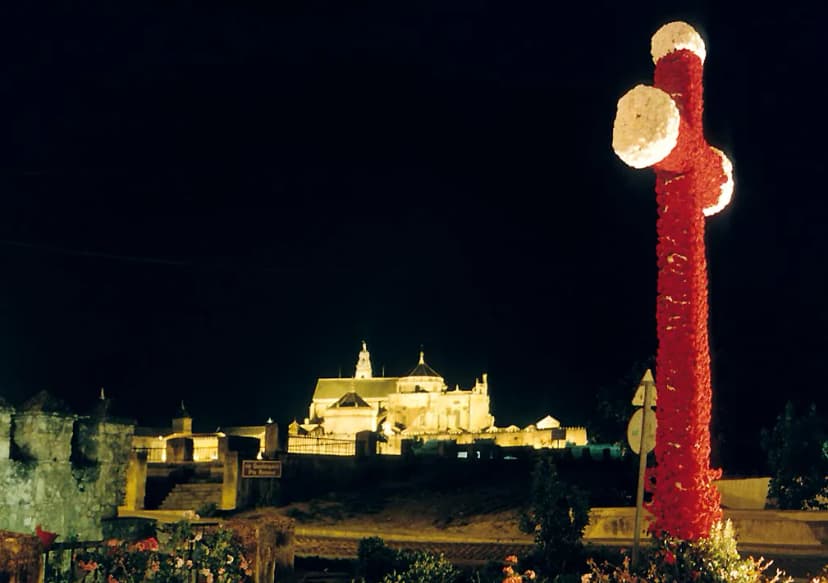
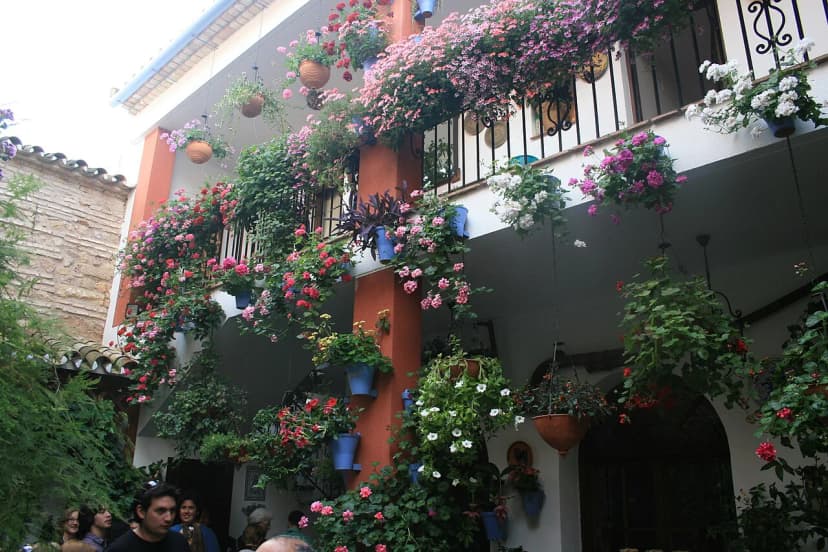
Córdoba spreads its best-known spring festivals across May, and the Feria de Córdoba closes out the run. The month typically opens with the courtyard-focused Patios festival, followed by the Cruces de Mayo. Those Cruces de Mayo flower crosses fill neighborhood squares with temporary altars and street stalls earlier in May, well before El Arenal opens for the fair. Cruces de Mayo happens across scattered squares in the historic center, while the Feria concentrates everything into one riverside fairground for a single week. Visitors planning a full Mayo Cordobés trip often see the Cruces first, then finish the month at the Feria.
Getting to El Arenal: Trains, Buses, and Taxis
El Arenal sits across the Guadalquivir from Córdoba's historic center, a short bus or taxi ride from the old town. Renfe's high-speed AVE line connects Córdoba with Madrid, Seville, and Málaga, so a same-day trip from any of the three cities is realistic during fair week. Reserve AVE seats well ahead, since late May is a high-demand period on that corridor.
With more than a million visitors expected over the week, plan your return carefully: special route 21 runs until 9:30 a.m., providing alternatives when daytime buses fill with overnight partiers.
- Renfe AVE: same-day high-speed service into Córdoba from Madrid, Seville, and Málaga
- Aucorsa: special feria bus routes run for the week, mapped on Turismo de Córdoba's published route map
- Taxi: queue directly at El Arenal, or call +34 957 764 444 or +34 957 450 000 through the city's pidetaxicordoba.es dispatch line
Accessibility at the Feria: Navilens Codes and Reserved Access
Córdoba prints Navilens codes on official Feria advertising materials. Scanning one with the free NavilensGo app gives visually impaired visitors event details in 39 languages, according to the Ayuntamiento de Córdoba's accessibility notice. Physical and communication access measures run across the fairground for the full week.
- Podotactile directional paving along Calle del Potro guides white-cane users through the fairground
- Two reserved, monitored parking zones near the Ciudad del Feriante, by the football stadium, reached from Calle José Ramón García Fernández, for blue-badge holders; a paid car park across the A-4 highway sets aside further reduced-mobility spaces
- Casetas must include an entry ramp, a low bar section, and an adapted toilet
- Three pneumatic tourist trains circulating the grounds each carry two wheelchair spaces
- Additional adapted restrooms sit along Calle Guadalquivir and near the Caseta Municipal, with five more portable units installed by SADECO
- The Cruz Roja first-aid post offers Spanish Sign Language video interpretation through the SVisual system for deaf visitors
How the Caseta Culture Works: Public Access and the Concurso de Casetas
Most Feria casetas belong to peñas, neighborhood associations, cultural groups, and even city departments. Nearly all of them keep their doors open to anyone who walks in, according to Turismo de Córdoba. A small number of private, membership-only casetas exist, but they are the exception in Córdoba. Fairground streets are laid out in orderly rows behind La Portada, so a printed or downloaded map helps on your first pass through. Some casetas keep to traditional sevillanas and copla music, while others run more modern playlists, and a growing number now add air conditioning against the late-May heat. Each year, a Concurso de Casetas judges the best-decorated tents, rewarding the associations that put the most work into their façade and interior. Walking a few streets deep, rather than stopping at the first open caseta, is the easiest way to see the range of styles on offer.
What to See and Do at the Feria de Córdoba
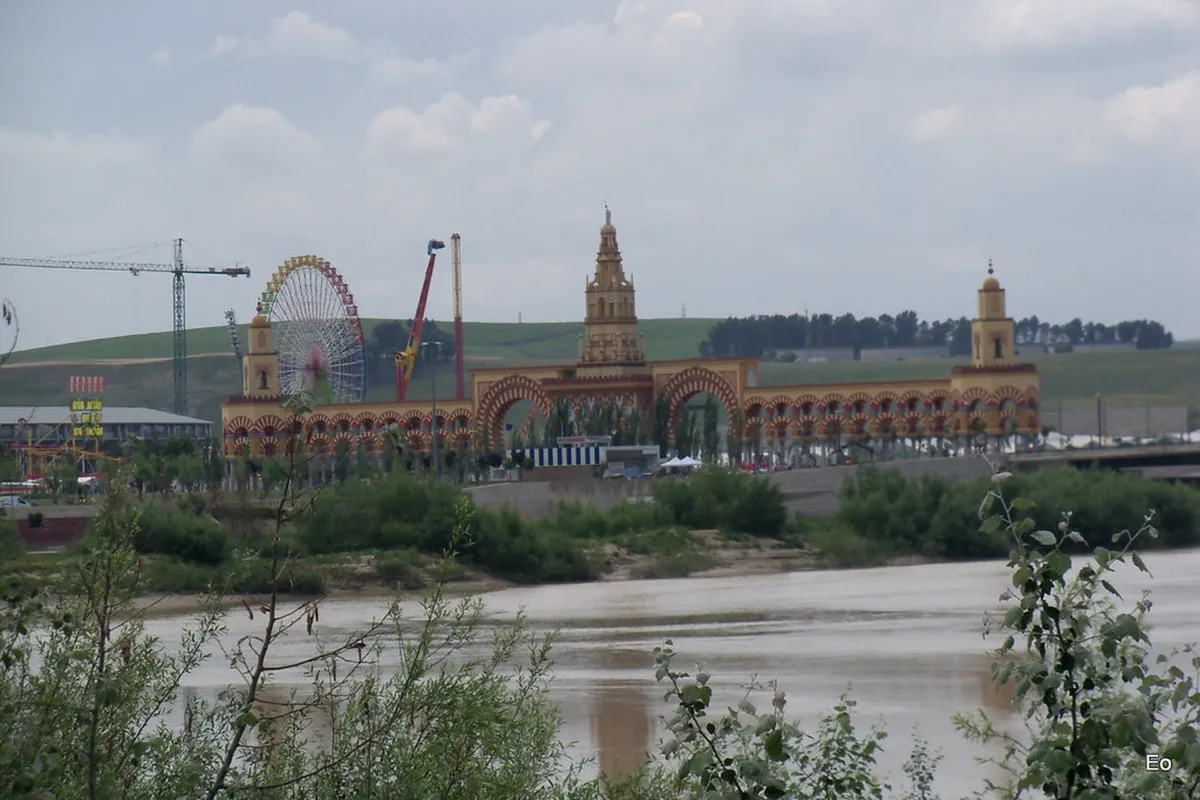
La Portada is the fair's main gateway, rebuilt each year with arches and a tower modeled on the Mezquita-Catedral's minaret, according to the Ayuntamiento de Córdoba. It has marked the entrance to El Arenal since the fairground moved there from the Jardines de la Victoria in 1994. During the day, riders and carriages take part in the Paseo de Caballos, a horse and carriage parade. An annual municipal bando governs the route, setting rules for access, mobility, and public transport around it. Riders and carriage drivers typically dress in traditional gitana and corto outfits for the parade. Families head to Calle del Infierno for the amusement park zone, with rides and games running alongside the casetas. Fireworks open the fair each year at midnight, when close to 300,000 lightbulbs across the fairground switch on at once, according to the Ayuntamiento de Córdoba.
What to Wear: Traje Cordobés, Flamenca Dresses, and the Cordoban Hat
Men traditionally wear the traje corto, or traje cordobés: a short jacket, high-waisted trousers, and the flat-brimmed Cordoban hat. Women more often choose the traje de flamenca, the fitted, ruffled dress associated with Andalusian fairs, finished with a peineta comb in the hair. Neither outfit is required to enter a caseta, and plenty of visitors attend in regular clothing. If you do dress up, save the traje cordobés or flamenca dress for the horse-parade hours, then switch to something cooler once sevillanas dancing picks up later in the caseta.
What to Eat and Drink at the Feria de Córdoba
Most casetas pour Vino Fino from the nearby Montilla-Moriles wine region, served chilled in small glasses. Rebujito, a mix of sherry and lemon-lime soda over ice, is the other fair staple, and tents often make it to their own recipe. Salmorejo cordobés and flamenquín show up on nearly every caseta menu. The first is a cold tomato-and-bread soup, and the second a rolled, breaded pork dish. Prices vary by caseta. A round of tapas and a drink typically costs about the same as ordering at any Córdoba bar, so caseta-hopping does not require paying a table minimum.
Feria de Córdoba vs Feria de Abril: Which Andalusian Fair Fits Your Trip
Córdoba's fair is often compared with Seville's Feria de Abril, held earlier in the same season. Access marks the core difference: Córdoba's casetas are mostly open to the public, while Seville's are mostly private, membership-only tents. Location differs too, since Córdoba's fair sits on the Guadalquivir riverfront at El Arenal, while Seville's runs in the Los Remedios district. Travelers building a full Andalusian fair circuit often add Jerez's Feria del Caballo, which pairs equestrian competitions with a similar open caseta scene.
| Feature | Feria de Córdoba | Feria de Abril (Seville) |
|---|---|---|
| Access | Mostly public casetas | Mostly private casetas |
| Vibe | Local and inclusive | Traditional and exclusive |
| Location | El Arenal (riverfront) | Los Remedios |
| Signature drink | Vino Fino / Rebujito | Manzanilla / Rebujito |
Practical Tips: Timing, Footwear, and Safety at El Arenal
El Arenal runs from midday to dawn each day of the fair, according to the Ayuntamiento de Córdoba. Afternoons stay slower, with families settling into long lunches inside casetas and riders parading during the Paseo de Caballos. Energy shifts after dark, when the crowd gets younger, the music gets louder, and sevillanas dancing takes over most casetas. El Arenal's ground is packed dirt and gravel, and by the second half of the week it turns dusty underfoot. Skip open sandals or heels, and wear closed, flat shoes you don't mind getting dusty, even in a traje cordobés or flamenca dress. Cruz Roja Española staffs a dedicated first-aid post on-site for the full week, with roughly a hundred volunteers, several ambulances, and treatment areas for respiratory issues, injuries, and minor cuts. That post also runs a 14-bed Unidad de Reanimación Etílica for alcohol-related cases, plus a lactation room and a psychological support room added in 2018. Keep a downloaded or printed fairground map handy, since the grounds draw large crowds on the busiest nights.
The fair runs midday to dawn each day, but opening night stands out: close to 300,000 lightbulbs switch on at midnight, creating the week's most spectacular visual moment and drawing peak crowds.
Using Aucorsa’s Special Feria Buses
Aucorsa operates 13 special routes, numbered 21 to 33, linking Córdoba’s districts with El Arenal during the Feria. These services continue after most regular city buses have finished, making them useful for late-night returns.
- Most special routes run until the final departure at 6:30 a.m.
- Route 21 continues later, with departures from El Arenal until 9:30 a.m.
- Peripheral routes E, N, O1, O2, and T receive selected weekend services between 2:00 and 4:45 a.m.
Consult Aucorsa’s Feria map before leaving your accommodation because the correct route depends on your district. The map shows outbound stops, return boarding points, and operating periods for each service.
Regular routes 3 and 14 may follow temporary diversions near the fairground. The C2 service can also be suspended during specified periods. Check the live Aucorsa notice before relying on a normal stop.
At El Arenal, confirm the route number before joining a queue. Several special buses depart from the same transport area, and late-night crowds can make boarding points harder to distinguish.
Frequently Asked Questions
When is the Feria de Córdoba in 2026?
The 2026 Feria de Córdoba runs from May 23 to May 30 at the El Arenal fairground, according to Turismo de Córdoba. Confirm exact hours and any schedule updates against the official municipal program before you travel.
Do you need an invitation to enter a caseta at the Feria de Córdoba?
No. Almost all Córdoba casetas are open to the public, unlike Seville's Feria de Abril, where private membership tents are the norm. You can walk into nearly any caseta at El Arenal without an invitation, though a small number stay private.
How do you get to El Arenal for the Feria de Córdoba?
Renfe's AVE service reaches Córdoba from Madrid, Seville, and Málaga for a same-day trip. From the city center, Aucorsa runs special feria bus routes for the week, and taxis queue at the fairground. You can also call Córdoba's taxi dispatch line at +34 957 764 444 or +34 957 450 000.
What should you wear to the Feria de Córdoba?
Formal dress is not required; plenty of visitors wear regular clothes, especially during the day. If you want tradition, men typically wear the traje cordobés with the flat Cordoban hat, and women wear the traje de flamenca with a peineta comb. Save the dressier option for the Paseo de Caballos hours, then switch to something cooler once the dancing starts.
Is the Feria de Córdoba accessible for visitors with disabilities?
Yes. The Ayuntamiento de Córdoba runs several accessibility measures at El Arenal, including Navilens audio codes, podotactile paving on Calle del Potro, and reserved parking near the Ciudad del Feriante. Casetas must also include a ramp, a low bar section, and an adapted toilet, and the Cruz Roja post offers Spanish Sign Language video interpretation.
How is the Feria de Córdoba different from Seville's Feria de Abril?
Access is the main difference: most Córdoba casetas are public, while most Seville casetas require membership or invitation. Córdoba's fair also sits on the Guadalquivir riverfront at El Arenal, while Seville's runs in the Los Remedios district. Travelers doing both often treat Córdoba as the easier fair to walk into on short notice.