Last updated August 2026, this semana santa leon processions guide breaks down where León's 16 cofradías move through the city and when to stand for each one. Holy Week here runs about 10 days and features more than 30 processions, from the family processions of Palm Sunday to the dawn Encuentro on Good Friday. Expect a more austere, Castilian style than Andalusia's, built around silent marches, wooden pasos, and the local brotherhoods known as papones.
Semana Santa León Processions: The Basics Guide
León's Holy Week processions run on a distinct set of numbers, and knowing them helps with planning. Locals call the brothers papones, a term unique to León that sets the city apart from the hooded nazarenos seen further south in Andalusia. Processions move against a Gothic backdrop, anchored by the cathedral known as the Pulchra Leonina, rather than the baroque churches typical of Seville or Málaga. Each cofradía keeps its own route, statutes, and history. Some date back centuries, so no two processions look quite alike even within the same week. The Ayuntamiento de León lists Holy Week among the city's events of International Tourist Interest, a designation granted in 2002. For the full rundown of León's Holy Week beyond processions, see the León Holy Week overview. Readers comparing festivals across Spain can also check the Spain festival calendar.
- 16 cofradías (brotherhoods) organize the season
- More than 30 processions run through the city
- The full calendar spans about 10 days
The Papones and the Cofradías Behind Every Paso
Each cofradía owns one or more pasos, the wooden sculpture groups carried through the streets on wooden platforms. Braceros shoulder that weight underneath, often for hours at a stretch. A banda de música sets the pace for some brotherhoods, while others walk their more austere processions in silence. Several of the pasos carried through León were made by Juan de Juni and Gregorio Fernández, two of the defining sculptors of Spanish religious imagery from the 16th and 17th centuries. Their carved figures of Christ and the Virgin anchor some of the week's most recognizable pasos, prized as much for craftsmanship as for devotion. Some cofradías in León date back centuries, passing their pasos and traditions down through generations of papones. Look for each cofradía's posted notes along the route to trace individual pasos back to these workshops.
Palm Sunday to Holy Wednesday: La Borriquilla and the Procession of Silence
Palm Sunday 2026 falls on March 29, when La Borriquilla opens the week. Children often join this procession, since it reenacts Christ's entry into Jerusalem on a donkey. It draws a lighter, daytime crowd along the route. Monday and Tuesday keep a lower profile, with smaller processions that stay closer to their home neighborhoods rather than the main routes through the center. These are the days to catch a cofradía up close without the density of Good Friday, since routes run shorter and crowds stay thin. Holy Wednesday shifts tone with the Procession of Silence, walked without music or applause through darkened streets. That silence is the point. There are no bands and no clapping, just the shuffle of braceros and the creak of the pasos.
Holy Thursday Night: The Cena del Señor and the Entierro de Genarín
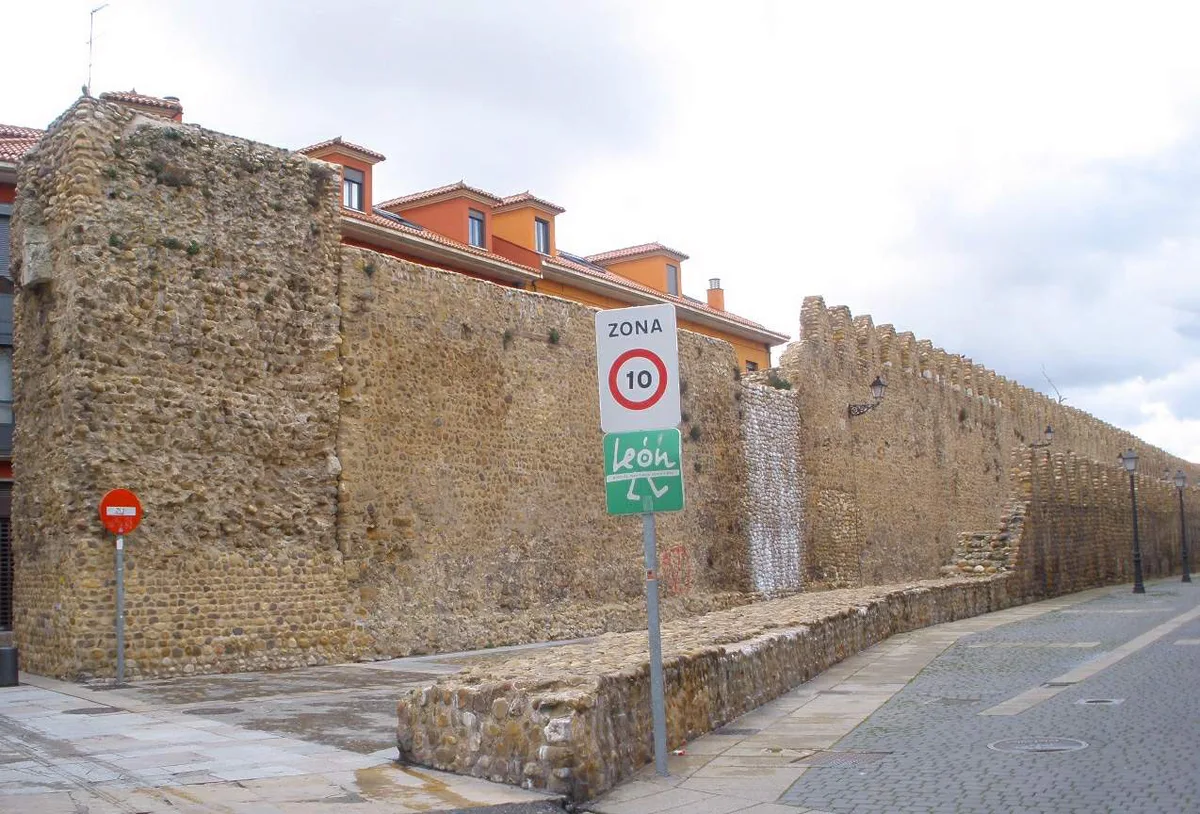
Holy Thursday, April 2 in 2026, centers on the Procession of the Cena del Señor, which reenacts the Last Supper through León's streets. Later that same night, the Entierro de Genarín draws its own crowd through the Barrio Húmedo. This satirical, non-religious procession follows the legend of a local sausage vendor who died against the city wall after a night of drinking. It runs alongside the religious calendar rather than as part of it, and it has its own loyal following independent of the cofradías. Plan your route through the neighborhood before midnight, since the overlap between the two events fills its narrow lanes fast. Bars in the Barrio Húmedo stay open later on this specific night than on other evenings of the week.
Barrio Húmedo welcomes visitors on April 2 with extended bar hours, but becomes nearly impassable the following day when Good Friday crowds surge toward the Encuentro.
Good Friday: La Ronda, the Pasos, and the Encuentro
Good Friday, April 3 in 2026, is León's peak day for processions, with more happening than on any other day of the week. It opens before dawn and builds steadily toward the year's largest crowd in Plaza Mayor. Listen for La Ronda's drums and trumpets near the historic center if standing outside at 3 AM doesn't suit your schedule. Nine hours later, the day's main procession is still moving through the city, so plan for a long stretch of standing if following it start to finish.
- La Ronda: the Cofradía del Dulce Nombre de Jesús Nazareno calls the city at 3:00 AM with drums and trumpets
- Procession of Los Pasos: 13 statues carried over roughly 9 hours
- The Encuentro: images of Christ and the Virgin meet in Plaza Mayor, drawing the week's largest crowd
Easter Sunday: The Encuentro of the Resurrected Christ
Easter Sunday closes the week on April 5, 2026, with a second Encuentro, this time between the Risen Christ and the Virgin. Crowds thin considerably compared with Good Friday, making it a calmer bookend for anyone touring León's routes across multiple days. Tone shifts from mourning to celebration to close out the season's 10 days of processions. Many visitors treat this final procession as an easier way to see a paso up close after skipping the density of Good Friday.
Where to Stand: Plaza Mayor, Barrio Húmedo, and Calle Ancha
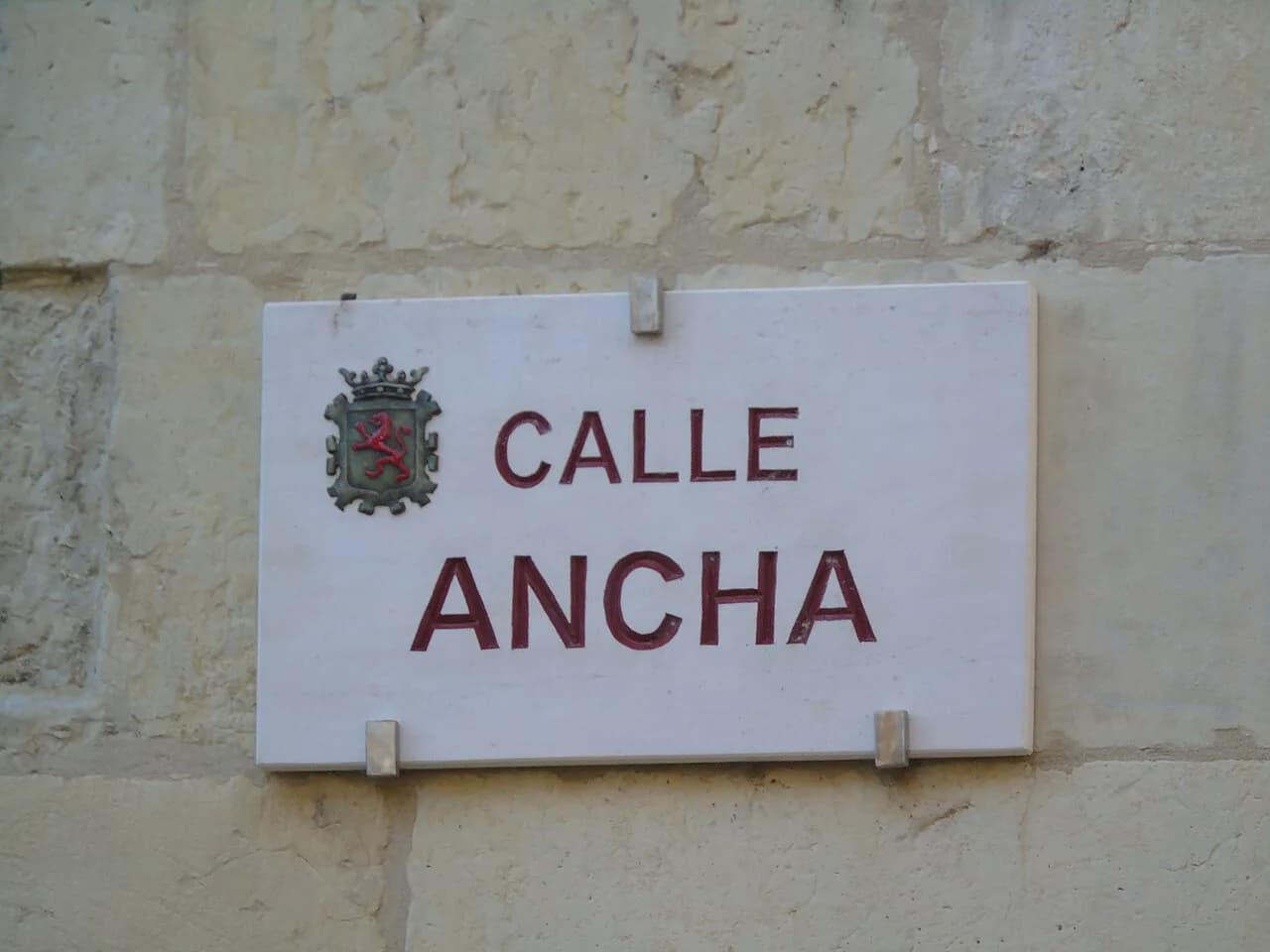
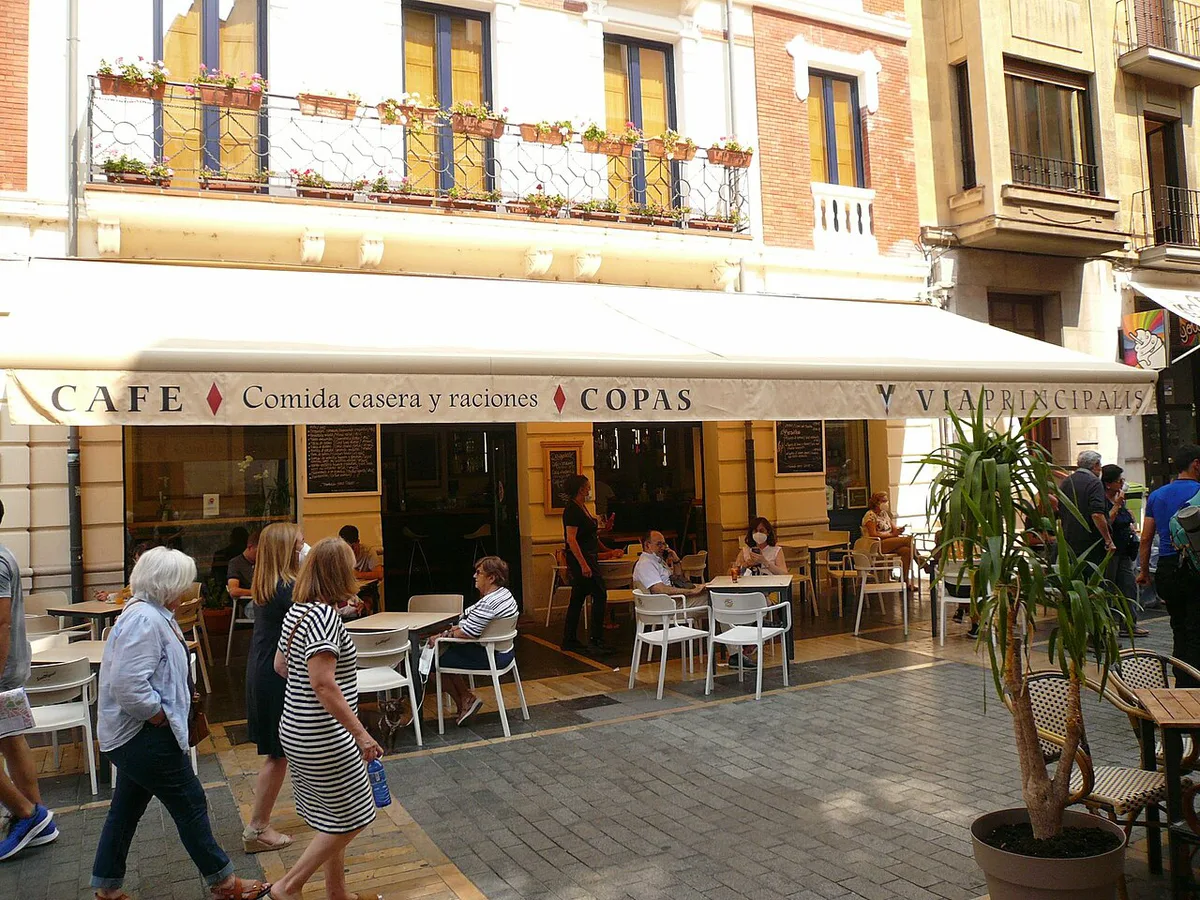
Plaza Mayor offers the most organized view, with tribuna seating available for the Encuentro and clear sightlines across the square. Expect it to fill early on Good Friday, since it's also where the week's largest crowd gathers before the images meet. Barrio Húmedo trades comfort for atmosphere. Its narrow alleys put processions within arm's reach, but make it hard to move once a paso enters the street. Calle Ancha works as a middle ground, wide enough for standing room without the crush of the old quarter. Near the cathedral, the Pulchra Leonina's façade provides a fixed backdrop for photos, and several routes pass directly in front of it. Travelers comparing routes elsewhere in Castile can look at Valladolid's Holy Week processions for a nearby alternative.
Getting to León and Handling the Crowds
León's FEVE station handles regional narrow-gauge arrivals from other parts of northern Spain, useful for travelers coming from nearby provinces rather than direct from Madrid. RENFE's high-speed line connects the city to Madrid, making a day trip or short stay straightforward during Holy Week. Once in the city, Barrio Húmedo becomes impassable during peak processions, especially around La Ronda and the Good Friday Encuentro. Arrive at least an hour early if aiming for a spot inside the old quarter, since side streets fill fast once a paso is announced nearby. Hotels near the historic center book up fastest for the nights around Holy Thursday and Good Friday, so reserve well ahead. Zamora, a short drive from León, runs its own well-known Holy Week events. See Zamora's Semana Santa guide for details if comparing regional options before booking.
Good Friday's La Ronda begins at 3:00 AM; arriving well before dawn ensures a viewing spot before crowds fill narrow streets and become nearly impassable.
What to Wear and What to Eat During Holy Week
Dress codes aren't enforced for spectators, but dark, modest clothing helps blend in near the cofradías rather than standing out against the mood. Comfort matters more in practice. Early processions like La Ronda start in cold pre-dawn air, so layers and sturdy shoes serve better than formal wear for hours of standing. Locals keep a tradition called Matar Judíos around the processions, sharing limonada, a wine-and-fruit drink, in the streets and bars of the old quarter. Torrijas, bread soaked in milk or wine and fried, appear on menus throughout the week as the season's signature dessert alongside the limonada. For a sharper contrast in style, Seville's Holy Week traditions lean more festive and crowded than León's.
León vs. Cuenca and Málaga: Comparing Three Holy Week Styles
León's solemn, Castilian style stands apart from other Spanish regions during Holy Week. Turismo Castilla y León profiles the region's Holy Week processions, including León's, as among Spain's traditional highlights. This comparison sits León alongside Cuenca's Holy Week processions. It also weighs León against Málaga's Holy Week celebrations. León favors silence and wooden pasos carried by braceros, while Málaga leans toward larger crowds and a livelier atmosphere. Cuenca sits closer to León in tone, known for its own Procession of Silence through a historic hilltop setting. Deciding between them often comes down to preference: austere and Castilian, or festive and Andalusian.
| City | Atmosphere | Key Iconography | Crowd Density |
|---|---|---|---|
| León | Solemn, austere, Castilian | Pasos by Juan de Juni and Gregorio Fernández; papones | Heaviest at the Good Friday Encuentro, lighter on weekdays |
| Cuenca | Solemn, especially its Procession of Silence | Processions through a historic hilltop old town | Moderate |
| Málaga | Festive, celebratory | Large city-center processions | Very heavy |
Pair this with our broader León tourism attractions guide for the full city overview.
Frequently Asked Questions
Is it free to watch León's Semana Santa processions?
Standing along any public route is free for every procession during the week. Plaza Mayor's tribuna seating for the Encuentro is a separate, ticketed option handled by the organizing cofradías rather than the city itself. Check the Junta Mayor de Cofradías' seasonal announcements, or the city's official channels, for current tribuna access before you travel. Free standing spots along Calle Ancha or near the cathedral remain the lower-cost way to watch, if you arrive early enough to claim one.
What time do León's Holy Week processions start and end?
Times vary by day, from La Borriquilla's daytime start on Palm Sunday to La Ronda's 3:00 AM call on Good Friday. The Procession of Los Pasos alone runs about 9 hours once it begins at dawn on Good Friday. Evening processions like the Cena del Señor and the Procession of Silence typically run into the night rather than wrapping up early. Check each cofradía's posted schedule close to your travel dates, since exact timing can shift slightly year to year.
Is Semana Santa in León suitable for children?
La Borriquilla on Palm Sunday works best for families, since it runs during the day and keeps a lighter tone than later processions. Later processions, especially La Ronda at 3:00 AM and the multi-hour Good Friday routes, suit older visitors better than young children. Daytime viewing from Calle Ancha also avoids the tightest crowds of the Barrio Húmedo at night, which can be difficult with a stroller or small kids.
What is La Ronda, and when does it happen?
La Ronda is a 3:00 AM call through León's streets on Good Friday, led by the Cofradía del Dulce Nombre de Jesús Nazareno with drums and trumpets. It wakes the city ahead of the day's main processions rather than serving as a procession itself. Standing near the historic center lets you hear it without joining the full early-morning walk through the old quarter.
How do you get to León for Holy Week?
RENFE's high-speed line connects León to Madrid, making the city reachable without a car for a short trip. A regional FEVE connection adds narrow-gauge routes from other parts of northern Spain for travelers coming from nearby provinces. Book transport and lodging well ahead of Good Friday, since that's the week's busiest single day for both trains and hotel rooms.