Last updated July 2026, the Romería del Rocío draws over a million pilgrims to a village with no paved streets in the Huelva countryside. Each Pentecost weekend, more than 120 hermandades travel on horseback, in ox-drawn carts, or on foot toward the Hermitage of El Rocío in Almonte. This guide covers the 2027 dates, the four pilgrimage routes, and the practical trade-offs of visiting Europe's largest pilgrimage.
What Is the Romería del Rocío?
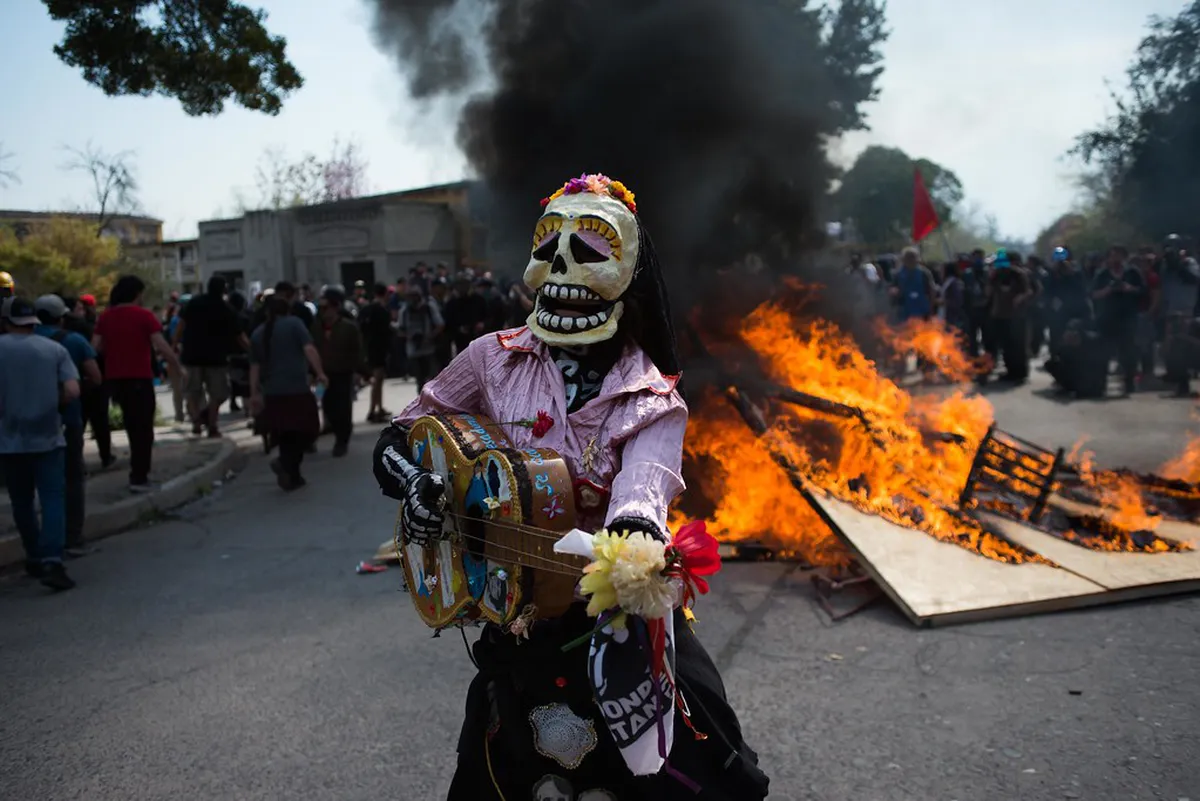
The Romería del Rocío is an annual pilgrimage to the Hermitage of El Rocío, in the countryside of Almonte, Huelva province. Pilgrims travel there each Pentecost to honor Nuestra Señora del Rocío, a statue known locally as the Blanca Paloma. More than a million people and upward of 120 hermandades, or brotherhoods, converge on the village most years, including an estimated 20,000 riders who arrive on horseback. El Rocío sits 17 kilometres from the town of Almonte and has no paved roads. Sand streets and hitching posts stand empty most of the year, then fill with horses, ox carts, and campfires for three days straight. The pilgrimage tradition dates to 1653, when the Virgin was named patron saint of Almonte, and she was formally crowned at El Real del Rocío in 1919. Alongside Córdoba's patio courtyards festival, it ranks among Andalusia's most attended spring gatherings. Even so, the mood differs sharply from the solemn Holy Week processions in Málaga.
When Is the Romería del Rocío in 2027?
Spain's official tourism site lists the 2027 Romería del Rocío running from Friday, May 14, through Monday, May 17. Its date follows the liturgical calendar, landing on Pentecost weekend, 50 days after Easter Sunday. Pentecost Sunday falls on May 16 in 2027, with the climax arriving in the hours after midnight. Brotherhoods based in Seville, Huelva, and Cádiz start their camino, or journey, days earlier. Many spend up to a week on the road before reaching El Rocío, sleeping outdoors along the way.
The Four Pilgrimage Routes to El Rocío
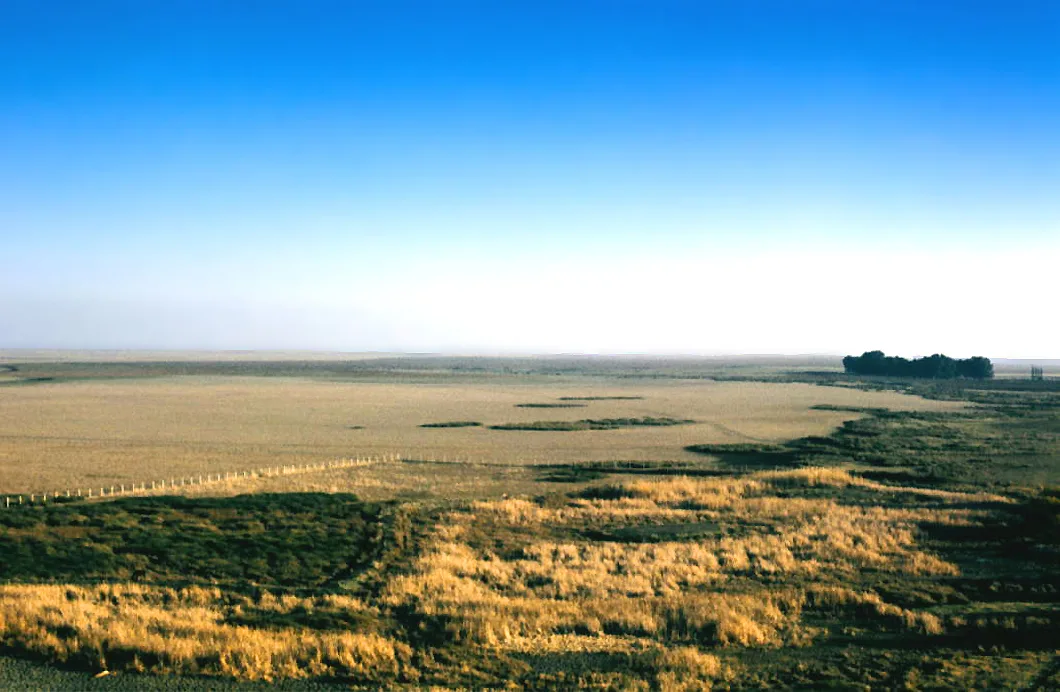
Four routes lead to El Rocío, and each one starts from a different brotherhood's home base. This comparison reflects our editorial assessment; no single route suits every pilgrim or visitor. Seville Way brotherhoods are the most numerous, and its path draws the heaviest crowds. Sanlúcar Way pilgrims cross the Guadalquivir River at El Bajo de Guía before entering Doñana National Park. That river crossing makes it the most scenic of the four, according to Spain's tourism board. Moguer Way serves brotherhoods from Huelva city and its surrounding towns. Los Llanos, the oldest of the four routes, runs directly from Almonte.
Four distinct routes serve pilgrims from different starting points, though all converge on El Rocío, which sits 17 kilometres from Almonte on sand streets with no paved roads.
| Route | Starting Point | Scenery | Crowd Level | Difficulty |
|---|---|---|---|---|
| Seville Way | Seville | Farmland and pine groves | Highest | Moderate |
| Sanlúcar Way | Cádiz, via El Bajo de Guía | Guadalquivir crossing, Doñana wetlands | Moderate | Highest |
| Moguer Way | Moguer and Huelva | Coastal pine forest | Moderate | Moderate |
| Los Llanos Way | Almonte | Open plains | Lowest | Easiest |
The Romería del Rocío Schedule: Friday to Pentecost Monday
Across four days, the romería follows a set rhythm of arrivals, masses, and processions.
- Friday and Saturday: brotherhoods arrive at their houses in El Rocío and present their Simpecados, the brotherhoods' banners, at the sanctuary.
- Sunday, 10 a.m.: a Pontifical High Mass takes place at El Real del Rocío, next to the sanctuary, with all hermandades in attendance.
- Sunday night: pilgrims pray the Rosary by candlelight, marching from the Eucaliptal grounds toward El Real del Rocío.
- Monday, in the hours before dawn: the Salto de la Reja, when members of Almonte's brotherhood jump the sanctuary railing to carry the Virgin's statue outside. Timing is spontaneous, but recent years have clustered around 2 a.m. to 6 a.m.
- Monday morning: the Blanca Paloma is carried through El Rocío's streets to each brotherhood's house before returning to the sanctuary.
Where to Stay and How to Get to El Rocío
Three towns cover most lodging options: El Rocío itself, Matalascañas on the coast, and Almonte inland. Rooms inside El Rocío are typically booked years ahead and priced at a premium for romería weekend. Matalascañas, a beach town near the sanctuary, and Almonte generally cost less and still sit within reach of the event. Attending the romería costs nothing on its own; there's no gate or ticket for pilgrims or visitors. Lodging is where the real expense shows up, especially close to the sanctuary. Standard cars struggle on El Rocío's sand streets, so most brotherhoods rely on 4x4 vehicles or horses to get around during the romería. Andalusia's regional government, the Junta de Andalucía, typically restricts private non-4x4 traffic near the sanctuary during the event. Check its site for the current year's road closures and for shuttle bus schedules from Almonte and Matalascañas before planning arrival.
What to Wear and Pack for the Sand Village
Pilgrims wear traditional dress: men in traje corto, with striped trousers and a wide-brimmed hat, and women in traje de gitana, the ruffled flamenco dress. Visitors drawn to that costume tradition can find a similar spectacle at the Feria de Málaga. For everyone else, practical footwear and heat management matter more than the outfit.
- Closed boots or sturdy hiking shoes, not sandals or new sneakers. Sand runs ankle-deep in places, and horses churn it into fine dust.
- A refillable water bottle and a wide-brimmed hat. Temperatures in the Huelva countryside regularly top 40°C in mid-May.
- A bandana or light scarf for the dust that hangs over the main paths during peak horse traffic.
- Light-colored, breathable layers rather than dark clothing that traps heat during the midday hours.
Photographing the Romería del Rocío
Golden hour runs from about 6 to 8 a.m. and again from 7 to 9 p.m., the two windows photographers favor for warm light on the horses and costumes. Midday sun in the Marismas is harsh, and the dust thrown up by riders coats camera gear fast.
Photographers working in mid-May heat regularly topping 40°C must shoot during golden hours of 6 to 8 a.m. and again from 7 to 9 p.m. to avoid harsh midday sun and dust.
- Bring a lens cloth and a cover or bag for dust protection; the sandy paths through the Doñana marshes stay dusty for days.
- Pack extra batteries and memory cards. Shooting days of 10 to 14 hours are common among photographers who cover the event.
- Ask before photographing pilgrims up close. A simple ¿Puedo hacerte una foto? goes further than a candid shot.
- Treat the sanctuary as a place of prayer first. Frame it through the crowd rather than pushing to the front for a clear shot.
Mistakes to Avoid at the Romería del Rocío
A few avoidable mistakes account for most bad romería experiences.
- Wearing open-toed shoes or bringing pristine sneakers. The sand ruins footwear and offers no ankle support.
- Underestimating the heat. Temperatures above 40°C with little shade make hydration a real planning item, not an afterthought.
- Expecting a comfortable view of the Salto de la Reja. It's a physical surge of a crowd, not a seated event, and it happens at an unpredictable hour before dawn.
- Driving a standard car toward the sanctuary without checking road restrictions first. Sand and traffic controls strand vehicles that aren't built for the terrain.
Beyond the Pilgrimage: Doñana, Rio Tinto, and Niebla
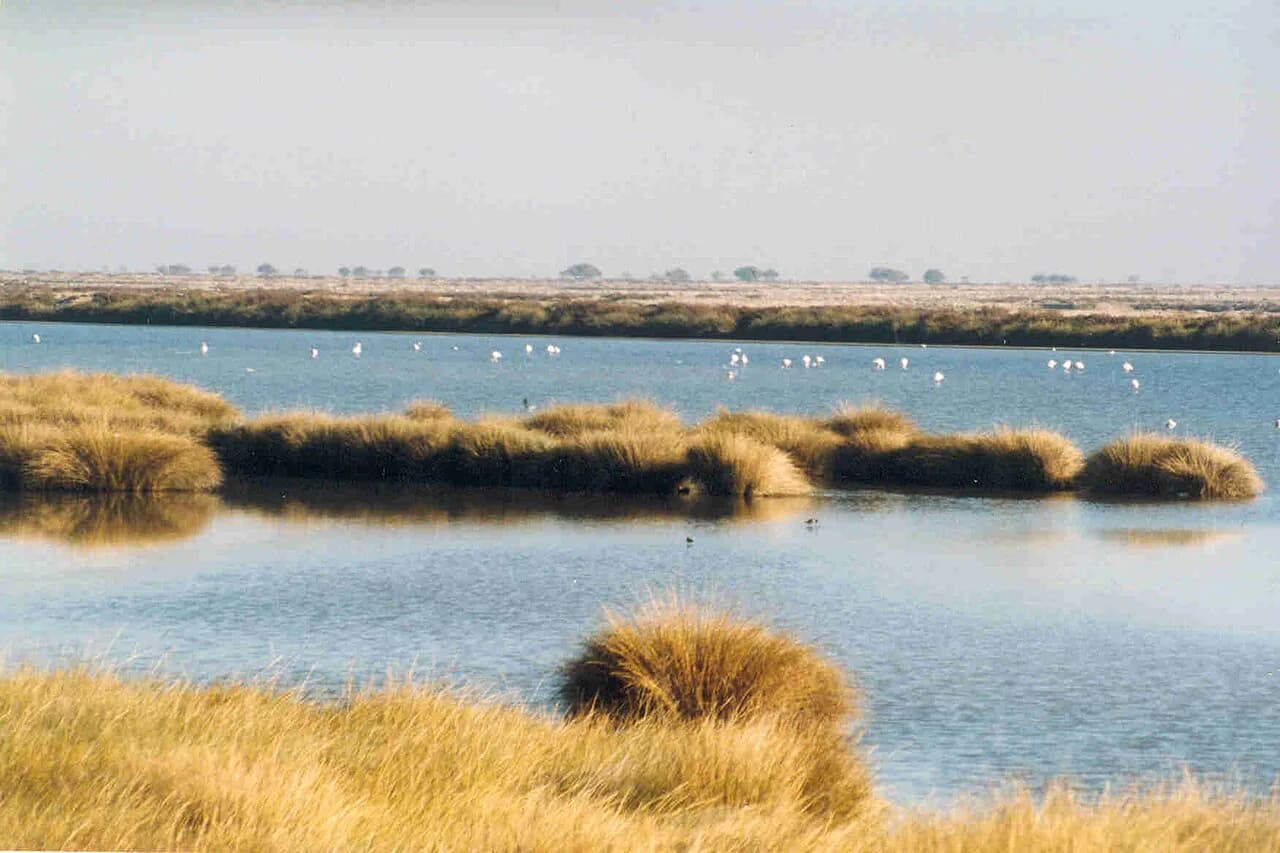
Huelva province offers a few worthwhile add-ons for travelers extending the trip. Doñana National Park surrounds El Rocío with wetlands, or marismas, where flamingos and storks gather among the grasslands. Rio Tinto, a red-tinted river northeast of Almonte, draws hikers along its banks. Niebla, a walled town on those same banks, rewards a short detour with its old fortifications. Readers interested in other distinctive Spanish festivals can look to Madrid's San Isidro festival. A different kind of devotion altogether appears in the Mystery Play of Elche.
For trip-planning details, see Romeria del Rocio official source and Almonte / regional tourism authority.
Frequently Asked Questions
Is the Romería del Rocío free to attend?
Yes. There's no ticket or entry fee for pilgrims or visitors. Budget instead for lodging, food, and any specialized transport, since those costs concentrate around the sanctuary during romería weekend.
How do you get to El Rocío without a 4x4?
Shuttle buses typically run from Almonte and Matalascañas when the regional government restricts private traffic near the sanctuary. Schedules and closures change each year, so check the Junta de Andalucía's site before you travel.
What is the Salto de la Reja?
It's the moment when members of Almonte's brotherhood jump the sanctuary's altar railing to carry the Virgin's statue outside. Timing is spontaneous, but it typically falls between 2 a.m. and 6 a.m. on Pentecost Monday. Expect a dense, physical crowd rather than a comfortable viewing spot.
When is the next Romería del Rocío?
Dates for 2027 run Friday, May 14, through Monday, May 17, with Pentecost Sunday falling on May 16.
How many people attend the Romería del Rocío?
More than a million people take part most years, arriving with upward of 120 hermandades from across Andalusia and beyond.
Can you visit El Rocío outside of the romería weekend?
Yes. Outside Pentecost weekend, El Rocío is a quiet village, and the sanctuary stays open for visits. Most restaurants and pubs close for much of the rest of the year.