Last updated July 2026, this guide covers Las Fallas Valencia — Spain's UNESCO-listed spring festival built around fire, satire, and gunpowder. The core runs five days, 15-19 March, inside a wider calendar that starts 1 March with daily Mascletà blasts in Plaza del Ayuntamiento at 14:00. Everything peaks on 19 March, La Cremà, when hundreds of monuments burn across the city.
What Is Las Fallas Valencia?
Las Fallas Valencia is a UNESCO Intangible Cultural Heritage-listed festival built around giant monuments called fallas, constructed by neighborhood commissions and burned in the street on the night of 19 March. The wider calendar runs 1-19 March, but most visitors plan around the five-day core, 15-19 March, when the monuments stand finished and the city's biggest events cluster together. UNESCO added the festival to its Representative List in 2016, recognizing the craft, satire, and community organizing behind each commission's work. Dates are fixed every year, including 2026, so 1-19 March is safe to plan around regardless of when you're reading this. Unlike Seville's Semana Santa processions, a solemn Holy Week tradition, Fallas centers on fire, satire, and civic pride rather than religious ceremony. For the wider annual picture, Spain's festival calendar maps out where Fallas sits next to the country's other major dates.
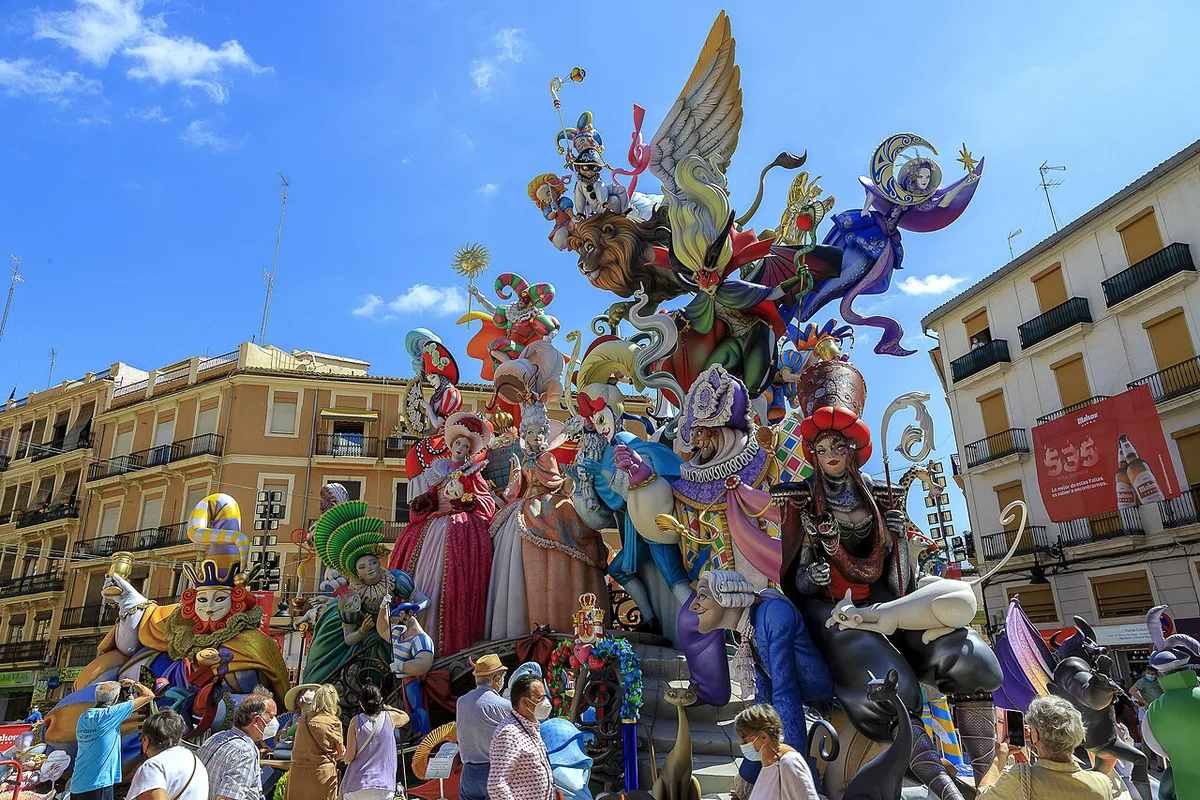
Ninots and the Secció Especial: How a Falla Comes Together
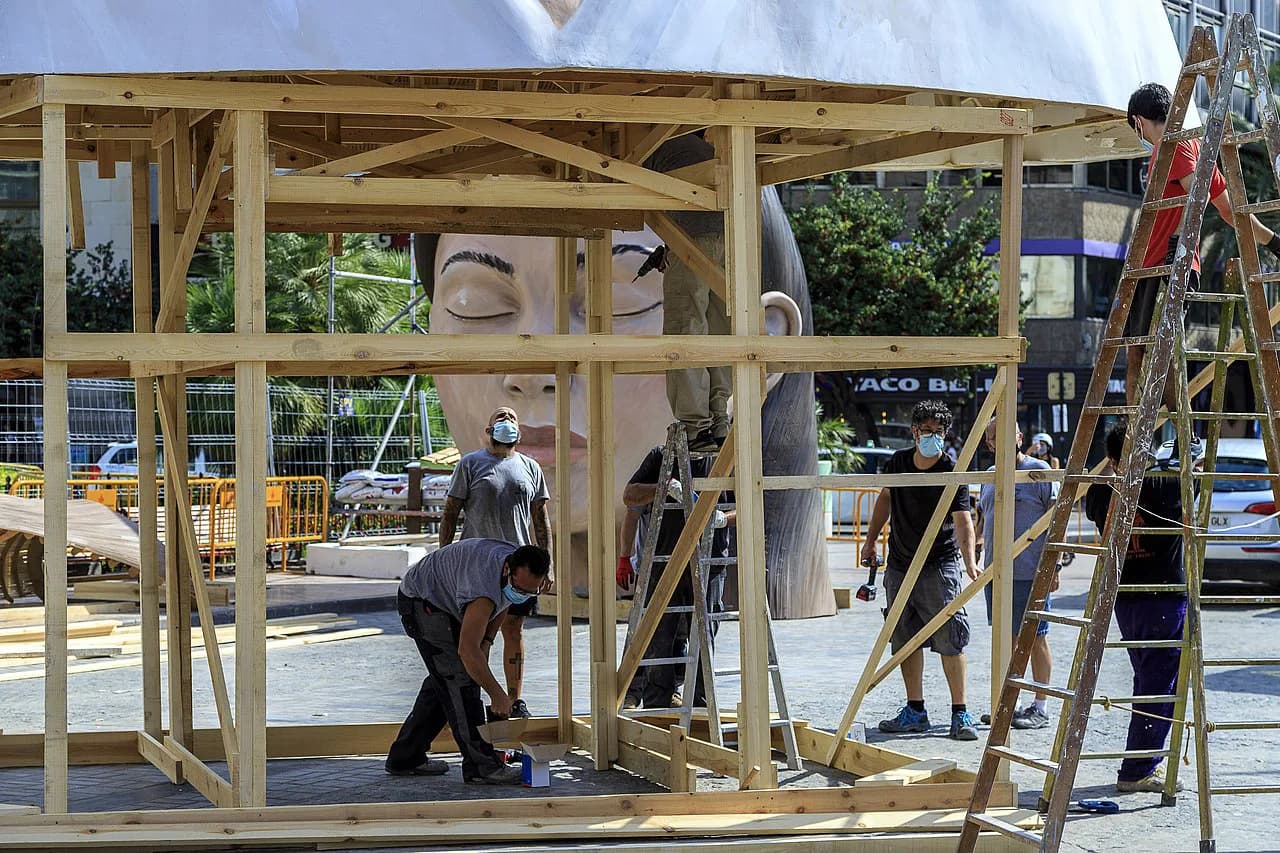
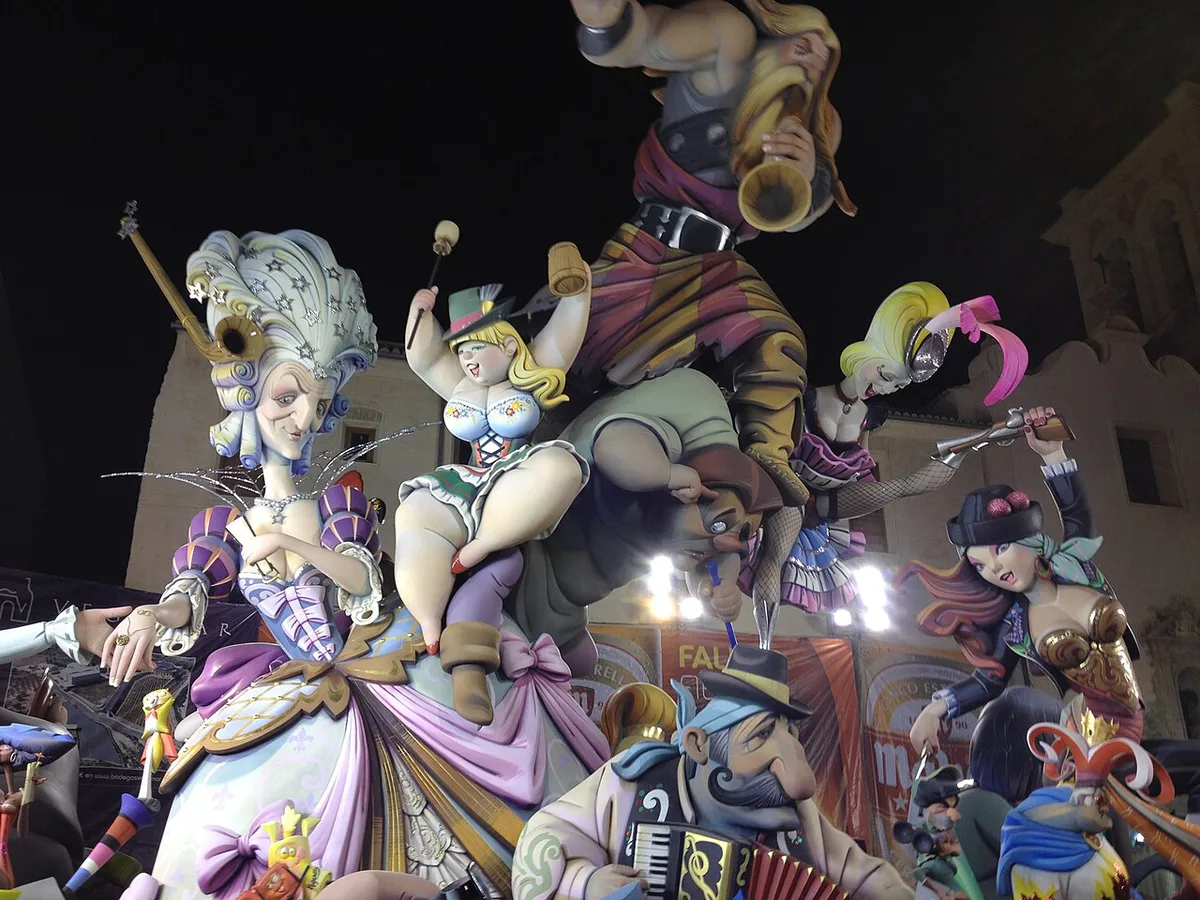
A falla is the entire monument; a ninot is one of the individual figures arranged around it, often caricaturing politicians or celebrities from the past year. Local commissions, roughly 400 of them across Valencia, spend months designing a theme, sculpting scale models, and building the final structure from wood, papier-mâché, and foam. Satire drives the artwork. Each figure comments on a news story, a public figure, or a local controversy. Explanatory panels at street level spell out the joke for visitors who don't follow Spanish politics. Monuments are graded by budget into sections, and Secció Especial sits at the top. Below it, sections split into further tiers, such as 1A and 1B, graded by each commission's build budget. Published figures put recent Secció Especial builds at €90,000 to €200,000 each, though budgets shift year to year, so treat that as a range rather than a fixed price. Before the festival, entrants compete in the Ninot Exhibition, where the public votes to spare one figure, the ninot indultat, from the fire. That winner moves to the Museo Fallero as a permanent piece. Each commission also recruits its own artista fallero, the lead designer, so repeat visitors often recognize one artist's style from year to year.
The Fallas Calendar: Key Dates and Times
The festival unfolds in stages across nineteen days, and only a few of those dates carry the big events. Use this timeline to decide which days matter most for the trip you're planning.
Firecrackers bookend every day across the 1-19 March festival: the Despertà wake-up call starts at 08:00 each morning, and the daily Mascletà at 14:00 provides the afternoon's main event, so hearing protection is essential for the entire duration.
| Event | Date | Time and Location |
|---|---|---|
| La Crida (opening proclamation) | Last Sunday of February | Evening, Torres de Serranos |
| Daily Mascletà | 1-19 March | 14:00, Plaza del Ayuntamiento |
| Ninot Exhibition | Weeks before 19 March | City of Arts and Sciences |
| La Plantà (monuments assembled) | Night of 15 March | City-wide, streets close to traffic |
| L'Ofrena de Flors (floral offering) | 17-18 March | Plaza de la Virgen |
| La Nit del Foc (main fireworks) | Night of 18 March | About 20 minutes, old Turia riverbed |
| La Cremà (the burning) | 19 March | 20:00 infantile fallas, 22:00 main fallas, 22:30 winning falla, 23:00 Ayuntamiento monument |
- Mark 19 March first: infantile fallas, the smaller monuments built for children, burn at 20:00.
- Main neighborhood fallas follow at 22:00, the season's top-scoring monument burns at 22:30, and the city-funded falla in Plaza del Ayuntamiento closes the night at 23:00.
- La Crida functions as the unofficial season opener, even though the daily Mascletà actually begins on 1 March.
- Confirm the exact 2026 dates for La Crida and the Ninot Exhibition closer to your trip. The 1-19 March window and the 19 March Cremà are the two fixed points every year.
Getting to Valencia and Where to Stay
Direct AVE high-speed trains connect Madrid to Valencia in under two hours, making Fallas an easy add-on to a longer Spain trip. From Barcelona Sants, the same AVE service takes a little over three hours. Valencia's own airport, VLC, also runs routes from several European hubs, though March schedules are worth checking directly with the airport before booking. For where to stay, the historic center holds the highest concentration of monuments, including most Secció Especial entries, and keeps you within walking distance of the daily Mascletà. Ruzafa trades some of that monument density for illuminated street displays and louder street parties, a better fit if nightlife matters more than a front-row 14:00 spot. Book six months ahead where possible. Many hotels require non-refundable, paid-in-full reservations during Fallas week, not as an occasional upsell but as standard policy. Cádiz's Carnival runs in the weeks just before Fallas, a common pairing for travelers stringing together Spain's festival season. Tenerife's Carnival runs on a similar pre-Lent calendar, for island-hopping instead of mainland-hopping.
Getting Around Once the Center Closes to Cars
Valencia's center turns pedestrian-only for the peak days, so driving near the main event zones isn't an option. Metrovalencia runs extended service on the busiest festival nights, though exact 2026 peak-day timetables are worth confirming with the operator closer to your dates. Expect to walk regardless. Distances between fallas, food stalls, and viewing points add up fast, and foot traffic thickens to a crawl near Plaza del Ayuntamiento in the hour before each Mascletà. Comfortable, closed-toe shoes matter more than usual: cobblestone streets and 15,000-plus daily steps are typical for anyone covering the festival on foot.
One Day or Three? A Decision Matrix
Plan around a trade-off: the longer you stay, the more of the calendar you catch, but hotel costs and crowd density both rise fastest across the final three days.
| Time Available | What to Prioritize |
|---|---|
| One day | Arrive by 13:00, watch the 14:00 Mascletà in Plaza del Ayuntamiento, then walk the Secció Especial monuments in the historic center before dinner. |
| Two days | Add La Nit del Foc if your dates include 18 March, plus a slower walk through Ruzafa's lighting displays. |
| Three-plus days | Time your trip around La Plantà on 15 March, L'Ofrena de Flors on 17-18 March, and La Cremà on 19 March. |
- For a sense of scale, Pamplona's San Fermín festival compresses its running-of-the-bulls chaos into nine days.
- Fallas spreads a comparable intensity across nearly three weeks, with the real crush limited to 15-19 March.
- Barcelona's La Mercè festival also uses fire, in its correfoc runs, but at a smaller civic scale than the multi-story monuments burned across Valencia each 19 March.
Eating and Sounds: Experiencing Fallas Like a Local
Two dishes define the festival's food scene. Buñuelos de calabaza, pumpkin fritters dusted in sugar, come paired with a cup of hot chocolate at street stalls and named specialists such as El Contraste in Ruzafa. Street paella, cooked over open wood fires by neighborhood commissions, turns up outside casals fallers throughout the festival, so arrive hungry and expect to eat standing. Sound matters as much as sight at Fallas. Each morning starts with the Despertà at 08:00, when brass bands and firecracker-throwing fallers march through the streets near the casals, useful to know if you were hoping to sleep in. Evenings in Ruzafa add a second layer: illuminated street displays and neighborhood light competitions that run independently of the fireworks schedule downtown.
Viewing the Monuments and Fallas Year-Round
Watching the fallas from the street costs nothing, and that covers the daily Mascletà, La Plantà, and most of the roughly 400 neighborhood monuments. Secció Especial is the exception. Several of the top-budget monuments charge €2 to €5 to enter their gated perimeter for a close-up look, and that access window is short. Highest-ranked monuments stay on display for only four days, 16 through 19 March, before they burn. Outside festival season, the Museo Fallero holds the ninots indultats, the figures pardoned by public vote across past years. Museo del Gremio de Artistas Falleros, run by the artists' guild, covers the craft side: sketches, scale models, and the tools used to build each monument. Both museums sit outside the festival's peak crowds, so a visit works well as a rainy-day or off-season option for anyone curious about the craft after the flames are gone.
Secció Especial monuments costing €90,000 to €200,000 to build are available for close viewing at just €2 to €5, offering extraordinary craft access at minimal cost for their scale and complexity.
Mistakes First-Timers Make
A handful of planning mistakes repeat every year among first-time visitors.
- Skipping ear protection: firecrackers and Mascletà blasts run for most of the 19 days, and pets are better left at home entirely.
- Arriving late to the Mascletà: a good spot in Plaza del Ayuntamiento needs 60 to 90 minutes of lead time.
- Underestimating the walking: 15,000-plus steps a day over cobblestones is typical, so skip footwear without real support.
- Booking late: hotels near the center fill up roughly six months out, and many require non-refundable, paid-in-full reservations.
Beyond the Fire: Other Things to Do in Valencia
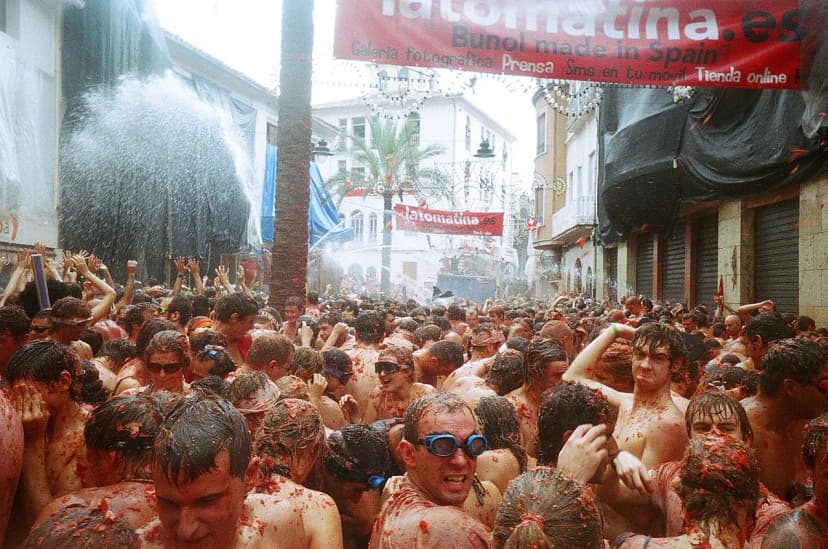
Fallas isn't the only reason to build a Valencia trip around mid-March. City of Arts and Sciences hosts the pre-festival Ninot Exhibition and is worth a return visit once the festival crowds thin. Mercado Central, a large covered food market in the center, runs normal hours through the festival and offers a calmer alternative to street stalls. Turia Gardens, a park built along the old dry riverbed, gives a quiet route on foot between neighborhoods when the streets near Ayuntamiento are packed. If the region's other festival appeals more than fire, La Tomatina 2026: The Complete Survival and Logistics Guide in Buñol trades gunpowder for a tomato fight later in the year. Seville's Feria de Abril shifts the mood entirely toward flamenco dress and horse-drawn carriages, for anyone extending the trip into spring. Zaragoza's Fiestas del Pilar Zaragoza: A 2026 Travel Guide falls later in the year, so it works better as a separate trip than a Fallas add-on.
Where to Stand for the Mascletà and La Cremà
Viewing position changes the experience more than distance alone. Plaza del Ayuntamiento delivers the strongest Mascletà impact, but the central crowd offers little room to move. Arrive early and choose an edge if you need an easier exit. Streets near Estació del Nord provide a quicker route toward Xàtiva Metro station after the display.
- For maximum sound, stand inside Plaza del Ayuntamiento and use proper hearing protection.
- For less crowd pressure, watch from an approach street, accepting a restricted view and softer physical impact.
- For La Cremà, choose a neighborhood falla instead of the Ayuntamiento monument if you want a smaller crowd.
La Cremà viewing areas are controlled by firefighters and police, with barriers set according to each monument and nearby buildings. Do not expect to stand directly beside the structure. Smoke, falling ash, and heat can remain intense behind the cordon. Check the wind direction before settling, then avoid standing downwind when possible. Keep an escape route toward a wider street and never block emergency access. The Plaza del Ayuntamiento finale attracts the largest audience, while monuments in districts such as Benimaclet or Campanar offer a more local atmosphere.
For trip-planning details, see Junta Central Fallera (official) and Visit Valencia — Las Fallas.
Frequently Asked Questions
When is Las Fallas Valencia in 2026?
Las Fallas runs every year from 1 to 19 March, dates that don't shift the way Easter-linked festivals do. The five-day core, when the monuments stand finished, falls on 15-19 March, and La Cremà closes the festival on the night of 19 March.
Is Las Fallas free to attend?
Watching from the street costs nothing, and that covers the daily Mascletà, La Plantà, and most of the roughly 400 neighborhood monuments. The exception is Secció Especial, where several top-budget monuments charge €2 to €5 to enter their gated viewing perimeter.
How much time should you plan for Las Fallas?
One day covers the Mascletà and a walk through the historic center's monuments. Three days lets you add La Plantà, the floral offering, and La Cremà itself, which is the fuller version of the festival most guides describe.
What is the difference between a falla and a ninot?
A falla is the complete monument, often several stories tall. A ninot is one of the individual figures built around it, usually a satirical caricature of a public figure or news event from the past year.
Is Las Fallas loud, and should you bring children or pets?
Firecrackers and Mascletà blasts run through the day for most of the 19 days, and the 08:00 Despertà wake-up call adds to the noise every morning. Pets are best left at home, and anyone sensitive to sudden loud bangs should pack ear protection.
Where does La Cremà take place?
Burning happens across the city at each monument's own street location, not in one central spot. Infantile fallas burn first at 20:00, main neighborhood fallas follow at 22:00, the top-scoring monument burns at 22:30, and the city-funded falla in Plaza del Ayuntamiento closes the night at 23:00.