Last updated July 2026. Zaragoza's Fiestas del Pilar honor the Virgen del Pilar with nine days of processions, concerts, and street parades, running October 10 to 18, 2026, around the patron saint's day on October 12. This guide covers the flower offering's dress code, the tram reroutes around Plaza del Pilar, and which parallel events are worth prioritizing for a short trip.
Fiestas del Pilar Zaragoza: 2026 Dates and Overview
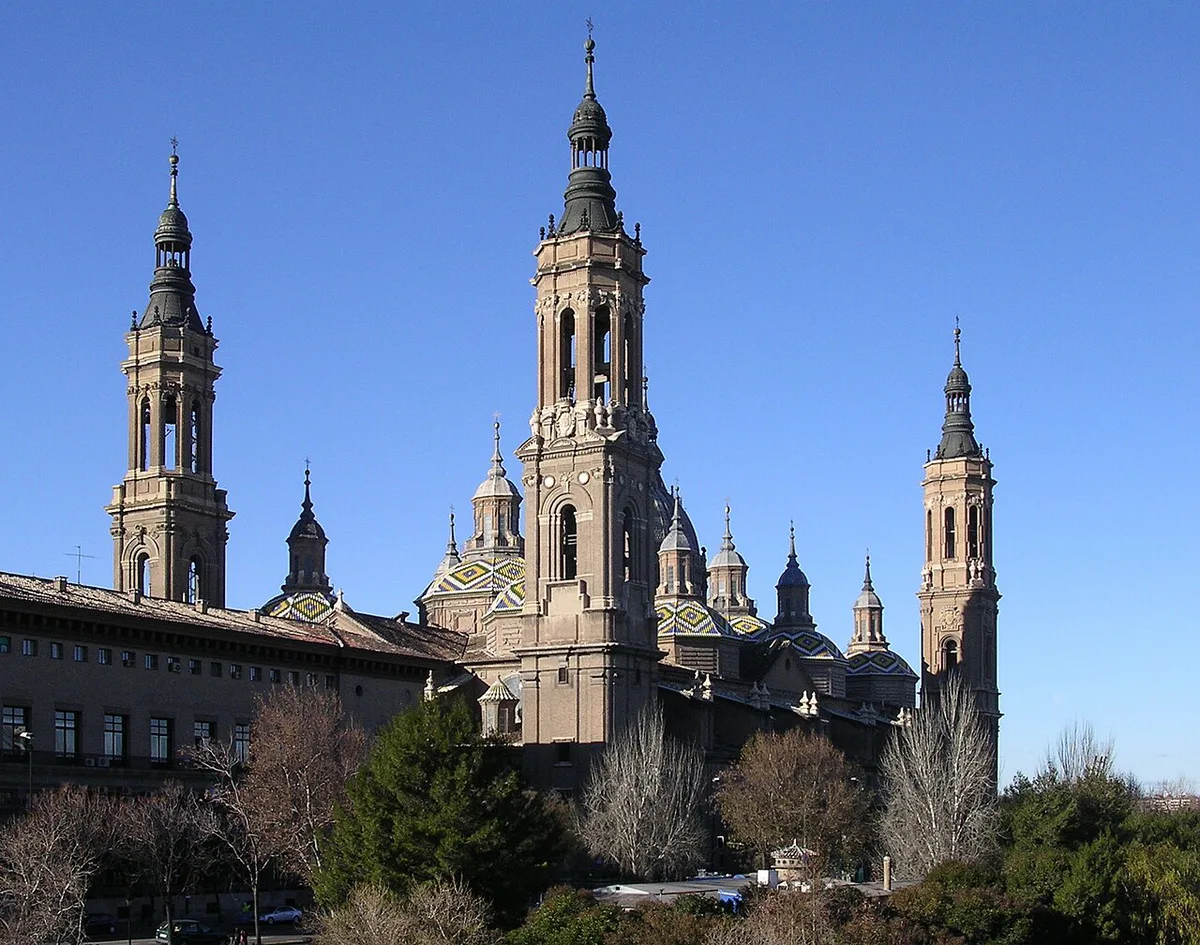
Zaragoza is the capital of Aragon, and each October the city devotes nine days to its patron, the Virgen del Pilar. Dates for 2026 run Saturday, October 10 through Sunday, October 18, with the heaviest crowds arriving for the saint's day on October 12. Wikipedia lists the festival as a Fiesta of International Tourist Interest, a designation it received in 2019. Expect closed streets around Plaza del Pilar, regional costume on the main square, and a schedule that opens with the 4:30 a.m. Solemn Mass of Infants and closes with late-night concerts. Basilica del Pilar anchors Plaza del Pilar, the square where most of the week's key events converge. Fiestas del Pilar traditionally closes with a fireworks display over the Ebro River. Spain's wider 18 Best Festivals in Spain: 2026 Calendar and Planning Guide places this week alongside the country's other major autumn festivals. Zaragoza's event runs on a different premise than Las Fallas Valencia: Complete Guide to Dates, Mascletà, and La Cremà, which centers on fire and fireworks rather than flowers. It also falls later in the year than San Fermín, so a traveler covering both needs a longer autumn itinerary through Spain.
The Big Three: Ofrenda de Flores, Ofrenda de Frutos, and the Rosario de Cristal
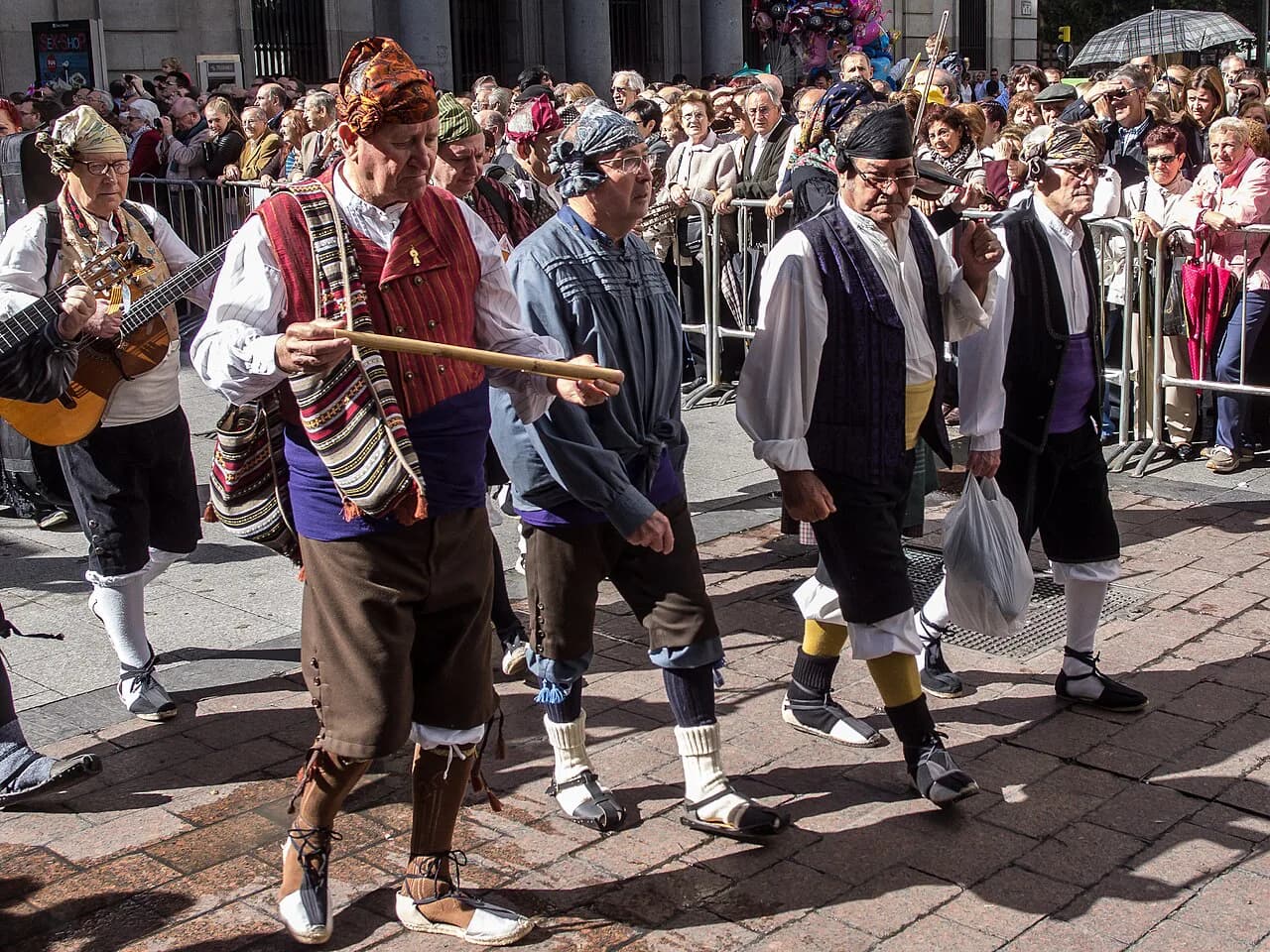
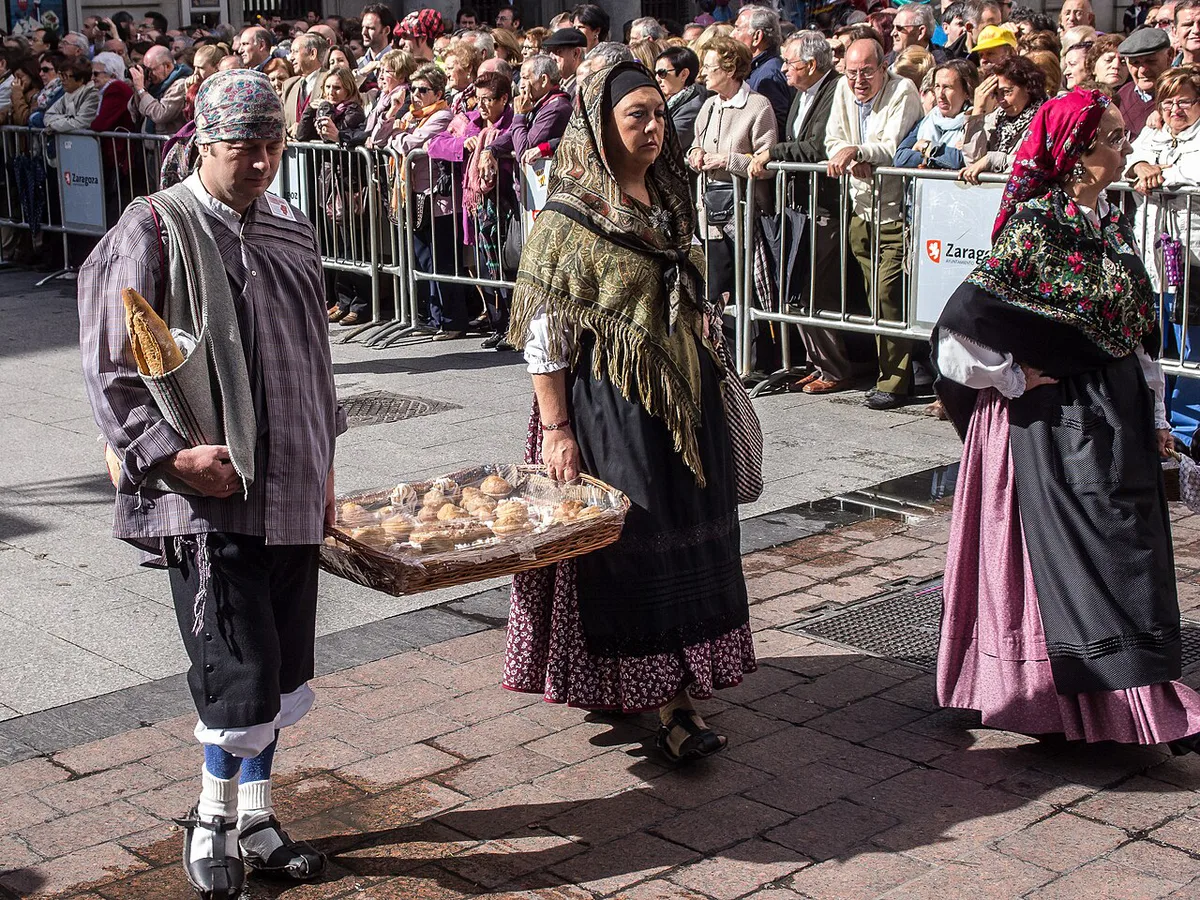
Three events anchor the religious side of the week. Ofrenda de Flores, or the Offering of Flowers, is the festival's centerpiece on October 12. Thousands of participants in regional costume walk from across the city to Plaza del Pilar. They lay flowers at the statue's base, building a flower mantle that stays up for the rest of the week. Historical accounts point to a long, well-attended tradition.
Joining as an individual means carrying flowers to the square without registering anywhere in advance. Groups typically register instead through a school, company, village association, or peña that plans its own route beforehand. Each year, the Queen of the Festival adds a red-and-white floral Cross of Lorraine to the mantle. Royo Villanova Hospital has run that tradition since 1960, on behalf of patients who cannot attend in person.
Ofrenda de Frutos follows on October 13. This shorter morning procession brings produce from across Aragon and other Spanish regions to the Virgin, a tradition dating to 1949 that actually predates the flower offering. That evening, the Rosario de Cristal sends 29 illuminated glass floats through the city center, a custom running since 1889. Roughly half the floats depict the mysteries of the rosary; the rest show other religious and cultural scenes. Its candlelit, nighttime mood contrasts with the daytime solemnity of Semana Santa in Seville.
- Walking the full route to Plaza del Pilar can take more than eight hours, per Wikipedia's account of the event.
- In 2005, 378 separate groups took part in the offering.
- Organizers reported roughly 450,000 participants in the 2009 edition, described at the time as a record turnout.
Street Culture: Gigantes y Cabezudos, the Pregón, and the Peñas
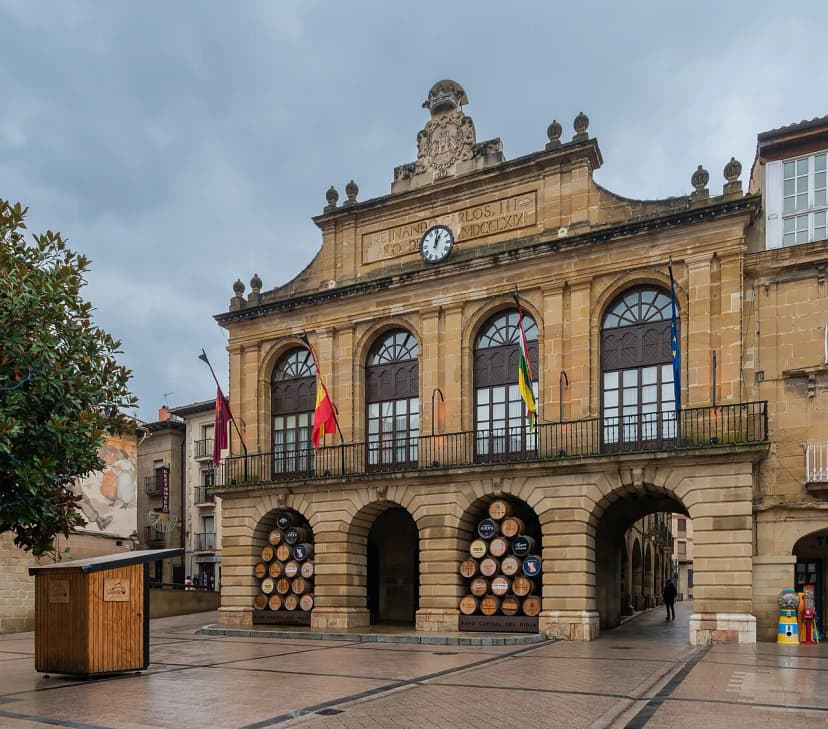
Away from the Basilica, daily traditions define the week just as much as the religious events do. Comparsa de Gigantes y Cabezudos, a parade of giant figures and oversized-head characters, runs through the city center every day of the festival. Families with young children tend to build a day around it. Pregón, the opening speech, kicks off the week from the balcony of Zaragoza's City Hall on the Saturday before October 12. A different Aragonese public figure delivers it each year, a role Wikipedia traces through decades of local writers, musicians, and athletes. Local peñas, member-run social clubs with their own clubhouses and bars, organize much of the street-level atmosphere. Expect live music, food stalls, and dancing that continues well past midnight. Their role is closer to the neighborhood associations behind La Mercè in Barcelona than to a single official program. Visitors without a peña connection can still walk into most street parties, since the energy stays public even when the clubs themselves are members-only.
Modern Entertainment: FIZ, Valdespartera, and the Feria de Muestras
Not every event during Fiestas del Pilar dates back centuries. FIZ, the Festival de Música Independiente de Zaragoza, runs ahead of the main week. Spain.info's 2026 events agenda lists it for September 26, and it draws a younger, indie-leaning crowd than the folk-costume daytime processions. Recinto Ferial at Valdespartera hosts the fairground side of the festival, including a traveling circus, funfair rides, and a beer tent modeled on Oktoberfest. It sits apart from the historic center, so plan a separate outing rather than combining it with a Plaza del Pilar morning. Feria de Muestras runs in parallel, a trade-fair exhibition of regional products, crafts, and technology stands that draws a slower-paced crowd than the parades. Free concerts on Plaza del Pilar draw the largest nightly crowds of the week. Access costs nothing, but arriving after the opening act usually means watching from well outside the square. That trade-off resembles the free outdoor stages at Carnaval de Cádiz Guide: Satire, Songs, and Street Party Tips. No ticket is required, and there is no guarantee of a clear view either.
Getting There and Around During Festival Week
Renfe's AVE high-speed trains connect Zaragoza directly to both Madrid and Barcelona, making a day trip or short overnight stay realistic without a rental car. Check Renfe's site directly for festival-week timetables and fares. October 12 is also Spain's national holiday, so trains fill up around it well before the festival crowds arrive. Inside the city, festival week reshapes the transport map in several ways.
Walking remains the most reliable way to move between the Basilica, the Recinto Ferial, and the peña-heavy streets nearby, since festival traffic can make even short bus rides unpredictable.
- Zaragoza Tram service reroutes around Plaza del Pilar during the biggest processions; check zaragoza.es's official Programa de Fiestas for the current closure map.
- Bus lines through the historic center shift stops during the Ofrenda de Flores and the Rosario de Cristal, with local operators posting detours the week before.
- Plaza del Pilar itself closes to general foot traffic once it reaches capacity on October 12, with police managing entry points.
Where to Stay and What Fiestas del Pilar Costs
Zaragoza's hotel supply is small compared with Madrid or Barcelona, and festival week absorbs most of it fast. Plan to book at least six months ahead of the October dates, since rooms near Plaza del Pilar and the train station sell out first. Rates during the nine festival days typically climb well above a standard October week in the city. Compare the same hotel's price for a non-festival October date to gauge how much of a surge to expect before booking. Staying just outside the historic core, and taking transit in for the big processions, is usually cheaper than booking inside the closure zone itself. Fiestasdelpilar.com and zaragoza.es both publish the annual Programa de Fiestas, including official event details for that year, and are worth checking before relying on a general booking site. This price jump mirrors what happens in Seville during Feria de Abril, where hotel rates near the fairground spike well beyond the rest of April.
October 12 serves dual duty as Spain's national holiday and the Virgen del Pilar's feast day, collapsing both train availability and hotel room supply months before festival dates, making early reservations critical for attendance.
Which Fiestas del Pilar Event Should You Prioritize?
With only a few days available, most travelers cannot see everything Fiestas del Pilar offers. This table compares the three signature events on date, time commitment, and crowd level. None of the three events require a ticket, so the real decision is about time and stamina rather than budget.
| Event | Date | Time Commitment | Crowd Level | Best For |
|---|---|---|---|---|
| Ofrenda de Flores | October 12 | 8+ hours for the full parade | Very high, in our editorial assessment | First-time visitors who want the signature image |
| Ofrenda de Frutos | October 13, morning | Shorter, single morning procession | High, in our editorial assessment | Repeat visitors who want the tradition with a thinner crowd |
| Rosario de Cristal | October 13, evening | One procession starting at sunset | Moderate, in our editorial assessment | Photographers and evening-atmosphere seekers |
Common Mistakes to Avoid at Fiestas del Pilar
A handful of avoidable mistakes account for most difficult Fiestas del Pilar experiences. Most of these are easy to sidestep once you know about them.
The Ofrenda de Flores demands 8+ hours' commitment with very high crowds, pushing many visitors toward peña-neighborhood streets where live music matches Plaza del Pilar's energy but with substantially more room to move.
- Arriving at Plaza del Pilar on October 12 without a plan. Access points close once the square fills to capacity, so pick an entry time and route in advance.
- Skipping the barrio-level celebrations. Peña-run neighborhood streets often have more room to move than the main square, with just as much live music.
- Underestimating the Cierzo. Zaragoza's cold, persistent wind can make an October evening feel far colder than the daytime temperature suggests. Bring a real jacket for the Rosario de Cristal or a Plaza del Pilar concert, not just a light layer.
- Treating the whole week as one single peak day. Fiestas del Pilar's nine-day spread is more forgiving than a single flashpoint event like La Tomatina 2026: The Complete Survival and Logistics Guide, where the entire event compresses into a few hours.
Beyond the Festival: Zaragoza's Aljafería Palace and Aragonese Food
Fiestas del Pilar week is also a reasonable time to see Zaragoza beyond the festival program itself. Aljafería Palace, one of Zaragoza's landmark historic buildings, sits a short distance from the historic center and keeps its own visiting hours separate from festival closures. Zaragoza is also hosting Goya: Del Museo al Palacio, an exhibition on the painter's legacy. Spain.info lists it running from December 2024 through the end of December 2026, meaning it overlaps the entire 2026 festival week. Travelers extending a Spain trip around the Pilar dates might weigh it against the more costume-driven street theater of Carnaval de Santa Cruz de Tenerife: 2026 Dates, Tickets, and Tips, a very different kind of festival built around February rather than October. Festival week is also a chance to try Aragonese specialties. Fruta de Aragón, a candied fruit confection, and migas aragonesas, a fried breadcrumb dish, both turn up on menus and stalls across the nine days.
For trip-planning details, see Ayuntamiento de Zaragoza — tourism and Turismo de Zaragoza.
Frequently Asked Questions
When are the Fiestas del Pilar in 2026?
Dates for 2026 run from Saturday, October 10 through Sunday, October 18, with the biggest crowds arriving for the Virgen del Pilar's day on October 12.
How many days do the Fiestas del Pilar last?
Zaragoza's festival runs nine days, opening with the Pregón on the Saturday before October 12 and closing the following Sunday.
Do you need a traditional costume to join the Ofrenda de Flores?
Group participants typically wear regional traje costume as part of their organized parade route. Individual visitors can carry flowers to Plaza del Pilar without registering or wearing costume, though many choose to dress up for the occasion.
What is the difference between the Ofrenda de Flores and the Ofrenda de Frutos?
Ofrenda de Flores, on October 12, is the festival's largest single-day event, an eight-hour-plus flower procession to Plaza del Pilar. Ofrenda de Frutos follows the next morning with a shorter procession centered on regional produce rather than flowers.
What is FIZ and is it part of the main festival week?
FIZ, the Festival de Música Independiente de Zaragoza, is an indie-music event that spain.info's 2026 agenda lists for September 26, ahead of the main Pilar week. It draws a different, younger crowd than the daytime religious processions.
What food is associated with the Fiestas del Pilar?
Aragonese specialties turn up across the week's food stalls and restaurants, including migas aragonesas, a fried breadcrumb dish, and fruta de Aragón, a candied fruit confection often given as a regional treat.